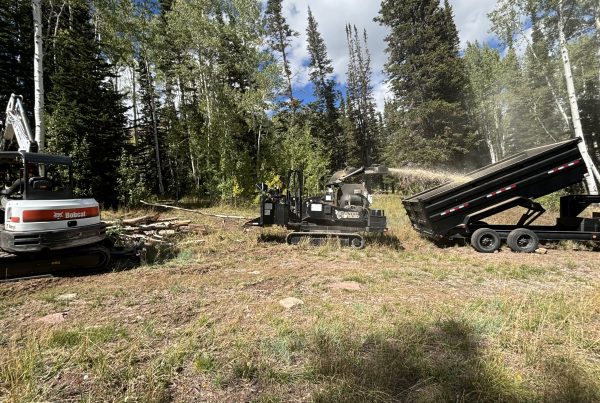
Tree service in Park City and Heber City is about much more than cutting branches. It is about keeping mountain homes, ski resort properties, access roads, and forested lots safer, healthier, cleaner, and easier to maintain through every season. In this part of Utah, homeowners deal with steep terrain, dense tree cover, winter snow load, canyon wind, summer storm damage, wildfire exposure, drainage issues, and tight work areas near homes, decks, driveways, and ski access. That is why the right plan often combines pruning, removal, stump grinding, wood chipping, storm cleanup, fire mitigation, and long-term land management. Canyon Cutters is Locally Owned & Operated in Park City, Utah, focuses on homes and property located on and near the ski resorts of Park City, serves Park City and Heber City with a complete arborist solution, and also performs forestry applications for Fire Mitigation work needed in the Wasatch and Uinta Mountains.
Table of Contents
- What Tree Service Means for Mountain Properties
- Why Proactive Tree Service Matters in Park City and Heber City
- What a Professional Tree Service Visit Should Include
- Core Tree Services Homeowners May Need
- Tree Service and Fire Mitigation
- Tree Service, Drainage, and Property Rehabilitation
- When to Call a Tree Service Company
- Why Canyon Cutters Fits This Market
- How to Choose the Right Tree Service Company
- Frequently Asked Questions
- Final Thoughts
What Tree Service Means for Mountain Properties
More Than Just Cutting Trees
When many people hear the phrase tree service, they think of one thing, removing a tree. In reality, a good tree service company helps property owners make better decisions long before removal becomes necessary. The work can include pruning trees for stronger structure, reducing weight on storm-prone limbs, removing deadwood, grinding old stumps, chipping slash, hauling debris, restoring access, thinning overgrown areas, and improving how the entire property functions. In the mountain communities around Park City and Heber City, those services often connect directly to safety, wildfire readiness, views, drainage, snow operations, and seasonal access.
That broader role matters because mountain properties rarely have simple conditions. A tree can be healthy but still be poorly positioned over a roof, too close to a driveway, crowding another specimen, shading out turf, trapping snow on a deck, scraping a home during wind events, or feeding fire into the canopy if ladder fuels are not managed. A stump may look harmless but become a mowing obstacle, a trip hazard, a place where insects thrive, or a problem for future grading and drainage work. Limbs and brush left on site can block ski trail edges, clutter a lot, hold moisture where it is not wanted, or become fuel during fire season.
That is why homeowners often benefit from working with a company that understands the whole property, not just the tree in front of them. Canyon Cutters’ service lineup reflects that broader view, with work that includes Tree Removal, Tree Pruning, Stump Grinding, Wood Chipping, Land Management, Dump Truck Hauling, Fire Mitigation, Storm Cleanup, Clearing Trails for Ski in & Ski Out, Erosion and Drainage Construction Solutions, Property Rehabilitation, and Snow Removal. For a home in the hills above town or near resort terrain, those services are not separate topics. They often overlap on the same job.
In practical terms, tree service is really about risk reduction and property improvement. It helps protect structures, improve sightlines, preserve healthy trees, remove declining ones, manage debris, and keep the landscape aligned with how the property is actually used. On some parcels that means selective pruning and annual maintenance. On others it means storm cleanup, hazard tree removal, or a phased fire mitigation plan. On others it means land clearing, erosion control, and rehabilitation after construction or neglect. A homeowner who understands tree service in that wider sense tends to make better choices and avoid emergency costs later.
Why Local Mountain Experience Matters
Tree service in a flat suburban neighborhood is one kind of work. Tree service in Park City and Heber City is another. Homes here may sit on steep slopes, in dense aspen and conifer stands, along narrow drives, or beside ski access corridors where heavy equipment placement, haul routes, and debris staging must be planned carefully. Trees may lean over retaining walls, roofs, hot tubs, guest paths, parking pads, or utility lines. Some sites offer only limited drop zones. Others require careful sequencing so that pruning, removal, chipping, and hauling can happen without tearing up the surrounding landscape.
Local experience also matters because the climate changes what trees endure. Snow load can bend and split limbs. Freeze and thaw cycles affect soils and roots. Summer storms can expose weak branch unions. High-use vacation homes may need work timed around occupancy, rentals, or guest access. Ski properties may require specialized clearing to improve movement in and out of the lot during winter. That is why a company with local mountain experience is often better positioned to recommend whether a tree should be retained, reduced, monitored, or removed.
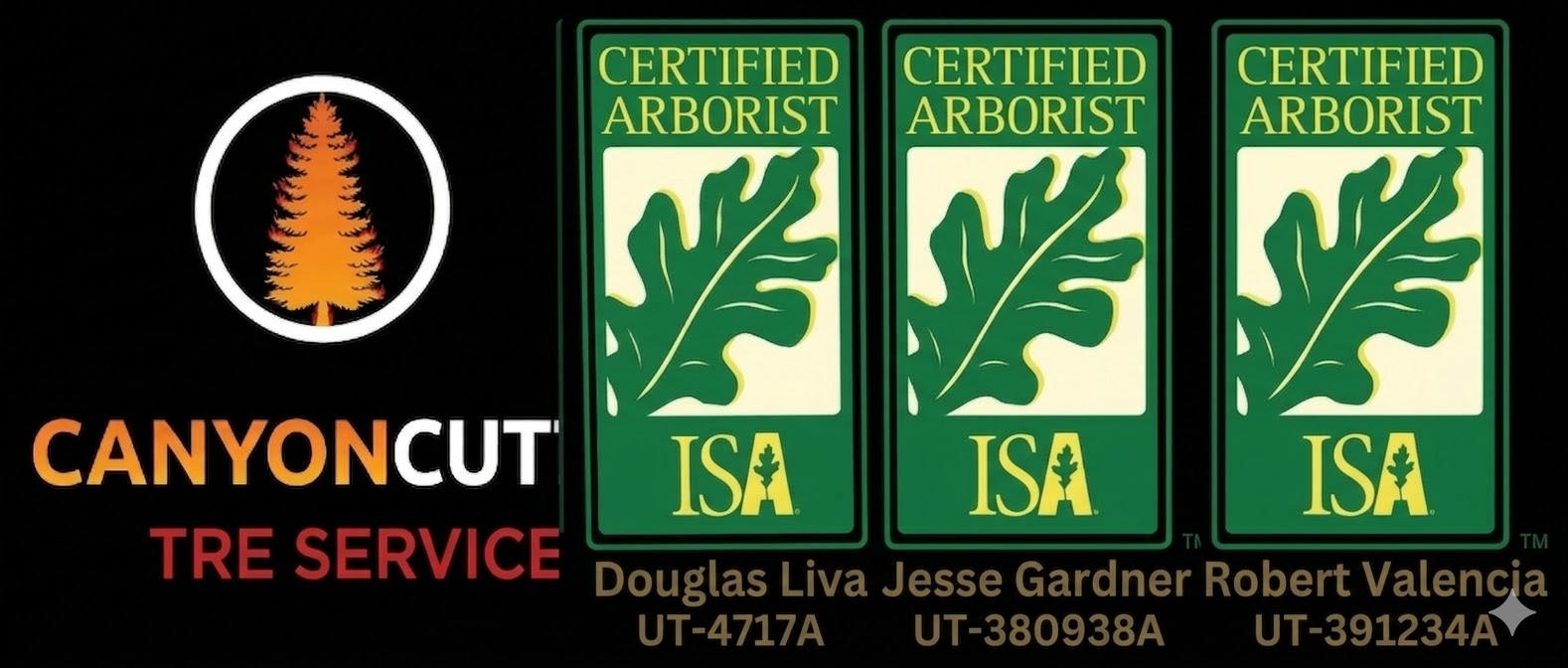
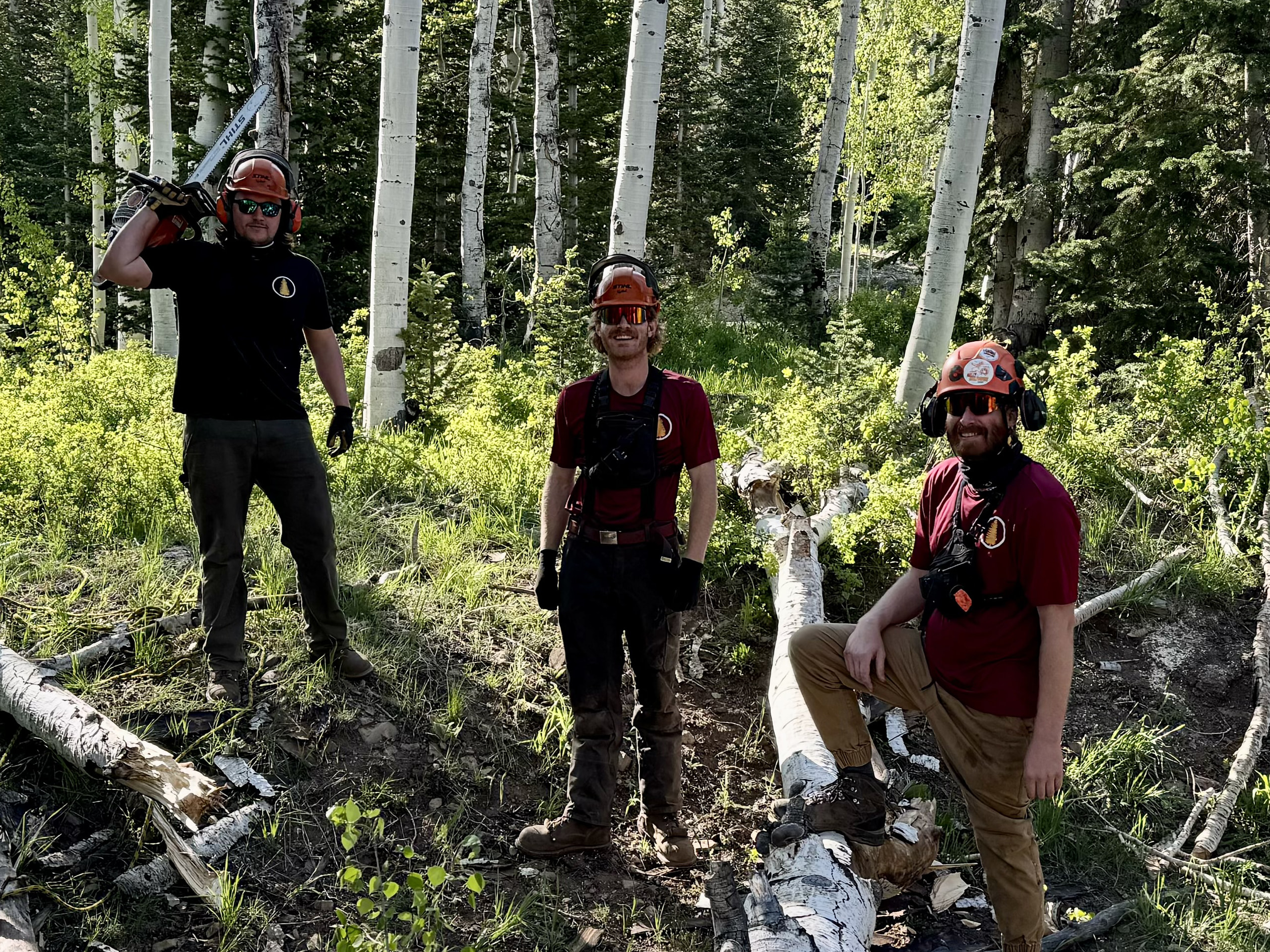
The Canyon Cutters team page shows a crew built around mountain operations, forestry work, and arborist experience, including owner Douglas Liva, listed as an ISA Certified Arborist. For homeowners, that matters because good advice starts with understanding tree biology, site limits, and work sequencing. If you are comparing companies, it is also smart to review the ISA credential directory so you understand what an arborist credential means and why it matters when work involves pruning decisions, tree risk, or preservation around valuable structures and terrain.
In short, local knowledge is not a marketing extra. It affects crew safety, property protection, and the quality of the finished result. A mountain property owner needs more than someone who can cut wood. They need someone who understands how the entire site behaves in wind, snow, drainage, wildfire season, and peak use periods. That is the kind of tree service Park City and Heber City homeowners should look for from the start.
Why Proactive Tree Service Matters in Park City and Heber City
Terrain, Weather, and Access Change the Job
Proactive tree service is valuable anywhere, but it becomes especially important when your property sits in mountain terrain. Sloped lots, retaining systems, narrow roads, and dense vegetation create a chain reaction of maintenance issues when work is delayed. A branch that might be a small nuisance in spring can become a major snow hazard in winter. A tree with a weak union may look acceptable in calm weather and then fail during a wind event. A crowded grove may hold too much moisture, limit airflow, and compete for light, weakening overall structure over time.
Resort-adjacent homes and properties near ski access add another layer. Owners often want to preserve privacy and beauty while also protecting roofs, decks, parking areas, and view corridors. They may need selective thinning instead of aggressive clearing. They may also need access routes, ski lines, or service lanes kept open. That is one reason before and after examples can be so useful. They show how tree service is not just subtraction. Often the goal is a cleaner, safer, better-balanced landscape that still looks natural and suited to the setting.
Storm exposure also matters. The International Society of Arboriculture explains in its storm-related tree damage guide that strong winds, heavy rain, and snow events can break limbs or uproot entire trees, especially when soils are soft or the canopy carries too much weight. That is why waiting until after a failure is often the most expensive way to handle tree care. Proactive pruning, removal of deadwood, and assessment of structural defects can reduce risk before weather exposes the weakness.
For many Park City and Heber City property owners, the best strategy is not one big job every few years. It is a recurring pattern of inspection, selective pruning, cleanup, and fuel reduction. That approach protects both the trees worth keeping and the structures around them. It also gives homeowners more control over timing, budget, and aesthetics than a rush response after a branch, trunk, or root failure causes damage.
Wildfire Risk and Defensible Space Are Part of Tree Service
In mountain communities where homes meet forest, tree service and fire mitigation often overlap. The Utah Division of Forestry, Fire and State Lands describes the wildland urban interface, often shortened to WUI, as the zone where structures and development meet or mix with vegetative fuels. That is highly relevant to Park City area homes, especially those tucked into wooded lots, long driveways, and neighborhoods with only limited access in and out. The same state page also stresses that primary responsibility begins at the citizen and property-owner level, which means tree and vegetation care is not optional window dressing. It is part of home protection.
Utah State University Extension notes that flammable vegetation, including many evergreen trees and shrubs, should be kept at least 30 feet away from homes, garages, and outbuildings when possible. Meanwhile, the Park City Fire District’s Plan, Prep, Go guide urges homeowners to maintain a wider defensible space zone, commonly 30 to 100 feet depending on site conditions and fuels. Those recommendations turn tree service into a practical wildfire task. Removing dead material, thinning crowded stands, lifting lower limbs, chipping slash, cleaning debris, and keeping access routes open all support defensible space goals.
That does not mean a property should be stripped bare. Good fire mitigation is selective. It preserves healthier trees, improves spacing, reduces ladder fuels, and lowers the chance that fire can move from surface vegetation into the canopy or from vegetation to the structure. For mountain homes, the best plan usually balances forest character with better survivability. That is exactly where a local provider can help, because the work often includes not only tree pruning and removal, but also Fire Mitigation and Land Management, home hardening support, forest fire safety planning, and evacuation-focused property preparation.
For readers trying to understand why tree service belongs in wildfire conversations, the answer is simple. Trees, brush, slash, spacing, branch height, and debris are all fuel variables. Managing them well helps protect the home, support firefighters, preserve access, and reduce risk to neighboring properties too. In a region like this, proactive tree service is part of responsible ownership.
What a Professional Tree Service Visit Should Include
Inspection and Risk Review
A professional tree service visit should start with an on-site review of both the vegetation and the way the property is used. That means the estimator should not just point at a tree and price a cut. They should ask what matters most to you. Is the main concern roof clearance, wildfire reduction, view improvement, snow loading, driveway access, aesthetics, privacy, rental turnover, erosion, insurance documentation after a storm, or future building plans? The answer changes the scope of work.
From there, the inspection should evaluate visible hazards and risk factors. That may include dead branches, hanging limbs, cracks, weak branch unions, trunk wounds, decay indicators, leaning stems, root disturbance, rubbing limbs, overcrowding, signs of storm damage, and how close the tree is to structures or circulation areas. The goal is not to create alarm. It is to rank what deserves attention now, what can be scheduled later, and what can likely be monitored. Good tree service protects the client from both underreacting and overreacting.
This is also where experience matters. Some trees need removal. Others only need a structural reduction, crown cleaning, or selective thinning around them. Homeowners often assume the largest or most visible tree is the biggest problem, but sometimes the real issue is a smaller stem tucked behind it, a hidden dead top, or a young tree growing too close to the foundation. An effective visit sorts that out clearly.
When you are evaluating providers, a useful sign is whether they can explain why a tree is a concern, not just that it is one. A strong estimator will walk you through the reasoning, the options, the expected result, and how the crew will protect the rest of the site during the work. That turns the visit from a quick bid into a practical planning session, which is what mountain properties usually need.
Tree Health, Structure, and Spacing
Once the immediate hazards are identified, a good tree service provider should help you think about the long-term health and structure of the stand. That includes how trees are spaced, whether multiple stems are competing too closely, how light and airflow move through the canopy, and whether a tree’s form is sound or likely to create future trouble. In many mountain landscapes, the goal is not just survival. It is to keep the strongest trees and give them room to thrive.
The timing and severity of pruning are important here. Utah State University Extension explains that pruning can be done at different times of year, but winter or early spring is often best for many landscape trees, and it also warns against removing more than roughly one-fifth to one-quarter of a tree’s leaf area in a single year. That matters because over-pruning stresses trees. The goal is improvement, not shock.
The quality of the pruning cut also matters. The TreesAreGood pruning guidance explains that mature tree pruning requires an understanding of tree biology and should be done in a way that protects long-term health. Improper cuts, random heading back, and severe topping create weak regrowth and shorten a tree’s useful life. That is one reason a homeowner should be cautious about hiring purely on the lowest number.
In properties with a lot of existing vegetation, spacing decisions can be just as important as pruning technique. Trees that are too dense may compete for water and light, reduce visibility, and increase fuel continuity during wildfire season. Proper spacing can improve appearance and function at the same time. It can also make future maintenance easier, because crews have better access and homeowners have clearer sightlines around roofs, gutters, walls, fences, and driveways.
Utilities, Drainage, and Site Planning
A professional tree service visit should also look beyond the trunk and canopy. What underground utilities are present? Where does runoff go during storms or snowmelt? Are there septic elements, irrigation lines, retaining walls, or future drainage improvements planned? Is the homeowner about to install fencing, grading, or landscape features once the tree work is finished? Those details affect how stumps are ground, where debris is staged, and what equipment can safely enter the site.
Excavation safety matters more than many homeowners realize. The official Blue Stakes of Utah 811 program says to click or call 811 before digging and asks users to notify the system at least three business days before excavation. That applies not only to major construction, but to many smaller projects where stump grinding, trenching, drainage correction, or structural landscaping may disturb the soil. A good tree service company will factor that into project planning rather than treating it as an afterthought.
Drainage and slope behavior matter too. If a tree is being removed from a steep area, what happens next? Is root loss likely to expose soil? Will surface water now move faster across bare ground? Are there areas where slash should be chipped and reused as mulch rather than hauled away? These questions are especially important when tree service is paired with land clearing, erosion and drainage solutions, or disaster cleanup.
A thorough site review saves time, reduces surprises, and helps the finished work look intentional instead of abrupt. The tree itself is important, but on a mountain property, the surrounding ground, access, and infrastructure often determine whether the result truly solves the problem or simply creates a new one.
Core Tree Services Homeowners May Need
Tree Pruning
Tree pruning is one of the most valuable services a homeowner can schedule because it often prevents bigger problems later. Good pruning can remove dead, broken, or rubbing limbs, reduce end weight on vulnerable branches, improve structure, open sightlines, and create better clearance over roofs, chimneys, decks, driveways, fences, and walkways. It can also improve airflow and sunlight in crowded groves, which benefits both the trees and the overall landscape.
Not all pruning has the same purpose. Some jobs focus on safety. Others focus on tree form. Others are driven by wildfire mitigation, view restoration, snow access, or storm preparation. That is why pruning should be tailored to the property and the species rather than done by habit. For example, a tree over a roof may need limb reduction and deadwood removal, while a tree at the edge of a driveway may need crown lifting to improve vehicle clearance. A grove near a home may need lower limbs removed and spacing improved to reduce ladder fuels.
Timing matters. As noted above, USU Extension’s pruning guidance explains that many trees respond well to pruning during dormancy, often in winter or early spring, though emergency work should be handled whenever safety requires it. Technique matters too. TreesAreGood warns against topping because it creates weak regrowth, larger wounds, and long-term structural problems. Homeowners should be cautious of any company that proposes aggressive topping as a routine fix.
If you want a closer look at how pruning fits into tree care planning, Canyon Cutters has published helpful internal resources on tree pruning techniques and service factors and on how pruning supports tree health and appearance. For Park City and Heber City homeowners, pruning is often the service that keeps valuable trees on the property longer, with fewer emergencies and better structural performance over time.
Tree Removal
Even with good maintenance, some trees need to come out. A tree may be dead, severely declining, structurally unsound, storm-damaged beyond recovery, crowding a build area, undermining access, or positioned in a way that creates more risk than value. In a mountain setting, removal may also be part of selective thinning for fire mitigation or a step in reclaiming a property that has become overgrown and difficult to use.
The decision to remove should balance safety, tree condition, and site function. Removal may be the right answer when a tree threatens a structure, overhangs a high-use area with clear defects, or is so compromised that even corrective pruning will not give an acceptable outcome. It can also make sense when several weaker trees are suppressing one or two stronger specimens that would perform better with improved spacing and light. On some lots, taking out a few poorly placed trees can improve both wildfire resilience and the visual quality of the stand.
Tree removal in Park City and Heber City can be technically demanding. Tight drop zones, snow fencing, retaining walls, guest parking, hot tubs, ski access, and steep drives all affect how the job is handled. That is why experience matters. The scope often includes not just cutting and lowering wood, but cleanup, hauling, stump grinding, and protection of the remaining landscape. When removal is connected to land improvement, it may also lead into chipping, grading, drainage work, or broader site cleanup.
Canyon Cutters has a useful local resource on what affects tree removal cost in Park City, and that framework is helpful because it reminds homeowners that price is influenced by size, site access, hazard level, cleanup scope, and whether the work is planned or urgent. In other words, removal is not a flat commodity. It is a site-specific service, and on mountain terrain the site usually drives the complexity.
Stump Grinding
After a tree is removed, the stump is often what keeps the project from truly feeling finished. A stump in the yard can limit landscaping options, interfere with mowing, create a trip hazard, attract pests, and make the property look unfinished. On build sites or heavily used home lots, it can also block grading, drainage work, new planting, fencing, or improved access routes. That is why stump grinding is one of the most practical follow-up services a homeowner can schedule.
Grinding is usually less disruptive than full root excavation because it removes the visible stump mass while leaving much of the deeper root system in place to decay over time. That makes it a useful option for many residential properties, especially when the homeowner wants to restore the surface, add mulch, re-seed, or reclaim the area for landscaping. On steep or delicate terrain, that lower level of disturbance can be a real advantage.
However, stump grinding still requires planning. Underground utilities, irrigation, shallow services, and future construction all matter. This is where that earlier Blue Stakes 811 guidance becomes important. If grinding is paired with excavation, trenching, fence installation, or drainage improvements, you want those locates handled before the work begins. That is especially true on properties where the current owner did not install the original utilities and site records may be incomplete.
If you want a deeper look at why homeowners include this service in their projects, Canyon Cutters’ stump grinding guide explains the practical benefits well. In mountain communities, stump grinding is often part of a larger cleanup sequence that also includes tree removal, brush handling, chipping, hauling, and rehabilitation of the disturbed area so the site feels clean, intentional, and ready for the next use.
Wood Chipping and Hauling
One of the most overlooked parts of tree service is what happens to the material after cutting. Limbs, brush, tops, and slash can pile up quickly, especially on fire mitigation jobs or storm cleanup calls. Without a plan, the site can remain cluttered, access can stay blocked, and the debris can become both an eyesore and a fire load. That is why wood chipping and hauling are not minor extras. They are essential parts of a finished result.
Wood chipping can solve several problems at once. It reduces volume, speeds cleanup, and can create a reusable product for erosion control, mulch, or trail surfacing in the right settings. On some properties, leaving chipped material in selected areas makes sense because it reduces disposal volume and supports the landscape. On others, hauling everything out is the better choice because the owner wants a cleaner finish, less surface fuel, or full preparation for new landscaping or construction.
Canyon Cutters highlights both of those directions in its internal resources on wood chipping in Park City and Heber City and the broader benefits of wood chipping. For a mountain homeowner, the key is to decide whether the goal is reuse, disposal, or a mix of both. A good tree service provider should help make that decision based on slope, wildfire exposure, landscaping plans, and how the property is used through the year.
Dump truck hauling is equally important when the material needs to leave the site. That is true after tree removal, storm damage, land clearing, and rehabilitation work where logs, brush, soil, or construction debris must be removed efficiently. A company that can chip, haul, and restore order in one sequence saves the homeowner time and reduces the chance that a job drags out with piles left behind. That is a major reason the Canyon Cutters service mix makes sense for this market. The company’s work is built around full property function, not just cutting and leaving.
Storm Cleanup and Emergency Tree Care
Storm cleanup is where tree service becomes urgent. A branch on a roof, a tree across a drive, a split trunk near a deck, or debris scattered across a ski property can quickly turn into a safety and access problem. Emergency tree care is not the time for guesswork. Damaged trees often hold hidden tension and can fail again while someone is trying to inspect them. That is one reason the ISA storm-damage material emphasizes professional handling for severely damaged trees and debris situations.
The first step after a storm is to protect people. Stay clear of hanging limbs, cracked trunks, uprooted root plates, and any tree that may be involved with utility lines. Document the damage. Then bring in a provider who can assess what must be removed immediately, what can be pruned and preserved, and what debris handling or access work should happen next. In many cases, storm work is not just about cutting the fallen tree. It also involves making the site safe for other trades, insurance documentation, drainage recovery, and preventing additional failures nearby.
Canyon Cutters has several local resources that show how storm cleanup fits the Park City and Heber City environment, including guides on storm debris removal near ski resort properties, storm damage contractor services, and emergency tree care in Park City. Those topics are especially relevant in mountain neighborhoods where snow load, wind, and steep access routes can turn a moderate weather event into a difficult cleanup job.
For homeowners, the lesson is simple. Emergency tree service is easiest when the company already understands mountain work, cleanup sequencing, and what needs to happen after the immediate hazard is removed. Quick access, professional assessment, debris management, and site stabilization all matter. The faster a site is made safe and usable again, the easier the rest of the recovery becomes.
Tree Service and Fire Mitigation
How Tree Work Reduces Fire Risk
In the Wasatch and Uinta mountain environments, tree service is one of the most practical ways to reduce fire risk around a home. Fire mitigation is not only about reacting to active fire danger. It is about changing fuel conditions before a problem starts. That can include removing dead standing trees, thinning overstocked pockets, reducing ladder fuels, pruning lower limbs, cleaning up deadfall, chipping slash, hauling fuel off site, and keeping road and driveway access more open for evacuation and emergency response.
Good mitigation is selective and strategic. The goal is not to erase the forested character of the property. It is to interrupt fuel continuity and improve the space around the structure so a fire has fewer easy paths to travel. The Utah DNR wildfire preparedness page makes clear that homes in the WUI face challenges such as long and steep driveways, limited access, inadequate spacing, and poor evacuation planning. Those are exactly the conditions where thoughtful tree and brush work can make a difference.
USU Extension’s wildfire landscaping guidance adds an important landscaping point, especially for homeowners who value privacy screening. Dense evergreen plantings close to structures may look attractive, but they can also create high-intensity fuel right where you do not want it. Selective pruning and re-spacing can preserve the beauty of the property while reducing the chance that flames or radiant heat move directly into the structure zone.
That is why Canyon Cutters’ local mix of fire mitigation and land management, forest fire safety guidance, and wildfire preparation content is so relevant for Park City and Heber City homeowners. Tree service in this region should not be isolated from wildfire planning. It should support it.
WUI Planning for Park City Homes
For property owners in and around Park City, it is also worth understanding how tree service can connect to local code and project planning. The official Park City Wildland Urban Interface Code page explains that the city adopted an amended version of the State of Utah’s WUI code and that compliance applies to new construction, additions, and remodels above certain thresholds, with landscape and home-hardening plans reviewed during permit plan review. That matters because tree service may be part of the preparation for a remodel, expansion, or new build, especially on wooded lots.
In plain language, homeowners should think of tree service as part of project readiness. If you are planning a major home update, access improvement, drainage correction, or slope work, your vegetation plan should not be left until the end. Tree retention, removal, thinning, stump work, and defensible space often shape what is possible with the rest of the site. Addressing them early can make permitting, design, and construction cleaner and more efficient.
This is also where Canyon Cutters’ broader service range matters. A company that can move from tree pruning and removal into hauling, clearing, fire mitigation, and erosion or drainage solutions is easier to coordinate with when the property is changing in several ways at once. On a mountain lot, that kind of sequencing is often the difference between a controlled improvement project and a messy one.
For homeowners who are not building but still want better fire readiness, the same principle applies. You do not need a full redevelopment plan to benefit from selective fuel reduction, cleanup, and better access. Even small annual improvements can make the property easier to maintain and more defensible over time. In a local market where homes often sit close to vegetation and terrain limits emergency access, that is one of the strongest arguments for ongoing tree service.
Tree Service, Drainage, and Property Rehabilitation
Roots, Runoff, and Slope Stability
Tree service is often discussed in terms of canopies and trunks, but roots and ground conditions matter just as much on mountain properties. The USDA Forest Service brochure on water quality and trees explains that roots and plant litter improve soil structure, increase infiltration, reduce surface runoff, and help bind soil particles so slopes are more stable. For Park City and Heber City homeowners, that is a useful reminder that healthy vegetation can support slope function, while poorly planned clearing can expose soil and create new problems.
This does not mean every tree must stay. It means removal and clearing should be intentional. On some sites, targeted thinning improves overall stand health and still leaves enough root structure and vegetation to support the slope. On others, the removal of dead trees, hazard trees, or fuel-heavy brush is necessary, but should be paired with a plan for mulch placement, drainage flow, access shaping, or re-vegetation. Tree service becomes more effective when it is connected to how water and soil behave on the property.
That connection is especially important after storm damage, land clearing, or repeated equipment use. Bare areas can start to rut, wash, or channel water in ways that threaten driveways, walls, and lower landscape zones. If the original tree service provider understands that risk, the cleanup phase can be shaped to support the next step instead of leaving the homeowner with a separate problem to solve later. That is why Canyon Cutters’ mix of tree work, hauling, erosion and drainage construction solutions, and property rehabilitation is so practical for this market.
After Clearing Comes Rehabilitation
Property rehabilitation is the part many people forget to plan for. They focus on getting the tree or debris off the lot, then realize the site still feels rough, raw, or incomplete. There may be ruts, slash remnants, bare patches, blocked drainage paths, leftover chips in the wrong places, disturbed slope edges, or gaps in how the property now looks and functions. Rehabilitation is what turns tree service from a cutting job into a finished improvement.
On some properties, rehabilitation may mean smoothing disturbed areas, reusing chips where they help, reopening access paths, reshaping drainage, or cleaning up long-neglected zones that were previously hidden by overgrowth. On others, it may mean preparing the lot for future landscaping, seasonal use, or resale. This is particularly relevant around second homes, rental properties, and resort-adjacent homes where appearance matters almost as much as function. Owners want the place to feel clean and intentional, not recently disturbed.
Rehabilitation also supports wildfire and storm readiness. A site that has been selectively thinned but left cluttered with slash, trip hazards, and blocked routes is not really done. A site that has been cleaned, chipped, opened, and stabilized is in much better condition for the next storm, the next snow season, or the next round of maintenance. That is why land clear planning and disaster cleanup recovery are part of the same conversation as tree service in this region.
A property is not improved just because a tree is gone. It is improved when the whole site works better after the work than it did before. That is the standard homeowners should look for.
When to Call a Tree Service Company
Warning Signs You Should Not Ignore
Some tree problems are obvious, and some are not. Homeowners should consider calling a tree service provider when they notice dead branches over occupied areas, fresh cracks in major limbs or the trunk, a tree leaning more than it used to, visible root disturbance, soil lifting near the base, bark loss, repeated branch shedding, a canopy that is suddenly sparse on one side, or storm damage that leaves limbs hanging in the crown. A tree touching a roof, scraping siding, or crowding a chimney is also worth reviewing before damage happens.
Spacing and clutter are important warning signs too. If the lot feels dark, overgrown, difficult to walk, or full of brush and low limbs near the home, tree service may be overdue even if no single tree looks dramatic. The same is true when snow removal is harder because vegetation crowds the drive or when access for guests, renters, or service crews is becoming awkward. These are not just aesthetic issues. They are functional issues, and they tend to get worse over time.
Another sign is repeated cleanup with no long-term improvement. If every windstorm drops the same kind of material, if gutters constantly fill from a few overhanging limbs, or if you keep cutting back brush yourself and it never seems manageable, it may be time for a more strategic plan. A well-scoped tree service visit can sort the property into what should be pruned, what should be removed, what should be chipped, and what can simply be monitored.
Emergency conditions, of course, should not wait. After any storm event that puts a tree on a structure, blocks access, or leaves suspended limbs or cracked leaders overhead, the right move is to keep clear and bring in a qualified crew. Emergency tree care is one of the areas where the cost of delay can rise quickly, both in safety terms and in secondary property damage.
A Seasonal Checklist for Mountain Homeowners
For most homes in Park City and Heber City, it helps to think about tree service seasonally. In late winter or early spring, before the growing season is underway, many homeowners review structural pruning needs, roof clearance, deadwood, and anything that winter weather exposed. This can also be a good time to plan larger non-emergency projects before the busiest summer and wildfire months arrive.
In late spring and summer, attention often shifts toward wildfire preparation, thinning, brush reduction, chipping, stump work, and lot cleanup. This is also when many owners start noticing where access, views, airflow, and spacing need improvement. For resort homes, it can be smart to schedule work around occupancy patterns so the property is in better condition before peak summer use and before the dry season deepens.
In fall, homeowners often focus on storm readiness and winter prep. That can include removing hazard limbs, cleaning debris, improving driveway clearance, and making sure the landscape is not setting up a snow-season access problem. It is also a strong time to address overlooked deadwood and backlog cleanup before the next round of storms and snow loading.
After major weather events at any time of year, the question changes from routine maintenance to safety and recovery. At that point, the priority is not cosmetic perfection. It is clearing hazards, reopening access, protecting structures, and deciding what can be preserved. Canyon Cutters’ internal resources on storm debris cleanup and emergency tree care are especially useful in that situation because they show how local conditions change the response.
The main point is that tree service works best when it is tied to the calendar, the terrain, and the use of the property. Waiting until something fails is rarely the smoothest option for mountain homeowners.
Why Canyon Cutters Fits This Market
Services That Match Local Needs
Canyon Cutters stands out in this market because the company’s services are closely aligned with what Park City and Heber City property owners actually deal with. The business focuses on homes and property located on and near the ski resorts of Park City, offers a complete arborist solution for residents of Park City and Heber City, and also specializes in forestry applications for Fire Mitigation work in the Wasatch and Uinta Mountains. That combination matters because the needs of local homeowners often cross several categories at once.
A property may need pruning and wildfire work at the same time. Another may need removal, stump grinding, hauling, and rehabilitation. A ski-access property may need selective tree work plus trail clearing. A storm-damaged lot may need emergency debris cleanup, hazard removal, chipping, and restoration of access. Instead of forcing the homeowner to piece together several contractors for closely related outdoor problems, Canyon Cutters’ model is built around connected services.
The company’s published service areas and content also show a good understanding of the region’s real conditions. There is information on tree removal, pruning, stump grinding, wood chipping, fire mitigation, land clearing, storm recovery, and more. That breadth is a strong fit for homeowners who do not have one isolated problem, but a group of related property care issues.
It also helps that the company is rooted locally. Mountain properties demand local understanding, and Canyon Cutters emphasizes that it is Locally Owned & Operated in Park City, Utah. For homeowners, that is meaningful because local crews tend to understand the terrain, the weather patterns, the wildfire context, and the expectations of clients who want work done cleanly on high-value residential properties.
What the Process Should Feel Like
From a homeowner’s point of view, the right tree service experience should feel organized, clear, and property-aware. The conversation should begin with your goals, move into a practical site review, and end with a scope that explains what will happen, why it is being recommended, what cleanup is included, and how the result should improve the property. That is especially important in Park City and Heber City, where many properties are second homes, high-value residences, or rental homes with maintenance schedules tied to occupancy and season.
The process should also feel respectful of the setting. On mountain properties, owners want skilled work without unnecessary damage to the surrounding landscape. They want the site cleaned, not left half-finished. They want the retained trees to make sense after the work, and they want the crew to recognize that access, views, wildfire goals, drainage, and snow operations may all matter at the same time. Tree service is not just a technical task here. It is part of how the property lives and performs.
If you are looking for a provider that aligns with that expectation, the best next step is often to start with the company’s contact page, review its services, and browse the gallery and before and after work. Those pages help homeowners see whether the company’s style and service mix fit the kind of property they own. In the case of Canyon Cutters, the answer is often yes for homeowners who want a local team that understands both arborist work and the larger property management issues that come with mountain living.
How to Choose the Right Tree Service Company
Questions to Ask Before Hiring
Choosing a tree service company should not come down to price alone. The lowest number can become expensive if the work is over-aggressive, incomplete, unsafe, or careless with the surrounding landscape. Instead, homeowners should look for a provider that can clearly explain the problem, recommend a scope that fits the property, and show evidence of real experience with similar terrain and project types.
A few practical questions help. Is the company experienced with mountain properties and difficult access? Can it explain why pruning is preferable to removal in some cases, and why removal is necessary in others? Does it include cleanup, chipping, and hauling in a clear way? Can it handle related work like fire mitigation, stump grinding, or drainage concerns if needed? Does it understand WUI issues and the realities of forested lots near Park City ski properties? Can it show examples of past work on similar sites?
Credentials and safety matter too. The ISA arborist resource is useful for understanding professional arborist credentials, and reputable providers should be comfortable discussing training, supervision, and work methods. For work that involves digging or site disturbance, it is also a good sign when the provider raises the issue of utility locates and follows the Utah 811 process where appropriate.
Homeowners should also judge how well the provider sees the whole property. A strong tree service company will notice access, drainage, fire load, snow implications, and how retained trees will look and function after the work is done. In a place like Park City or Heber City, that broader awareness often separates a basic cutting crew from a true property partner. Canyon Cutters is a strong example of the second category because its work is built around arborist service, mountain operations, and connected land-management solutions rather than one-off cutting alone.
Frequently Asked Questions
How often should a homeowner schedule tree service in Park City or Heber City?
There is no single schedule for every property, but many mountain homeowners benefit from at least an annual review, with additional visits after major storms or before peak wildfire season. Properties with dense tree cover, steep drives, ski access, or homes tucked tightly into the forest often need more frequent pruning, cleanup, and fuel-reduction work than open lots.
What is the difference between tree pruning and tree trimming?
In everyday use, people often mean the same thing. In practice, pruning usually suggests more selective, purpose-driven cuts made for structure, health, clearance, or risk reduction. A good tree service company should explain the objective of the cuts, not just the amount being removed. On mountain properties, that objective may be snow-load reduction, wildfire spacing, roof clearance, or better stand health.
Is tree removal always the best answer for a risky-looking tree?
No. Some trees can be improved with selective pruning, reduction, deadwood removal, or monitoring. Others truly do need removal because of structural defects, decline, storm damage, or poor location near structures and access areas. The best choice depends on the tree, the site, and the level of risk. That is why an on-site assessment matters.
Do I need stump grinding after tree removal?
Not always, but many homeowners choose it because stumps create trip hazards, block future landscaping, interfere with mowing, and make a property feel unfinished. If the area will be used for drainage work, re-seeding, planting, fencing, or general yard recovery, stump grinding is often the cleaner long-term option.
Why does wildfire mitigation get discussed in a tree service blog?
Because in wooded mountain neighborhoods, tree service and wildfire preparedness are closely connected. Thinning, deadwood removal, limb raising, slash cleanup, and brush reduction all affect how fire can move across the property and toward the home. For Park City and Heber City homeowners, tree work is often one of the most practical fire-readiness steps they can take.
Should I call 811 before stump grinding or drainage-related work?
If the project involves digging, excavation, trenching, or other soil disturbance, calling or clicking 811 is the safe move. The official Blue Stakes of Utah process exists to help prevent damage to underground utilities. For projects that combine tree service with grading, drainage correction, or fence installation, utility locates are especially important.
Can wood chips stay on site after tree work?
Yes, in many cases. Chips can be reused as mulch or for light erosion-control support in the right places. However, not every property should keep every chip pile. Some owners prefer full haul-off for appearance, reduced surface fuel, or construction preparation. A good provider will help decide what makes the most sense for your site.
What makes tree service near Park City ski resorts different?
Work near ski resorts often involves steeper terrain, tighter access, higher property values, snow-season considerations, and a stronger need to balance safety with natural aesthetics. It may also include trail clearing, view management, guest access concerns, and work timing around occupancy. Those conditions make local mountain experience especially important.
Final Thoughts
Tree service is one of the most important parts of caring for a mountain property in Park City and Heber City. Done well, it protects structures, preserves strong trees, removes dangerous ones, improves access, supports wildfire readiness, and helps the entire landscape function better through snow, wind, storm, and dry-season risk. Done poorly, it can create new hazards, damage valuable trees, and leave the site looking stripped or unfinished.
That is why homeowners should think beyond one tree and look at the full property. Pruning, removal, stump grinding, wood chipping, hauling, storm cleanup, fire mitigation, drainage solutions, trail clearing, and rehabilitation are all part of the same larger goal: keeping the land safe, usable, and beautiful in a challenging mountain setting. Canyon Cutters is built for that kind of work, with a local focus on Park City ski-resort properties, full arborist solutions for Park City and Heber City, and forestry applications for the Wasatch and Uinta Mountains. If your property needs a smarter plan for tree care, cleanup, or fire-focused land management, start with the company’s contact page and build the work around the way your property is actually used.