Wildland fire safety tips matter in Park City, Utah because mountain homes, dense vegetation, steep slopes, dry periods, and fast-moving winds can turn a small spark or ember shower into a serious property threat. For homeowners in Park City and Heber City, especially those living on and near the ski resorts of Park City, the best protection starts long before smoke is visible. It starts with smart vegetation management, safer home conditions, a practiced evacuation plan, and year-round maintenance that reduces fuel close to structures.

Canyon Cutters is locally owned and operated in Park City, Utah, and the company puts a primary focus on homes and property located on and near the ski resorts of Park City. Canyon Cutters offers a complete arborist solution for residents of Park City and Heber City, Utah, and also specializes in forestry applications for fire mitigation work needed in the Wasatch and Uinta Mountains. That local experience matters when you need practical wildfire preparation for steep access, tree-heavy lots, ski-in and ski-out properties, second homes, and mountain landscapes that require more than a one-size-fits-all checklist.

Table of Contents

Why wildland fire safety matters in Park City and Heber City

Wildland-urban interface risk in mountain communities

In mountain communities, houses often sit close to trees, brush, grasses, sheds, fences, retaining areas, decks, and access roads that connect homes to surrounding forest. That setting is beautiful, but it also places many properties in the wildland-urban interface, where built structures and flammable vegetation meet. The Utah Division of Forestry, Fire and State Lands explains wildfire community preparedness as a shared responsibility, and that message fits Park City well. A mountain neighborhood does not become safer because one homeowner trims a few branches. It becomes safer when each property owner reduces the chance that fire will move from vegetation to structure, or from structure to structure.

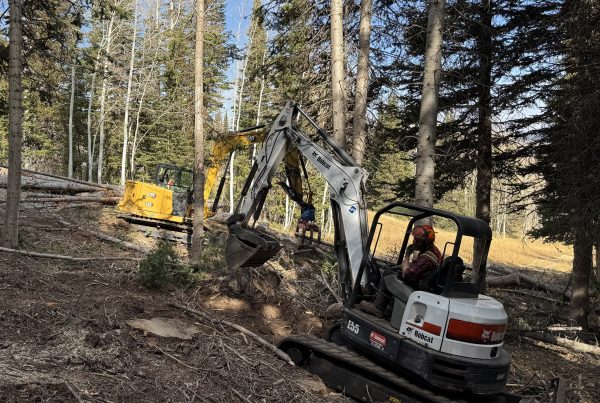
For Park City and Heber City residents, this is not only about remote forest cabins. It also applies to year-round homes, vacation homes, HOA properties, private roads, and homes near resort corridors. Canyon winds, summer dryness, slope-driven fire behavior, and concentrated vegetation around scenic lots can all increase exposure. Canyon Cutters sees these conditions regularly while providing tree pruning, tree removal, land management, fire mitigation, wood chipping, dump truck hauling, stump grinding, and storm cleanup services for mountain properties.

Why local terrain changes the plan

Wildfire preparation in flat suburban terrain is not identical to wildfire preparation in the Wasatch Back. Slopes can accelerate fire movement. Long driveways can delay access. Tight roads near resort homes can complicate evacuation and emergency response. Tree density can vary sharply from one side of a lot to the other. Snow damage and storm damage can leave behind broken limbs and dead material that later become fuel in summer.

This is why local property work matters. A generic checklist may tell you to clear brush, but it does not tell you how to handle steep grades, mature conifers near roofs, screened porches that trap debris, ski access corridors, or narrow staging areas where piles of cut material become their own hazard. Canyon Cutters’ local approach, including fire mitigation and land management services in Park City, is built around real mountain conditions instead of broad advice that ignores terrain.

Even local public guidance reflects the same principle. A Park City emergency preparedness flyer urges residents to create a 30 to 100 foot safety zone around the home, maintain spacing and healthy vegetation, use fire-resistant materials, and keep leaves and debris away from structures. Park City’s wildfire safety guidance is simple, but the work behind it is detailed. Every branch, debris pile, gutter, under-deck space, propane clearance, and access point matters.

Return to Table of Contents

How homes ignite during a wildland fire

Embers, radiant heat, and direct flame

Many homeowners picture wildfire damage as a wall of flame reaching the house. That can happen, but it is not the only threat. The NFPA’s wildfire preparation guidance and related home ignition zone resources put major emphasis on ember exposure. Embers can travel far ahead of the main fire and land in gutters, roof valleys, decks, vents, dry mulch, fence lines, or piles of leaves. Once a small ignition starts, the house itself can become fuel.

That is why wildland fire safety tips should not stop at “clear the brush.” The true goal is to interrupt every likely ignition path. You want fewer places where embers can land, smolder, and grow. You want fewer connected fuels that allow flames to run from grasses to shrubs, from shrubs to tree limbs, from limbs to siding, and from siding to the attic or deck framing.

Radiant heat is another problem. Even if flames do not directly touch the house, nearby burning vegetation, wood piles, fencing, or neighboring structures can produce enough heat to crack glass or ignite combustible surfaces. Direct flame contact is the third major pathway, and it often becomes possible when vegetation is too close, ladder fuels are left in place, or combustible items are stored tight against the home.

The home ignition zone

The home ignition zone is one of the most useful ways to think about wildfire protection because it turns a large fear into a manageable work plan. According to the NFPA’s explanation of the home ignition zone, the immediate zone closest to the home should function as a noncombustible area. The same wildfire mitigation framework also explains that the surrounding 100 feet should be treated to reduce combustibles, and that distances may need to increase on steep terrain.

In practical terms, this means your wildfire work should move outward in rings. Start at the structure itself. Then focus on the first few feet around it. Then move into the mid-zone where plant spacing, ladder fuel reduction, and deck exposure matter. After that, continue into the outer zone where thinning, deadwood removal, and better access can slow fire spread and support response.

This ring-based strategy is especially helpful for Park City property owners because it organizes work around priorities. If you cannot do everything at once, you still know what to do first. Clean the roof and gutters. Remove combustible materials at the base of the house. Deal with overhanging limbs. Thin dense patches. Chip or haul slash instead of stacking it beside the driveway. Make the house harder to ignite and the lot less likely to carry fire to it.

For a local service view of how these concepts translate to on-the-ground work, Canyon Cutters’ home hardening guide for Park City and Heber City homes connects the home ignition zone to routine arborist and land management tasks that are already familiar to mountain homeowners.

Return to Table of Contents

Build defensible space that actually works

0 to 5 feet from the home

The first 0 to 5 feet matter more than many homeowners realize. This is where the highest-priority ignition opportunities often sit. The NFPA immediate zone guidance treats this area as a noncombustible zone. That means leaves, pine needles, mulch against the siding, wood chips touching the foundation, decorative combustibles, stacked firewood, stored lumber, dry planters, and debris under stairs should all get special attention.

Start with the roofline and gutters because they catch embers and debris. Then look down at the base of the walls. If shrubs, grasses, or bark mulch run right up to the siding, that is an issue. Replace or interrupt combustible materials with gravel, stone, pavers, or other noncombustible surfaces where practical. Do not forget corners, window wells, under-deck edges, and the backsides of attached structures where debris quietly accumulates.

This zone should also stay clean. A well-designed 0 to 5 foot zone is not something you do once and forget. Wind can refill it. Spring cleanup and fall cleanup both matter. After a storm, it matters again. If your lot is heavily wooded or your home sits under conifers, maintenance frequency often needs to increase.

5 to 30 feet from the home

The next zone is where landscaping can start to look green and attractive while still being fire-aware. Think lean, clean, and well-spaced. Trees and shrubs should not form continuous fuel ladders. Lower limbs may need pruning. Dense shrubs directly under tree canopies can create a vertical path for fire. Grass should be maintained. Dead material should be removed.

This area often includes decks, patios, fences, walkways, propane clearances, outdoor furniture, and decorative planting beds. If shrubs are touching the deck or crowding windows, create more separation. If ornamental grasses dry out seasonally, treat them as fuel. If branch tips are reaching the roof or hanging over chimneys, address them. These are not cosmetic issues. They are ignition pathways.

Park City’s wildfire safety guidance specifically calls for healthy, spaced-apart vegetation within the first 30 feet of the home and for tree branches to be kept well away from roofs and stovepipes. That local Park City guidance reinforces what wildfire professionals repeat across the West: spacing and maintenance near the house are critical.

30 to 100 feet and beyond

Beyond the immediate home area, the goal shifts from strict noncombustible treatment to vegetation management that reduces fire intensity and spread. You do not necessarily need bare ground. You do need better spacing, less dead and down material, fewer ladder fuels, and more thoughtful separation between tree crowns where site conditions call for it.

The Utah Wildfire Risk Assessment is useful for understanding broader hazard exposure, but property-level decisions still matter. On a wooded lot, this outer zone can include selective thinning, removal of dead or declining trees, pruning lower limbs, clearing slash, and improving the edges of driveways or access routes so they are less likely to carry flames and more usable for movement during an emergency.

In some mountain settings, steep slopes or terrain below the home can require more extensive treatment because fire tends to run uphill faster. The key is not to memorize one universal number and stop there. It is to evaluate the site honestly. Where is the heaviest fuel? What sits below the home? What could funnel wind? What debris builds up along the road edge? What is likely to ignite first? Those are the questions that shape real defensible space.

For homeowners who want help translating defensible space ideas into property work, Canyon Cutters’ local resources on forest fire safety tips for Utah properties and fire mitigation services in Park City can help bridge the gap between general guidance and local execution.

Return to Table of Contents

Reduce fuels with consistent property work

Tree and brush management

Fuel reduction is the daily language of fire mitigation, but for most homeowners it simply means reducing the amount, arrangement, and continuity of material that can burn. Fine fuels such as dry grasses and needles ignite quickly. Brush can carry flames laterally. Small trees and lower branches can act as ladder fuels that move fire upward into crowns.

That is why pruning, thinning, deadwood removal, and brush reduction matter so much on wooded lots. Not every tree needs to come down. In fact, wildfire work is usually more selective than people expect. Healthy forest structure often benefits from thoughtful spacing rather than blanket removal. The goal is to reduce hazard while preserving the character and function of the property.

This is where professional judgment matters. A tree close to the house may need limb reduction, not removal. A dense patch farther downslope may need thinning. A row of volunteer growth under mature trees may need to go entirely. A broken tree left after winter may look harmless in spring but become one of the driest fuels on the lot by summer. Canyon Cutters’ experience with tree removal for Park City mountain properties and land management work fits exactly these kinds of decisions.

Wood chipping, hauling, and cleanup

Cutting vegetation is only half the job. What you do with the material afterward matters just as much. Piles of slash, branches, old logs, and dead brush can remain a hazard if they are left in the wrong place. One of the most practical wildland fire safety tips for mountain properties is to finish the cleanup, not just the cutting.

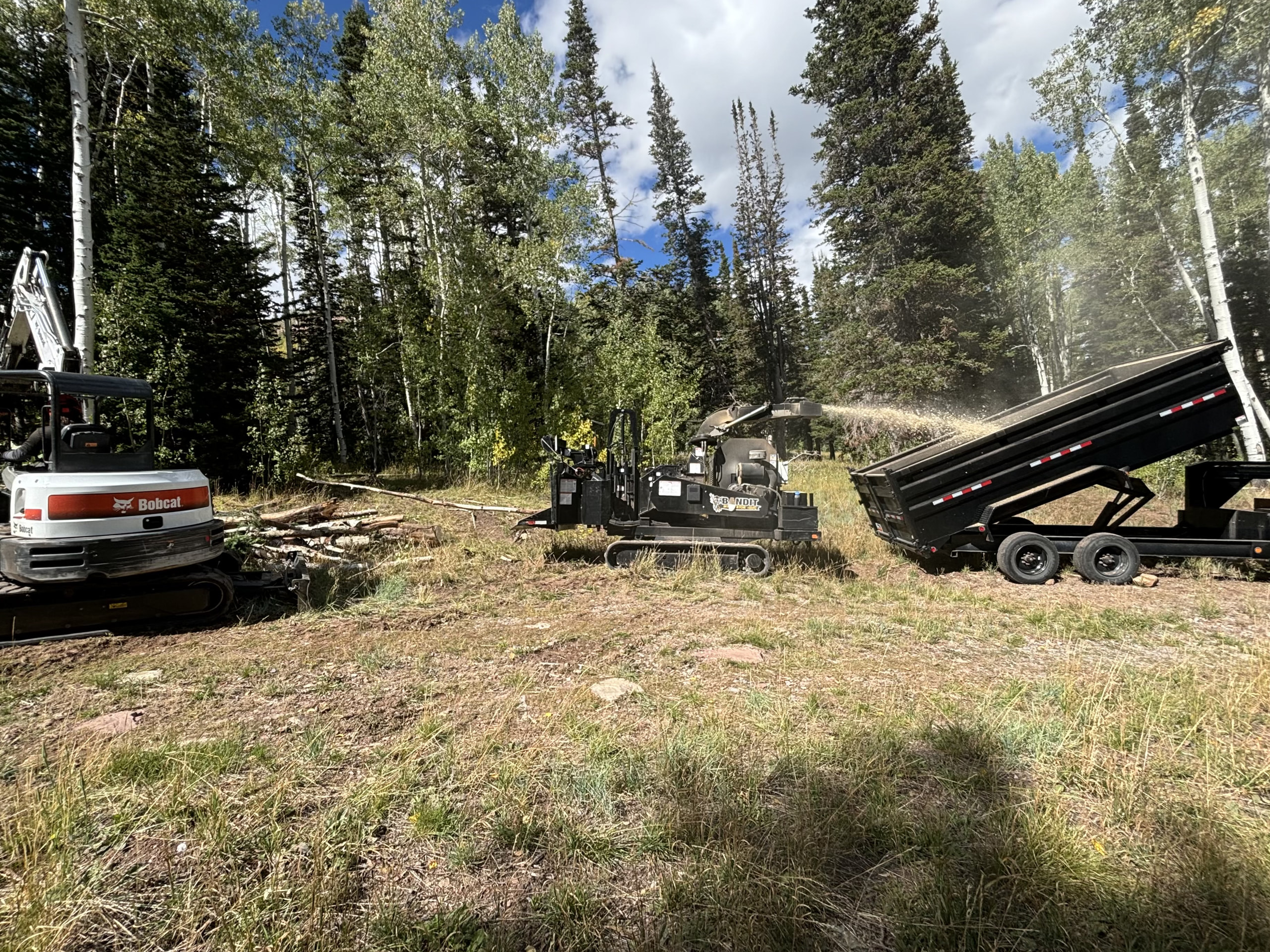
Wood chipping is often a smart option because it turns loose woody material into something easier to manage and remove or reuse appropriately. Canyon Cutters’ wood chipping overview explains how chipping helps deal with branches and woody debris more efficiently. The important caution for wildfire planning is placement. Chipped material should not be piled directly against structures or allowed to become a thick, continuous combustible layer in the most critical zones.

Hauling is equally important. A property can look cleaner after thinning, but still hold a large fuel problem if piles remain stacked near the driveway, under trees, or beside an outbuilding. Dump truck hauling and debris removal solve that part of the problem. When Canyon Cutters handles vegetation work, homeowners can pair cutting with wood chipping, dump truck hauling, and debris removal services so the lot ends in a safer condition instead of a temporary one.

Yard waste also builds up faster than many owners expect on seasonal or second homes. Pine needles, limbs, cones, and storm debris accumulate quietly. Canyon Cutters’ guides to yard junk removal and yard waste removal services in Park City are useful reminders that regular cleanup is part of fire readiness, not a separate chore.

Stumps, trails, and access routes

Wildfire preparation is also about access. Can residents leave safely? Can emergency vehicles or crews move in if needed? Can a long driveway or private lane function without overhanging branches, blind corners, or heavy brush pressing into the route? These questions matter on homes tucked into tree cover and especially on properties with private ski access routes or narrow mountain drives.

Clearing trails for ski-in and ski-out access can overlap with wildfire work when that same corridor also improves defensible space, sightlines, or movement across the property. Similarly, stump grinding may not seem like a fire topic at first, but it can improve surface conditions, reduce obstructions during cleanup, and support safer rehabilitation after tree removal. Canyon Cutters includes stump grinding, trail clearing, and property rehabilitation as part of a broader mountain property solution.

If your lot has post-storm obstructions, leaning trees, or blocked travel routes, address them before fire season. Canyon Cutters’ local storm cleanup resource can help homeowners think through what cleanup should look like when safety, access, and longer-term property recovery all matter at once.

Return to Table of Contents

Harden the home against ember intrusion

Roof, gutters, vents, and eaves

Vegetation work lowers risk, but the house itself still needs attention. Embers do not care whether your lot was recently thinned if they can enter a vent or ignite dry debris packed in a roof valley. According to the NFPA Community Wildfire Mitigation Pocket Guide, low-cost recommendations include routinely removing debris from roofs and gutters, screening vents and openings with fine metal mesh, and keeping combustible materials away from vulnerable structure edges.

Begin at the top. Roofs should stay clear of leaves, needles, and branch litter. Gutters should be cleaned regularly because they can collect dry fuel that ignites from embers. Overhanging limbs should be pruned back where appropriate. Eaves and soffits deserve inspection because gaps and openings can let embers enter enclosed spaces.

Vents are another common issue. If embers can blow into attic, crawlspace, or under-eave openings, the structure becomes much harder to defend. Fine metal mesh screening and ember-resistant vent upgrades can reduce this exposure. Homeowners should also look at roof-to-wall intersections, flashing, and areas where debris repeatedly gathers after wind events.

Canyon Cutters does not replace roofing materials, but its role in wildfire preparation often starts one step earlier by making the surrounding conditions safer through home hardening support work such as pruning, thinning, chipping, drainage solutions, and vegetation reduction. The structure and the landscape should be treated as one system.

Windows, decks, siding, and fences

Decks are major ember traps. Leaves and needles blow underneath them. Combustible furniture often sits on top of them. Shrubs may grow around them. Firewood sometimes gets stored beneath them. The NFPA mitigation guide specifically points homeowners toward removing vegetation and debris from decks, avoiding storage of combustible materials underneath, and enclosing or upgrading vulnerable deck areas where practical.

Fences are often overlooked, yet they can form a direct flame path to the home if a combustible fence touches combustible siding. Dry fencing tied into a structure can behave like a fuse. Homeowners should inspect where fences meet the house and consider whether that connection creates a hazard. The same logic applies to lattice, decorative screening, and attached pergolas.

Windows also matter. Large windows facing vegetation or adjacent structures can become more vulnerable under radiant heat. While not every homeowner will replace windows immediately, it is still worth knowing which sides of the house face the highest exposure and which landscaping choices increase or decrease that risk.

If a property has extensive wood features and forest exposure, a staged approach works well. Start by removing nearby fuels, clearing under-deck debris, trimming vegetation back from siding and windows, and dealing with fence-to-home connections. Then build toward larger upgrades as budget allows. Wildfire safety improves most when small recurring hazards are removed consistently.

Outbuildings, propane, and utilities

Garages, sheds, detached cabins, pump houses, and utility areas should be part of your wildfire plan. If the main house is treated but an outbuilding remains surrounded by dead brush or stacked materials, that separate ignition can still threaten the rest of the property. Apply the same logic to these smaller structures. Clear debris, improve spacing, reduce surrounding fuels, and keep access open.

Propane tanks and utility areas need special care. Local public guidance in Park City specifically tells residents to maintain a clear area around propane tanks and grills and to keep flammable material away from structures. Park City’s wildfire safety recommendations are a useful reminder that wildfire preparation includes common utility setups, not only trees and brush.

Generators, vehicles, and outdoor equipment should also be positioned thoughtfully. During fire season, do not assume a metal object is harmless if vegetation around it is dry, access is poor, or ember accumulation is possible. The best wildfire plans are specific. They account for every place where fire could start, spread, or complicate response.

Return to Table of Contents

Create a wildfire evacuation plan before you need it

Local alerts and information sources

One of the most important wildland fire safety tips is also one of the most ignored: leave planning is not something to do once smoke is in the canyon. The Ready.gov wildfire page urges households to learn evacuation routes, practice with family and pets, and identify where they will go. The U.S. Fire Administration’s wildfire evacuation materials also stress that evacuation planning should happen before a wildfire occurs and should include a communication plan and supply kits.

Locally, homeowners should monitor and use trusted information channels. The Summit County Emergency Management page is a key local resource because it highlights the county’s seasonal risk from wildfires and points residents toward preparedness resources. For fire prevention, burn information, and local guidance, the Summit County Fire Warden page is also useful.

Homeowners should know what local alert systems they rely on, how they will receive messages if cellular service is spotty, and which family members need special arrangements. If your household includes children, seniors, mobility limitations, pets, or out-of-town owners, your plan should be written down and easy to activate.

Go bags, documents, vehicles, and pets

A good evacuation plan is simple enough to use under stress. Vehicles should not be buried behind storage or blocked by trailers or equipment. Keys should be easy to grab. Important documents should be digitized and also stored in a way that supports quick departure. Medications, chargers, pet supplies, and clothing should be easy to collect without a last-minute scramble.

The USFA wildfire evacuation checklist recommends signing up for alerts, knowing primary and alternate routes, making sure your designated contact knows your plan, prepacking emergency supply kits, parking vehicles facing the direction of escape, and keeping fuel tanks at least half full. Those are practical steps, not abstract advice, and they fit mountain communities particularly well.

Pets require their own plan. Carriers, leashes, food, medication, waste supplies, and vaccination records should be ready. If you have horses or larger animals, transportation must be arranged before it is needed. The same is true for anyone in the home who will need extra help getting out quickly.

For Park City and Heber City homeowners, Canyon Cutters’ wildfire emergency kit checklist and local wildfire evacuation plan guide can help translate national guidance into the day-to-day reality of mountain properties.

Second homes, guests, and rental properties

Park City has many second homes and guest-occupied properties. That creates a special wildfire planning challenge. The person who notices a warning may not be the owner. Guests may not know the road network, local alert systems, or how to leave quickly from a wooded lot at night or in heavy smoke. Property managers may be handling multiple locations at once.

If you own a second home or short-term rental, the evacuation plan should be visible, short, and usable by someone with zero local knowledge. Include the property address, nearest major roads, at least two exit options when available, utility shutoff guidance if appropriate, emergency contacts, pet instructions, and what to do if evacuation orders come while the owner is off-site.

Do not assume guests will figure it out. If the lot has a steep drive, gates, detached garages, unusual parking arrangements, or wildlife-related restrictions that affect travel, explain them clearly. Also make sure the property is maintained consistently. A well-written evacuation sheet cannot compensate for blocked driveways, overgrown access, deadfall near structures, or excessive fuel near the house.

Return to Table of Contents

Daily and seasonal wildland fire safety habits

Red Flag Warnings and burn awareness

Wildfire safety is not only about major projects. It is also about what you do on high-risk days. The National Weather Service explains Fire Weather Watches and Red Flag Warnings as alerts for critical fire weather conditions. A Red Flag Warning means dangerous conditions are ongoing or expected shortly, and extra caution with anything that can create flame or spark is essential.

That should influence behavior immediately. Delay activities that could create ignition. Avoid outdoor burning. Reconsider equipment use in dry grass. Pay attention to changing local restrictions. In Summit County, open burning rules and permit windows are not optional details. The Summit County Fire Warden provides current burn permit information and reminds residents to plan ahead and comply with local requirements.

It also helps to think seasonally. Spring cleanup matters because winter damage often leaves behind new fuel. Summer matters because drying conditions intensify. Fall matters because needles, leaves, and debris can accumulate in vulnerable spots before winter storms bury them. Wildfire readiness is easier and less expensive when it is spread across the year instead of delayed until the hottest part of the season.

Recreation, vehicles, and equipment safety

Human activity causes many wildfires, which means ordinary behavior matters. Recreation, yard work, vehicle use, chainsaws, mowers, trailers, welding, and improper ash disposal can all create problems under the wrong conditions. Utah’s public wildfire messaging through Utah Fire Sense exists for exactly this reason: wildfire prevention is as much about daily decisions as it is about firefighting.

If you are mowing or using cutting equipment, avoid the hottest and driest periods when possible and be alert to where sparks could land. If you are driving or towing, remember that roadside ignitions can start from dragging chains, mechanical issues, or hot equipment in dry vegetation. If you are using grills, smokers, or fire features, maintain clearance and never leave them unattended in high-risk conditions.

Ashes deserve special attention. Local Park City fire guidance tells residents to place stove, fireplace, or grill ashes in a metal bucket and soak them in water before disposal. That Park City recommendation is simple and important. Many preventable fires begin with routine actions that did not feel risky at the time.

On larger properties, routine maintenance also includes road edges, culvert approaches, and places where vehicles or contractors work. If access routes are lined with dry brush, you are increasing risk and making evacuation or response harder. This is one reason Canyon Cutters’ services such as land management, trail clearing, erosion and drainage work, and property rehabilitation fit naturally into wildfire planning.

Return to Table of Contents

What to do after a nearby wildfire or evacuation

Returning home safely

When a fire passes or an evacuation is lifted, do not rush to assume the danger is over. The U.S. Fire Administration’s evacuation guidance tells residents to wait for official direction before returning home, bring fresh water and supplies, and seek help if anyone is injured or unwell. That is a good baseline for every household.

Once you are back, move carefully. Watch for downed lines, unstable trees, loose branches, ash pits, damaged decks, hot spots, compromised railings, and weakened outbuildings. Smoke residue and falling debris may affect both safety and air quality. If you smell gas or see structural damage, stop and contact the appropriate utility or emergency resource.

Even if the home survived, the lot may not be in stable condition. Trees exposed to heat can fail later. Ground cover may be damaged. Erosion risk can rise if vegetation was removed or burned. Access routes may be littered with debris. That is why post-fire assessment should include the landscape, not only the building envelope.

Post-fire property recovery

Recovery work often overlaps with storm recovery. Dead limbs need removal. Fallen material needs hauling. Damaged trees need assessment. Access roads need reopening. Drainage needs review, especially where disturbed soil and steep grades can worsen runoff problems later. This is where a contractor with mountain property experience becomes especially valuable.

Canyon Cutters’ service mix is built for this type of follow-up. In addition to wildfire-oriented property work, the company also handles storm cleanup, property rehabilitation, tree removal, stump grinding, wood chipping, dump truck hauling, and erosion and drainage construction solutions. For a Park City or Heber City homeowner, that matters because recovery is rarely just one task.

Use the recovery period to improve the property, not only restore it. If a fire or near miss reveals where fuels were too close, where access was poor, or where gutters constantly trap debris, make those corrections part of the next plan. Near misses are valuable if they lead to better long-term preparation.

Return to Table of Contents

How Canyon Cutters helps mountain properties prepare

Wildland fire safety tips are most useful when they turn into work that actually gets done. That is where Canyon Cutters fits. The company is locally owned and operated in Park City, Utah, with a primary focus on homes and property located on and near the ski resorts of Park City. Canyon Cutters offers a complete arborist solution for residents of Park City and Heber City, Utah, and specializes in forestry applications for fire mitigation work needed in the Wasatch and Uinta Mountains.

That local positioning is not marketing filler. It directly affects the kind of help mountain property owners need. A steep lot may need selective tree removal, pruning, brush reduction, chipping, hauling, and drainage support. A wooded drive may need clearance and safer sightlines. A second home may need recurring yard waste removal and seasonal fire readiness maintenance. A storm-damaged property may need hazard tree work followed by cleanup and rehabilitation.

Canyon Cutters’ service lineup supports that real-world workflow. Homeowners can explore the company’s main site, review the full services page, learn more about fire mitigation and land management, see project context in the gallery and before and after page, and request help through the contact page.

If your property needs wildfire-focused help, the relevant services often include wood chipping, land management, tree removal, dump truck hauling, fire mitigation, tree pruning, stump grinding, clearing trails for ski-in and ski-out access, erosion and drainage construction solutions, storm cleanup, and property rehabilitation. That integrated approach is exactly what many Park City and Heber City properties need because wildfire readiness is rarely solved by a single isolated task.

Return to Table of Contents

FAQs

What are the most important wildland fire safety tips for homeowners in Park City?

Start with the basics that reduce ignition risk fastest: keep the roof and gutters clean, create a noncombustible zone closest to the house, remove dead vegetation and ladder fuels, improve spacing between plants and trees near the home, and build a real evacuation plan. Then keep the work going through regular cleanup, pruning, and fuel reduction.

How much defensible space should I have around my mountain home?

Many public wildfire resources use a 100 foot framework around the structure, with the most intensive work closest to the house and more selective treatment farther out. However, terrain, slope, vegetation type, and structure arrangement matter. On mountain properties, the right answer is often site-specific rather than one fixed number everywhere.

Can I do wildfire mitigation without removing every tree on my property?

Yes. Effective mitigation usually focuses on selective thinning, pruning lower branches, removing dead and high-risk material, breaking up fuel continuity, and reducing vegetation close to structures. The goal is safer spacing and fewer ignition pathways, not a barren lot.

Why is wood chipping useful for wildfire preparation?

Wood chipping helps process branches and woody debris so it can be handled more safely and efficiently. It reduces loose slash piles and supports cleanup. The key is to place and manage chips wisely so they do not become a heavy combustible layer right next to structures.

What should I do during a Red Flag Warning?

Take the warning seriously. Avoid activities that can cause sparks or flames, monitor trusted local alerts, review your evacuation plan, keep vehicles ready, and stay aware of changing conditions. On high-risk days, small mistakes can have fast consequences.

How should second-home owners prepare for wildfire risk in Park City?

Second-home owners should prioritize recurring maintenance, remote access to documents and contacts, visible guest instructions, reliable local alerts, and a property manager or local contact who can act quickly. Properties that sit empty for long stretches often accumulate more debris and can fall behind on preventive work.

Does storm cleanup help with wildfire safety too?

Yes. Storm cleanup often removes broken limbs, fallen trees, dead material, and blocked access routes that can become wildfire hazards later. On wooded mountain properties, post-storm cleanup is often part of fire mitigation, not a separate issue.

When should I call Canyon Cutters for fire mitigation work?

Call before the lot feels urgent. The best time is when you can still plan work in phases, prioritize high-risk zones, and combine services like tree pruning, thinning, wood chipping, hauling, and access improvement. Canyon Cutters can also help after storms or when a property needs broader rehabilitation.

Return to Table of Contents

Final thoughts

Wildland fire safety tips are most effective when they become a property routine, not a one-time project. In Park City and Heber City, that means thinking like a mountain homeowner. Clear what ignites first. Protect the structure itself. Improve spacing and access. Maintain the lot through the seasons. Prepare to leave early, not late. And treat wildfire readiness as part of responsible property ownership, especially on homes and land near the ski resorts of Park City and in the forests of the Wasatch and Uinta Mountains.

If you want help turning these priorities into on-the-ground work, Canyon Cutters provides a locally grounded solution for mountain properties. You can start with the services page, explore wildfire-related resources such as the home hardening guide, the evacuation plan guide, and the wildfire emergency kit checklist, then reach out through the contact page to discuss your property.

Return to Table of Contents

Leave a Reply

casibom girişmarsbahis girişjojobet girişJojobetJojobet GirişHoliganbet GirişHoliganbet GirişHoliganbet Giriş