Wildfire safety tips are no longer optional for Park City and Heber City homeowners who live in the wildland urban interface and along the Wasatch and Uinta Mountains. If your mountain home, cabin, or ski town property sits near forested slopes or ski runs, this guide will help you understand wildfire safety Utah priorities, apply Utah wildfire safety tips for mountain properties, strengthen wildfire home protection, and work with local experts like Canyon Cutters so that your family, guests, and investment are safer each fire season.
Table of Contents
- Why Wildfire Safety Matters in Park City, Heber City, and Utah Mountain Towns
- Understanding Wildfire Risk and the Wildland Urban Interface
- Defensible Space and Firewise Landscaping Around Your Home
- Home Hardening, Ember Resistant Construction, and Deck Safety
- Evacuation Planning and Your Ready Set Go Wildfire Plan
- Working with Canyon Cutters for Fire Mitigation and Land Management
- Wildfire Safety Strategies for Different Property Types
- Community Preparedness, HOAs, and Wildland Urban Interface Fire Safety
- Frequently Asked Questions
Why Wildfire Safety Matters in Park City, Heber City, and Utah Mountain Towns
When you picture Park City or Heber City, you probably imagine snowy ski runs, aspen groves, and cool summer evenings. Yet those same beautiful forests and steep hillsides can turn into dangerous fuel during a dry, windy fire season. That is why wildfire safety tips are crucial for every homeowner, whether you live here year round, manage a vacation rental, or own a second home you visit a few times a year.
Across the West, hotter summers and longer fire seasons have increased the need for wildfire safety and wildfire prevention tips that go beyond basic common sense. In Utah, wildfire preparedness focuses on both steps inside your home and changes to the landscape outside. Utah wildfire safety tips emphasize clearing fuels, hardening structures, and having a solid wildfire evacuation plan that your whole household understands.
Because Park City wildfire safety and Heber City wildfire safety involve mountain terrain, ski lifts, dense stands of conifers, and tight private roads, the region has unique challenges. Mountain home fire safety blends forest fire safety tips with winter needs like snow removal, slope stability, and erosion control. Residents often need professional help with fuel reduction around homes, ladder fuel reduction, forest thinning and fire mitigation, and brush clearing for wildfire safety, which is where a local specialist like Canyon Cutters comes in.
Homes near Deer Valley, Park City Mountain, Canyons Village, and the broader Wasatch Back are part of a larger wildland urban interface, which makes ski town wildfire safety a shared responsibility. You cannot fully control what happens on distant public land, but you can take powerful steps to improve wildfire risk reduction on your own property and support wildfire community preparedness Utah wide.
Understanding Wildfire Risk and the Wildland Urban Interface
To use wildfire safety tips effectively, you first need to understand the environment you live in. The wildland urban interface is where homes, roads, and other structures meet or intermingle with forests, grasslands, or brush. In Utah, wildland urban interface fire safety has become a central topic because more families choose to live in scenic mountain towns and commute or work remotely.
Research shows that a large share of new homes across the United States have been built in wildland urban interface areas, increasing exposure to wildfire. Utah wildfire preparedness efforts focus on these zones because embers can travel far ahead of a fire front. Even if you think a major blaze is miles away, burning embers can land in wood chips, dry shrubs, or old decking and start spot fires that threaten your home.
For Park City homeowners, Utah wildfire safety tips for mountain properties usually start with a local wildfire risk assessment. A professional arborist crew can look at tree spacing, slope, access routes, ladder fuels, and structures. That assessment helps prioritize projects such as mountain property fire mitigation, wildfire mitigation services Park City wide, and ski in ski out trail clearing for fire safety around runs and access trails.
Because Canyon Cutters is locally owned and operated in Park City, Utah, the team understands how wind can funnel through canyons and over ridgelines. They focus on homes and property located on and near the ski resorts of Park City, where wildfire safety Utah concerns overlap with winter storm impacts, steep terrain, and limited access. That local knowledge matters when planning whether to remove hazardous trees, chip debris, or schedule dump truck hauling to reduce fuels.
Families interested in wildfire safety tips for families living in Utah mountain towns should also stay informed about Utah wildfire alerts and warnings from official channels. When you combine early alerts with practical wildfire preparedness at home, you give your property and your loved ones a better chance in any fire year.
Defensible Space and Firewise Landscaping Around Your Home
One of the most effective wildfire safety tips for Park City homeowners is to create and maintain defensible space. Defensible space is the intentionally managed area around your home where vegetation and structures are arranged to slow or stop fire spread and give firefighters a safer place to work. When you apply defensible space tips correctly, you dramatically improve wildfire home protection.
What is Defensible Space?
Defensible space zones are usually broken into several bands that start at the home and move outward. In Utah, defensible space Utah guidelines often encourage a lean, clean, and green zone close to the structure, followed by more open, thinned vegetation farther out. These defensible space zones help keep flames on the ground instead of letting them climb into tree crowns.
For Utah homeowners, defensible space landscaping blends function and aesthetics. You can still have beautiful native shrubs, trees, and groundcovers, but you place and maintain them in a way that supports forest fire safety tips and wildfire risk reduction. When professionals perform mountain property fire mitigation, they often start by clearing dead material, spacing trees, and reducing ladder fuels that allow flames to move from grass to shrubs and into crowns.
Landscaping for Wildfire Safety in Utah
Thoughtful planting and maintenance are a key part of firewise landscaping. Firewise landscaping focuses on plant choice, spacing, and upkeep so your yard resists ignition and slows fire spread. In firewise communities, neighbors work together to apply similar standards, creating wider protection beyond a single parcel.
For local conditions, ask a professional about fire resistant plants Utah residents can use near their homes, and choose fire resistant ground cover instead of thick bark mulch right next to structures. Combined with ongoing fuel reduction around homes, these choices support both wildfire prevention tips and long term wildfire safety.
Homeowners who want defensible space wildfire safety tips for Utah homeowners can work through their yard in layers. Start with an immediate zone that is free of dry needles and flammable clutter, then move out to open up trees and shrubs. Brush clearing for wildfire safety, ladder fuel reduction, and forest thinning and fire mitigation in outer areas work together to protect your home and your neighbors.
How Canyon Cutters Helps with Defensible Space
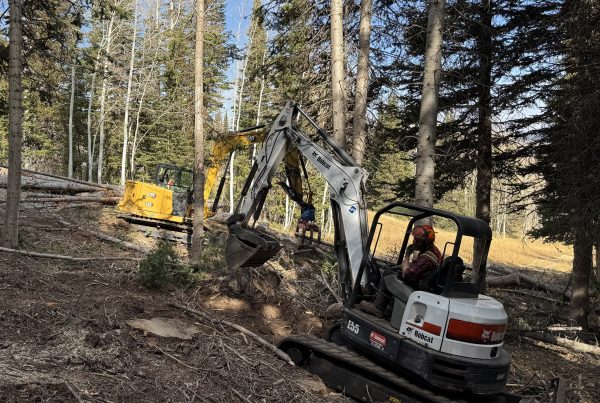
Canyon Cutters offers a complete arborist solution for residents of Park City and Heber City, Utah, which makes it easy to act on these wildfire safety tips. The team handles tree removal, tree pruning for fire mitigation, stump grinding, wood chipping, and land management that all contribute to a healthier, safer landscape. Their crews also perform storm cleanup and property rehabilitation after high wind events, which keeps combustible debris from accumulating.
On many mountain properties, the work of creating defensible space includes hauling away logs, limbs, and chips. Canyon Cutters uses dump truck hauling to move large volumes of material quickly off site. For properties near ski runs, clearing trails for ski in and ski out access can be coordinated with ski in ski out trail clearing for fire safety so that ski corridors do not become fire corridors in summer.
If your home has drainage swales or hillside retaining walls, erosion and drainage construction solutions can be coordinated with fire mitigation. Good water management supports slope stability and can make it easier to maintain open, accessible defensible space landscaping that fits your long term property plan.
Learn more about Canyon Cutters fire mitigation and land management services in Park City to see how professional crews can tailor defensible space Utah strategies to your lot size, slope, and vegetation.
Home Hardening, Ember Resistant Construction, and Deck Safety
Even the best defensible space will not work if embers can easily ignite your roof, vents, or deck. Home hardening for wildfire focuses on the structure itself. The goal is to use building materials and details that resist ignition and block embers that ride the wind during a fire.
Ember Resistant Construction Basics
Ember resistant construction starts at the roof and works downward. Upgrading old, untreated wood shingles to a Class A fire rated roof, screening vents, and sealing gaps are some of the most powerful wildfire safety tips to protect your home. When you build or remodel, talk with your contractor about ember resistant construction details such as covered eaves, boxed in soffits, and screened gable vents.
Homeowners working through homeowner wildfire safety tips Park City and Heber City wide should also look at fences, sheds, and attached structures. Wood fences that touch the house, combustible doormats, and cluttered corners can all become weak points. A thoughtful wildfire risk assessment will call out these vulnerabilities so you can address them.
Decks, Patios, and Roof Details
Many Utah mountain homes feature expansive decks, hot tubs, and beautiful outdoor living areas. That makes wildfire safety tips to protect decks and patios especially important. Remove leaves and needles from the gaps between deck boards, avoid storing firewood under decks, and replace highly combustible materials where possible. Noncombustible surfaces, tidy storage, and frequent sweeping go a long way.
If your house has an older wood shake roof, consider a phased plan to upgrade, starting with wildfire safety tips for homes with wood shake roofs. In the meantime, keep the roof clean and free of debris, and trim overhanging branches through careful tree pruning for fire mitigation to limit ember buildup and direct flame contact.
Homes Near Trails, Forests, and National Forest Land
Many properties in the Wasatch Mountains and Uinta Mountains back up to trail systems or public lands. In these locations, wildfire safety tips for homes near forest trails and wildfire safety tips for properties bordering national forest land are especially relevant. You may not control what grows on the far side of your fence, but you can manage the first several feet on your side and choose materials that resist ignition.
If you can see a trail from your deck, chances are that hikers, bikers, or skiers pass near your property in summer and winter. Combining wildfire safety tips for homes in the Wasatch Mountains and wildfire safety tips for homes in the Uinta Mountains with good signage and clear access helps firefighters reach your home quickly in an emergency.
Evacuation Planning and Your Ready Set Go Wildfire Plan
Wildfire preparedness is not only about trees and roofs. Your household needs a written plan for what to do when fire threatens. A ready set go wildfire plan gives everyone clear steps to follow at each stage of an incident so there is less confusion in the moment.
Building a Ready Set Go Plan
A well thought out ready set go wildfire plan follows a simple three step structure. In the Ready stage, you create defensible space, harden your home, and assemble supplies. In the Set stage, you monitor Utah wildfire alerts and warnings, pack vehicles, and decide where you will go. In the Go stage, you follow evacuation instructions promptly and stay away until officials say it is safe to return.
Your wildfire evacuation plan should include at least two driving routes from your property, particularly if you live up a narrow canyon or cul de sac. This planning is crucial for wildfire safety tips for homes with private roads, where a downed tree or stalled vehicle can block the only way out. If you manage a rental, post a clear evacuation map inside the home so guests do not have to guess in a stressful situation.
Your Emergency Go Bag and Family Communication
An emergency go bag for wildfires is a prepacked kit that each family member can grab quickly. Include medications, important documents, clothing, toiletries, chargers, and basic first aid supplies. This simple step aligns with broader Utah wildfire preparedness efforts and helps your family stay safer and more comfortable if you need to leave on short notice.
Families who follow wildfire safety tips for families living in Utah mountain towns also create a simple communication plan. Choose one out of area contact who can serve as a message hub. Share that number with relatives, roommates, and frequent guests so everyone knows whom to call if you are separated.
Special Considerations for Rural and Steep Areas
Some properties around Park City and Heber City are secluded, steep, or far from main roads. In these situations, wildfire safety tips for rural Utah properties focus not only on escape routes but also on clear signage, reflective address numbers, and accessible turnarounds for fire engines. Make sure gates are wide enough and that tree branches do not scrape emergency vehicles.
On steep sites, wildfire safety tips for steep mountain lots often include reinforcing retaining walls, improving erosion and drainage construction solutions, and removing overhanging hazard trees. Good planning in advance can prevent slides or blocked driveways during or after a fire.
Working with Canyon Cutters for Fire Mitigation and Land Management
While some tasks can be done on a weekend, others require a skilled, insured, and well equipped crew. Canyon Cutters is locally owned and operated in Park City, Utah, and offers a complete arborist solution for residents of Park City and Heber City. The company specializes in forestry applications for fire mitigation work needed in the Wasatch and Uinta Mountains, which makes them an ideal partner for wildfire risk reduction projects.
Services that Support Fire Mitigation
Canyon Cutters provides tree removal, stump grinding, tree pruning, and wood chipping, all of which support wildfire mitigation services Park City homeowners need. Land management projects can include forest thinning and fire mitigation to open up overgrown stands, brush clearing for wildfire safety along access roads, and mountain property fire mitigation in areas where slopes, drainage, and soil conditions require careful planning.
When storms roll through, storm cleanup, dump truck hauling, and property rehabilitation keep fuels from piling up. In winter, snow removal keeps access open for emergency vehicles, which indirectly supports wildfire home protection by ensuring that crews can reach your house during shoulder seasons when fire and snow risk overlap.
Integrating Fire Mitigation with Winter Services
Because Canyon Cutters also offers snow removal and clearing trails for ski in and ski out access, homeowners can coordinate multiple projects with the same trusted team. For example, ski in ski out trail clearing for fire safety can be scheduled alongside summer shaping for better ski access, and erosion and drainage construction solutions can be designed to work with both melting snow and summer thunderstorms.
Homeowners interested in wildfire safety tips and fire mitigation services in Park City can contact Canyon Cutters by phone at (435) 604-5658 or (201) 960-8275 or by email at Doug@canyoncutters.com. A site visit allows the crew to provide a tailored wildfire risk assessment and recommend phased work that fits your budget.
Support for Wasatch and Uinta Mountain Homes
If your home sits on a ridgeline, in a forested cove, or near a canyon, you may need wildfire safety tips for homes in the Wasatch Mountains and wildfire safety tips for homes in the Uinta Mountains that account for wind, slope, and vegetation patterns. Canyon Cutters understands these local conditions and can help you apply Utah wildfire safety tips for mountain properties in a way that respects views and natural beauty while improving safety.
Visit the Canyon Cutters website to learn more about services like fire mitigation, tree removal, stump grinding, wood chipping, storm cleanup, and land management for Park City and Heber City homes.
Wildfire Safety Strategies for Different Property Types
Not every Park City or Heber City property is the same. Some are primary residences, others are second homes or vacation rentals, and many neighborhoods include a mix of cabins, condos, and single family homes. The best wildfire safety tips take your specific situation into account.
Primary Residences in Park City and Heber City
For full time residents, homeowner wildfire safety tips Park City and Heber City wide often begin with daily habits. Clean roof gutters regularly, keep grass trimmed, and move firewood away from the house during fire season. These simple steps support broader wildfire safety Utah goals and reduce ember ignition points.
Residents who live here year round also benefit from wildfire safety tips for Park City homeowners that highlight seasonal tasks. In spring, schedule tree pruning for fire mitigation and brush clearing for wildfire safety along driveways. In fall, review your wildfire evacuation plan with family members and update your emergency go bag for wildfires with fresh supplies.
For neighborhoods with shared governance, wildfire safety tips for HOA communities in the Wasatch Back may include coordinated chipping days, shared defensible space landscaping standards, and common area fuel reduction projects. Working together increases the reach of individual efforts.
Second Homes and Vacation Rentals
If you live outside Utah most of the year, wildfire safety tips for second homes in Park City help you create systems that work even when you are not in town. Hire local professionals to handle land management and check on your property after storms. Make sure your keyholders know your wildfire evacuation plan and have authority to move vehicles or secure the home if needed.
Owners who host guests can apply wildfire safety tips for vacation homes in Park City Utah by including clear instructions in welcome binders. Explain local Utah wildfire safety tips, show evacuation routes, and note where fire extinguishers and emergency kits are stored so visitors can respond quickly.
For those who rent to skiers and riders, wildfire safety tips for rental properties near ski slopes blend indoor and outdoor measures. Keep decks clear of combustible furniture during summer, schedule ski in ski out trail clearing for fire safety with your resort or service provider, and share local Utah wildfire preparedness resources with guests in digital guidebooks.
Cabins, Steep Lots, and Private Roads
Some of the most scenic properties are also the most vulnerable. Owners of remote cabins can apply wildfire safety tips for cabins near ski resorts by creating extra wide defensible space zones, using fire resistant ground cover near foundations, and investing in ember resistant construction features even for smaller buildings.
On steep terrain, wildfire safety tips for steep mountain lots emphasize safe access and stable slopes. Work with professionals to remove hazardous trees that lean over driveways, and ask about land management strategies that reduce both erosion and fire risk.
Properties tucked into dense stands of trees need wildfire safety tips for properties with dense trees, which usually involve forest thinning and fire mitigation work that preserves healthy specimens while removing stressed or overcrowded ones. Owners should also pay attention to wildfire safety tips for homes with private roads, since a blocked driveway can prevent both evacuation and firefighter access.
Properties in the Wildland Urban Interface
Many Park City and Heber City homes fall directly in the wildland urban interface, or just on its edge. In these areas, wildfire safety tips for homes in the wildland urban interface focus on defensive measures facing the forest, as well as shared projects like access road clearing and signage.
For hillside parcels near public lands, wildfire safety tips for properties bordering national forest land stress partnership. Stay informed about land management activities nearby and coordinate your own mountain property fire mitigation with timing of prescribed burns or thinning projects where possible.
Community Preparedness, HOAs, and Wildland Urban Interface Fire Safety
Individual action is powerful, but when entire neighborhoods work together, the benefits multiply. Firewise communities build habits and policies that support long term safety across multiple properties, which aligns well with wildfire community preparedness Utah programs.
Working as a Community or HOA
HOAs and neighborhood groups can organize chipping days, sponsor educational talks, and adopt simple design standards that encourage firewise landscaping. When multiple homeowners choose fire resistant plants Utah landscapers recommend, keep grasses trimmed, and coordinate defensible space landscaping work, the overall area becomes more resilient.
Community leaders can also help residents understand wildland urban interface fire safety requirements, especially as new codes and standards emerge. As more wildland urban interface fire safety regulations appear in Utah, groups that stay informed will be better able to phase in changes in an organized and cost effective way.
Staying Informed with Alerts and Official Resources
Part of Utah wildfire preparedness is knowing when conditions are changing. Sign up for local Utah wildfire alerts and warnings from your county, and monitor official wildfire information websites for updates. Sharing links within your neighborhood email list or HOA portal helps make sure everyone receives timely news.
Neighborhoods that take wildfire safety seriously often maintain their own checklists, calendars, and contact trees for emergencies. That simple organization supports both wildfire safety and overall quality of life for everyone.
Partnering with Local Professionals
Finally, communities can partner with local pros like Canyon Cutters to plan multi property projects. For example, one lane with several homes might schedule coordinated fuel reduction around homes, forest thinning and fire mitigation, and land management work to open up escape routes and improve visibility for firefighters.
When you combine professional wildfire mitigation services Park City wide with homeowner education and community planning, you move beyond a basic checklist and create a culture of safety that fits mountain living.
Frequently Asked Questions
What are the most important wildfire safety tips for Park City homeowners? ▼
Some of the most important wildfire safety tips for Park City homeowners include creating strong defensible space, keeping roofs and gutters free of needles, maintaining driveways for emergency vehicle access, and having a written wildfire evacuation plan. Scheduling regular wildfire risk assessment visits from local pros like Canyon Cutters helps you prioritize projects that deliver the greatest wildfire risk reduction for your budget.
How can I create defensible space around my Utah mountain home? ▼
Start by removing dead vegetation in the first several feet around your structures and keeping this area free of combustible clutter. Then thin out trees and shrubs farther away, focusing on ladder fuel reduction so flames cannot easily move into tree crowns. Work with a qualified arborist for defensible space landscaping that balances safety with appearance, especially if you own a cabin or ski town property and want defensible space tips that fit local defensible space Utah guidance.
What wildfire safety steps should I prioritize for a rental near the ski slopes? ▼
Owners who rely on winter rentals should apply wildfire safety tips for rental properties near ski slopes by clearing decks, posting clear evacuation maps, and coordinating ski in ski out trail clearing for fire safety with service providers. Make sure guests know about local Utah wildfire preparedness resources, and consider hiring Canyon Cutters for periodic wildfire mitigation services Park City guests will never see, but that keep their stay safer behind the scenes.
Do rural and dense forest properties need different wildfire safety strategies? ▼
Yes. Wildfire safety tips for rural Utah properties often focus on long access roads, limited water sources, and self sufficiency, while wildfire safety tips for properties with dense trees revolve around forest thinning and fire mitigation, brush clearing for wildfire safety, and careful selection of fire resistant plants Utah professionals recommend. Both property types benefit from defensible space wildfire safety tips for Utah homeowners, but the specific work plan can look different.
How can Canyon Cutters help with wildfire safety on my steep ski town lot? ▼
On steep terrain, Canyon Cutters can combine land management, tree removal, wood chipping, and erosion and drainage construction solutions to improve safety. They can apply wildfire safety tips for steep mountain lots, wildfire safety tips for ski resort properties in Park City, and wildfire safety tips for cabins near ski resorts by opening up defensible space zones, improving access, and coordinating storm cleanup and property rehabilitation after major weather events.