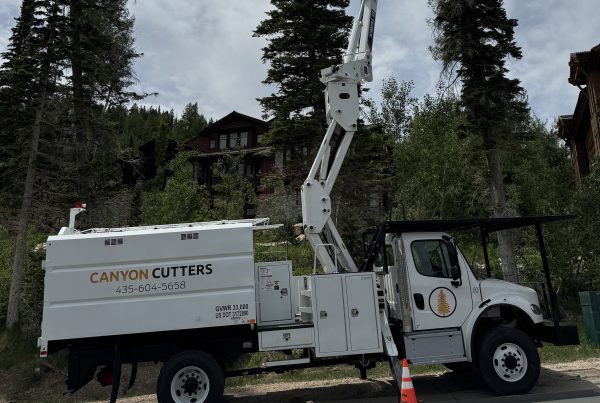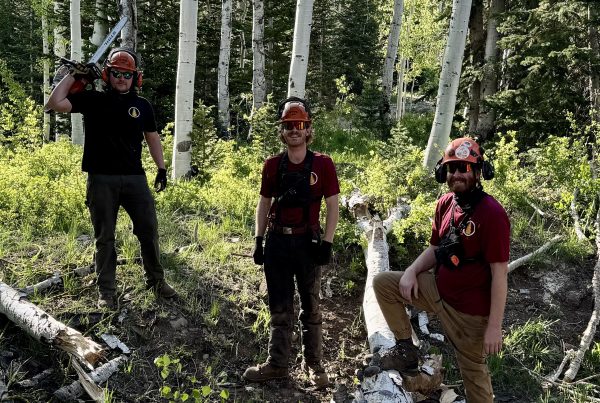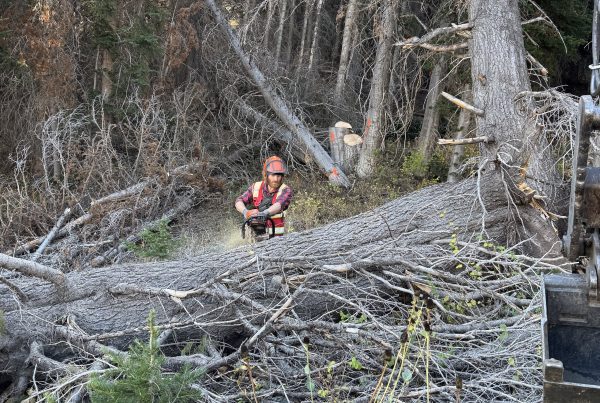
Tree guy is the phrase many homeowners type when they need help fast, but on a mountain property in Park City or Heber City, the right tree guy should do far more than cut a few limbs. A real local expert should understand pruning, removals, wildfire fuel reduction, steep terrain, snow damage, debris cleanup, drainage concerns, and the special needs of homes located on and near the ski resorts of Park City. That broader skill set is exactly why Canyon Cutters matters to local property owners. As a locally owned and operated Park City company, Canyon Cutters focuses on mountain homes, resort-adjacent properties, and forested land in Park City and Heber City, while also handling forestry applications for fire mitigation in the Wasatch and Uinta Mountains. For readers trying to figure out whether they need pruning, removal, cleanup, or a larger property plan, this guide explains what a good tree guy really does, what warning signs to look for, how tree work ties into wildfire readiness and slope protection, and why working with a full-service local crew can save time, reduce risk, and leave your land in better shape for every season.
Table of Contents
- What “Tree Guy” Really Means on a Mountain Property
- Services You Should Expect From a Real Tree Guy
- Why Tree Work Matters More Near the Ski Resorts of Park City
- Signs You Should Call a Tree Guy Soon
- What Good Tree Pruning Looks Like
- When Removal Is the Smarter Choice
- Tree Guy Work and Wildfire Readiness
- Drainage, Erosion, and Property Rehabilitation After Tree Work
- DIY vs Hiring a Professional
- How to Choose the Right Tree Guy in Park City and Heber City
- FAQs
- Final Thoughts
What “Tree Guy” Really Means on a Mountain Property
More Than Just Cutting Trees
For a lot of homeowners, “tree guy” is shorthand for whoever can come over with a saw and make a problem disappear. On a mountain lot, that is too narrow. A real tree guy should be able to look at the whole property and see how the trees affect safety, access, drainage, wildfire exposure, views, snow storage, and the long term condition of the land. On one property the issue might be a dead limb over the driveway. On another it might be a whole grove of overcrowded conifers creating ladder fuels near the house. On another it could be storm-thrown material blocking access while runoff starts washing out part of the slope.
That bigger picture matters in Park City because one tree problem often touches three or four other property issues at the same time. Prune a canopy too aggressively and you can weaken the tree. Remove a tree without planning the cleanup and you end up with a large stump, slash piles, and bare ground that erodes during runoff season. Leave dead wood on the lot and you can increase both clutter and fire risk. Handle the same work properly and you get safer access, healthier retained trees, less fuel near the structure, and a cleaner property overall.
That is why Canyon Cutters is not limited to one-off cutting. The company’s service lineup includes wood chipping, land management, tree removal, dump truck hauling, fire mitigation, tree pruning, stump grinding, snow removal, clearing trails for ski in and ski out access, erosion and drainage construction solutions, storm cleanup, and property rehabilitation. For homeowners and property managers, that matters because the right answer is often a coordinated plan instead of a single isolated service call.
If you look at Canyon Cutters’ recent tree service guide for Park City and Heber City, the point becomes clear very quickly. Tree care in these mountain communities is tied to steep terrain, dense cover, seasonal weather, ski access, and wildfire exposure. A useful tree guy is someone who can think through all of that before the first cut is made.
Why Local Mountain Experience Matters
There is a real difference between working on a flat suburban lot and working on a Park City hillside near the resorts. Equipment access is tighter. Drop zones can be limited. Snow load changes how branches fail. Wind channels through canyons differently. Dense stands of aspen and conifer create visibility and fuel issues that do not show up in the same way on a flatter site. Vacation homes and rental properties also add scheduling, access, and appearance concerns that should be part of the planning.
The local piece matters for readers who want a true Park City tree guy, not just a generic contractor. Canyon Cutters states on its home page that it is locally owned and operated in Park City, Utah, with a primary focus on homes and property located on and near the ski resorts of Park City. The company also provides a complete arborist solution for Park City and Heber City and specializes in forestry applications for fire mitigation in the Wasatch and Uinta Mountains. That combination of local focus and multi-service capability is exactly what many mountain properties need.
Professional credentials matter too. When a job involves pruning decisions, tree structure, tree risk, or preservation around buildings, it helps to understand the difference between a casual cutter and someone grounded in arborist standards. Homeowners can review the International Society of Arboriculture homeowner resources and search the ISA credential directory to see what an arborist credential means. That is important in Park City and Heber City, where the wrong cut can do lasting damage and the wrong removal plan can create property risk fast.
When local experience is paired with real field capability, the homeowner gets more than a trimmed tree. They get better sequencing, better cleanup, better slope protection, and better judgment about what should stay, what should go, and what should be monitored over time.
Services You Should Expect From a Real Tree Guy
Pruning and Tree Health
Pruning is one of the most valuable services a tree guy can provide when it is done thoughtfully. Good pruning removes dead, broken, hanging, rubbing, or poorly attached branches. It can improve structural balance, reduce weight on overextended limbs, raise canopy clearance over driveways and walkways, and help protect a roofline or deck from branch contact during wind and snow events.
A lot of homeowners wait until a tree looks wild or obviously hazardous before calling. That often means the job is larger, riskier, and more expensive than it needed to be. The better pattern is periodic inspection and selective pruning before the tree becomes a problem. Canyon Cutters’ Park City tree trimming guide does a good job explaining how trimming on mountain properties is tied to access, storm exposure, roof clearance, and wildfire fuel reduction, not just appearance.
Homeowners should also know that pruning is not supposed to be random. As Utah State University Extension explains in its pruning overview, pruning is generally done for health, hazard reduction, and form, and winter or early spring is often a favorable time for many landscape trees. The same fact sheet warns against removing too much live canopy in one year. That is a helpful reminder that a skilled tree guy is managing biology, not just removing wood.
Removal, Stumps, and Debris
Sometimes pruning is not enough. Trees that are dead, split, badly leaning, storm-damaged, severely crowded, or simply in the wrong place may need to be removed. On mountain lots, the question is often not “can it be cut?” but “how can it be removed safely without damaging the house, driveway, retaining wall, surrounding trees, or slope?” That is why removal work should be planned with staging, drop zones, chipper access, and haul-off in mind.
Readers deciding whether removal is appropriate can compare situations to Canyon Cutters’ tree removal company guide and its storm damage contractor guide. Those pages reflect a useful local reality: many removals are tied to storm cleanup, hazard reduction, wildfire preparation, or long term land management, not just aesthetics.
Then there is the stump. Leaving a stump can be fine in certain wild settings, but on many residential and resort-adjacent properties it becomes a trip hazard, a mowing or plowing obstacle, an insect and decay zone, and a problem for future grading or drainage work. That is why stump grinding should be part of the conversation whenever a tree comes out. A good tree guy should explain whether the stump should stay, be ground, or be handled later as part of a larger site plan.
Debris matters too. Branch piles, rounds, slash, and chips can quickly make a property look unfinished and can add fuel where wildfire is a concern. Canyon Cutters’ ability to pair tree work with wood chipping, hauling, and cleanup services is important because the job is not really done until the site is safe and functional again.
Fire Mitigation, Land Management, and Trail Clearing
On many Park City and Heber City properties, the best tree guy is not just handling one tree. He is helping manage the entire stand. That can include thinning, deadfall removal, brush reduction, crown lifting, spacing improvements, chip management, and seasonal cleanup. If the property is on or near the ski resorts, the work may also include keeping access corridors usable and clearing trails for ski in and ski out movement.
This is where the line between tree work and land management becomes very important. Canyon Cutters regularly ties its tree services to broader land work through pages such as its land clearing guide, its guide to choosing a land clearing company in Park City, and its guide to pricing tree work. For property owners, that means the same crew can often handle the pruning, removal, debris, fuel reduction, and follow-up site work in one plan.
That broader capability is especially useful where homes, trails, drainage paths, and wildfire concerns overlap. A tree guy who can see those overlaps gives the homeowner better outcomes and fewer surprises.
Why Tree Work Matters More Near the Ski Resorts of Park City
Snow, Wind, and Steep Slopes
Mountain tree work is different because the trees are dealing with mountain forces. Heavy wet snow loads can split branch unions or peel out long lateral limbs. Wind exposure can reveal structural weaknesses that were easy to miss during calm weather. Steep slopes make everything harder, from access and rigging to cleanup and drainage repair. Even a relatively small failure can have bigger consequences when the tree or limb lands on a driveway, slides downhill, blocks a private road, or damages a retaining edge.
That is one reason proactive tree work makes so much sense in Park City. Canyon Cutters’ local tree service article points out that homeowners here are dealing with dense cover, narrow work areas, storm exposure, wildfire risk, and limited drop zones all at the same time. A tree guy who understands those conditions is more likely to recommend selective work before a limb fails rather than after.
For mountain homeowners, the question is often not whether a tree still looks green. It is whether the tree’s structure, location, and canopy weight make sense for the site. That is a more useful way to think about risk than waiting for obvious failure.
Views, Access, and Guest Safety
Properties near the ski resorts often have another layer of complexity. The lot is not just a residence. It may also be a rental, a second home, or a guest-oriented property where access, appearance, snow operations, and sightlines affect value and usability. A branch that scrapes a roof in wind, shades an icy stair, crowds a guest parking area, or narrows a plow path is not just a nuisance. It is a property management problem.
That is why many local owners need a tree guy who can help with more than emergencies. Selective canopy raising, targeted pruning for walkway clearance, deadwood removal, brush cleanup, and seasonal trimming along access routes can make the property safer and easier to manage. When those jobs are paired with Canyon Cutters’ project gallery and before and after examples, property owners can get a practical sense of how tree work can preserve a natural mountain look while improving function.
It is also worth remembering that a tree guy working near a structure should be thinking about what happens after snow falls again. Branches should not be left hanging over high-use areas. Slash should not be left where it will trap snow or create slippery obstacles. Debris should not be stacked where it narrows access. Good cleanup is part of guest safety.
Wildfire Pressure in the Wasatch and Uinta Mountains
Park City and Heber City homeowners are living in a landscape where homes meet forest. The Utah Division of Forestry, Fire and State Lands wildfire preparedness resources make clear that property owners play a major role in reducing wildfire risk around their homes and communities. That makes tree work part of responsible ownership, not just cosmetic maintenance.
The U.S. Forest Service guidance on making your home wildfire defensible explains that defensible space helps slow or stop wildfire spread and also helps firefighters work more safely around a structure. In practical terms, that means many “tree guy” tasks in Park City are also wildfire tasks: thinning overcrowded trees, removing deadfall, lifting lower limbs, chipping slash, clearing access, and separating fuels near the structure.
Canyon Cutters’ own wildfire safety guide, wildland fire safety guide, and wildfire emergency kit article reinforce the same local point. Fire mitigation is not a side issue for mountain properties. It is a central maintenance issue, and tree work is one of the main ways homeowners address it.
Signs You Should Call a Tree Guy Soon
Structural Red Flags
A lot of risky trees do not announce themselves with a dramatic lean. Some of the most important warning signs are subtler. Look for cracked branch attachments, hanging limbs, recent limb drop, trunk splits, cavities, bark loss, root plate lifting, or a tree that suddenly begins leaning more than before. Watch for stems growing too close together, multiple leaders with tight unions, or branches rubbing and weakening one another. If a tree is overhanging the house, deck, hot tub, driveway, or walkway, the tolerance for those issues should be low.
The TreesAreGood hazard and risk guidance is helpful for homeowners because it frames risk as a combination of defects, site conditions, and targets. In other words, the same branch defect means more when it is hanging over a roof or guest path than when it is deep in a low-use corner of the lot.
Storms raise the urgency. If snow, wind, or saturated soil has already stressed the tree, it makes sense to call before the next weather event piles on. That is where Canyon Cutters’ storm damage planning guide becomes useful. It helps homeowners think in terms of safety, access, debris, and recovery rather than just emergency cutting.
Health and Growth Red Flags
Tree health problems matter too, but they can be easy to overlook when you are focused on shape and clearance. Browning needles, thinning crowns, dead tops, premature leaf drop, fungal growth, conks, resin flow, sawdust-like boring dust, or unexplained branch dieback can all point to decline or insect pressure. In Utah conifer country, bark beetle-related stress is one issue to take seriously. Utah State University’s bark beetle fact sheet notes that fading crowns are a common sign, while Utah DNR forest health guidance explains that insects and disease often affect weakened or stressed trees first.
That does not mean every brown branch means removal. Sometimes the solution is pruning, improved spacing, cleanup around the root zone, or monitoring through the season. But it does mean homeowners should not ignore visible decline. A good tree guy should be able to sort the urgent problems from the manageable ones and help you prioritize what should happen now versus later.
Another red flag is simple crowding. A tree can be alive and still be a poor fit if it is growing into the house, competing hard with nearby stems, or making defensible space impossible around the structure. In those cases, the question becomes less about whether the tree is technically alive and more about whether it still belongs in that location.
What Good Tree Pruning Looks Like
Proper Cuts and Timing
Good pruning protects both the tree and the property. That starts with proper cut placement. The ISA brochure on pruning mature trees explains that pruning large trees can be dangerous and should be done with an understanding of tree biology. Cuts should generally be made outside the branch collar so the tree can compartmentalize the wound more effectively. Large limbs should usually be removed with a three-cut method to avoid bark tearing and trunk damage.
Timing matters too. As noted earlier, USU Extension’s pruning overview says winter or early spring is often a strong window for many landscape trees in Utah. That timing can be especially practical in Park City when homeowners want to reduce snow and wind risk before the next heavy season or correct structure before spring growth begins.
Good pruning is also selective. It is not topping. It is not random lion-tailing. It is not stripping out a tree until it is stressed and unnatural looking. The goal is to remove the branches that create the most risk or the least value while preserving the tree’s natural form and long term function. When readers compare strong pruning to weak pruning, they usually realize quickly that the best work often looks subtle right away and obvious only later, when the tree is healthier and the property functions better.
Species and Seasonal Considerations in Northern Utah
Park City and Heber City properties often include a mix of aspen, pine, spruce, fir, cottonwood, maple, oak, and ornamental trees. Those species do not all respond the same way to pruning or to site stress. Aspen groves can look deceptively healthy while individual stems decline. Conifers may show interior dieback, beetle stress, or crowding issues that make thinning more useful than cosmetic trimming. Cottonwoods can grow large fast and create structural and clearance issues near homes if left unchecked.
That is why the best tree guy is not just following a generic trimming formula. He is reading the species, the site, the season, and the homeowner’s goal. If the property is being prepared for wildfire season, the cuts may focus more on branch height, spacing, and deadwood. If the property is being prepared for winter, the focus may shift toward snow-loaded laterals over roofs and access paths. If the goal is long term appearance around a luxury mountain home, the plan may involve lighter, phased work over time rather than one harsh intervention.
Homeowners do not need to know every species-level detail to make a smart decision. They do need a tree guy who understands that species, season, terrain, and use pattern all matter. In that sense, good pruning is less about how much is cut and more about whether the cut solves the right problem without creating a new one.
When Removal Is the Smarter Choice
Hazard Trees, Crowded Stands, and Storm Failure
Removal becomes the smarter choice when the tree’s risk, condition, or location outweighs its value. A dead standing tree near a home, driveway, deck, or guest area is an obvious example. So is a tree with major trunk failure, severe root instability, or repeated large branch loss. On some lots, removal is also the best way to reduce crowding, improve stand health, and make defensible space possible near the structure.
Mountain lots often contain clusters where a few retained trees would perform much better if one or two poorly placed trees were removed. That is especially true when the trees are crowded against retaining walls, structures, driveways, or utility corridors. Canyon Cutters’ local guide to hiring a tree removal company is helpful here because it frames removal as part of property protection and long term planning, not just emergency cutting.
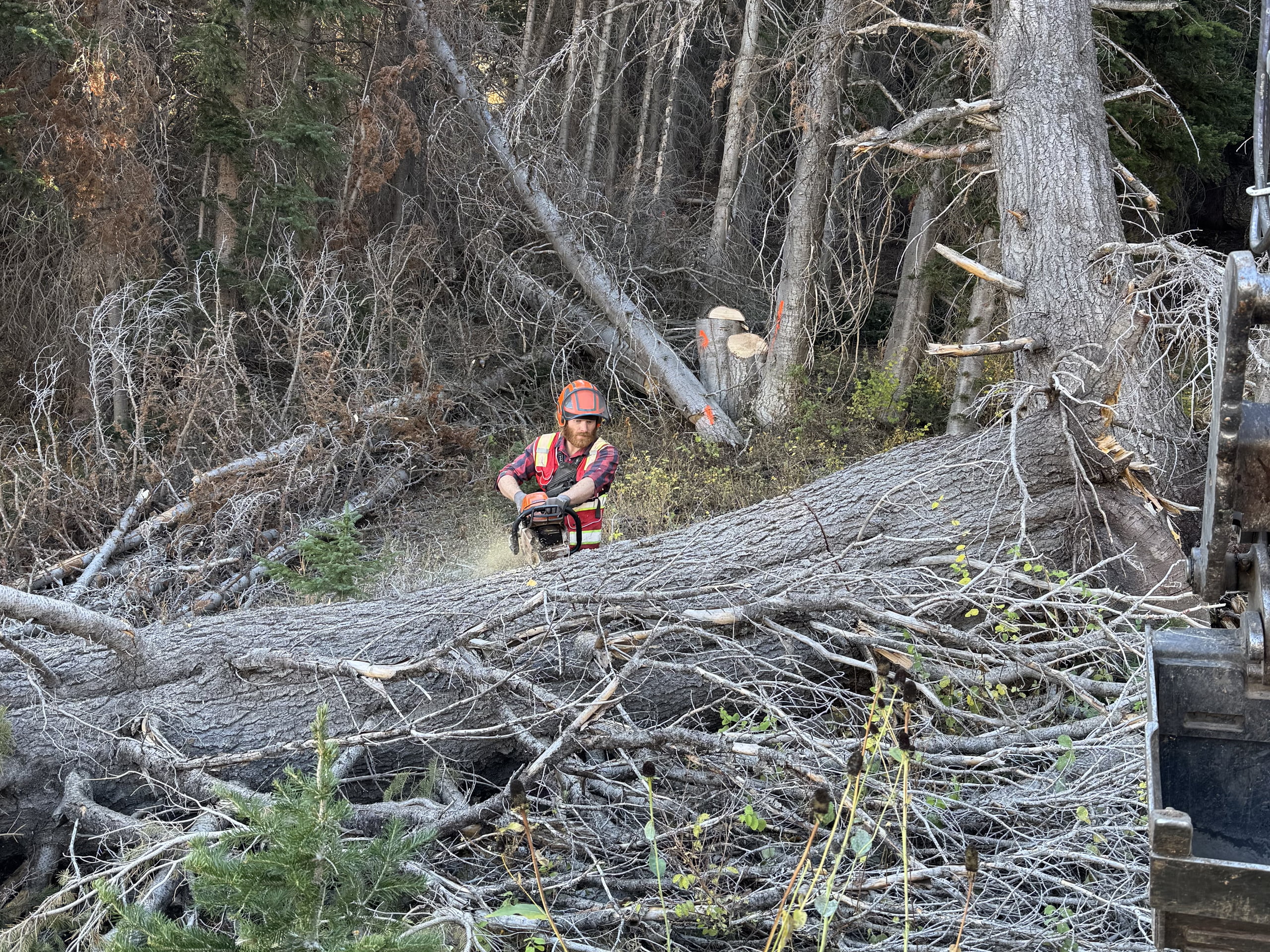
Storm failure is another common reason. Snow split, uprooted trees, hung-up stems, or broken tops often require a higher level of planning than routine pruning. In those cases, the right tree guy needs to control the site, protect nearby structures, and think through debris flow, equipment placement, and cleanup. This is exactly where a multi-service company has an advantage, because the work may shift from tree cutting to hauling, chipping, stump grinding, slope repair, or drainage correction in the same visit.
Stumps, Cleanup, and What Comes Next
A good removal plan includes the aftercare. If a tree comes out, what happens to the stump? What happens to the chips and rounds? Will the area need erosion protection? Does the homeowner want the space replanned for access, snow movement, or wildfire spacing? Is the removal part of a larger land management phase? These are the kinds of questions a good tree guy should raise before the crew leaves.
That is one reason Canyon Cutters’ broader services matter. The company can connect tree removal to land clearing work, mountain property site preparation, budget planning for tree work, and ongoing maintenance rather than treating each job as a disconnected event.
For homeowners, that coordinated approach usually means fewer leftover problems. The lot is cleaner. The stump is addressed. The exposed ground is noticed. The access route works. The fuels are reduced. The result feels like a finished job rather than a half-solved one.
Tree Guy Work and Wildfire Readiness
Defensible Space and the Home Ignition Zone
One of the most important reasons to hire a tree guy in Park City is wildfire readiness. The NFPA guidance on preparing homes for wildfire explains that home survival depends heavily on the condition of the house and the area around it. NFPA and related wildfire resources also use the home ignition zone framework, which breaks the area around the structure into the immediate zone from 0 to 5 feet, the intermediate zone from 5 to 30 feet, and the extended zone from 30 to 100 feet. Those zones are useful because they turn a vague idea like “clear some brush” into a practical maintenance framework.
The Utah DNR homeowner education page shows the same three-zone defensible space concept. The Park City Fire District defensible space guidance and the district’s Plan, Prep, Go wildfire guide emphasize the need for defensible space around homes in this region. For homeowners, that means tree work should be informed by wildfire spacing, branch height, dead material removal, and access considerations, not just by what looks overgrown.
A local tree guy helps translate those wildfire frameworks into actual work. That might mean removing dead standing trees, thinning dense clumps near the structure, lifting lower limbs that act as ladder fuels, pruning overhangs above roofs and decks, or clearing brush that reduces visibility and access around the house. The point is not to strip the lot bare. The point is to preserve the forest character while lowering the chance that fire can move easily from the ground into tree crowns and then toward the structure.
Slash Handling and Access Routes
Wildfire-focused tree work is only useful if the slash is handled properly. Cutting branches and leaving them in piles near the house is not mitigation. It is deferred fuel management. That is why chipping, hauling, or properly staging removed material matters so much after trimming and thinning.
Canyon Cutters is especially well-positioned here because wildfire work connects directly to its core services, including chipping, hauling, land management, and property rehabilitation. Readers can see how the company approaches that broader property picture through its wildfire safety article and its wildland fire safety article.
Access routes matter too. Firefighters and emergency responders need room to work. Owners and guests need a reliable way out. Long drives, narrow curves, tree tunnels, and brushy road edges can all complicate evacuation and response. That is another reason a tree guy on a mountain property should be thinking about roads, turnarounds, walkways, gates, and ski access corridors as part of the job.
Drainage, Erosion, and Property Rehabilitation After Tree Work
Protecting Slopes, Driveways, and Foundations
Removing trees or brush changes how water moves across a site. On a flat lot that may not matter much. On a mountain lot it can matter immediately. Bare soil can begin to move. Water can start tracking down a new line. Drive edges can soften. Fine material can wash into drains or onto the driveway. That is why a strong tree guy should notice what happens after the vegetation comes out, especially on steeper slopes.
This is another place where Canyon Cutters’ broader service list is a real advantage. The company does not stop at tree work. It also handles erosion and drainage construction solutions and property rehabilitation. That means the crew can look beyond the cut itself and think about whether the site needs stabilization, rerouting, cleanup, or follow-up grading. For mountain property owners, that kind of continuity is valuable.
When a homeowner is planning larger disturbance, it is also worth checking local requirements. Summit County’s engineering forms and permit resources and the county’s grading and engineering permit information are useful starting points for understanding when earthwork, grading, or related site disturbance may trigger review. A good tree guy should flag that possibility rather than acting as if every lot can simply be cleared with no broader site consequences.
Grading, Drainage, and Long Term Site Function
After tree work, the question becomes what the land should do next. Should the cleared space improve driveway turning? Should runoff be guided away from the foundation? Should the area become part of defensible space? Should the homeowner reclaim an overgrown corner for safer access or easier seasonal maintenance? Those are property-function questions, not just tree questions.
Canyon Cutters’ experience with land clearing and mountain property preparation makes it easier for owners to connect tree work to the next phase of the site. In practical terms, that can mean a cleaner slope, a safer trail edge, better visibility at a drive entrance, more usable winter storage space, or a more stable area around the home.
The biggest takeaway is that tree work changes the site. The right tree guy sees that and plans accordingly. The wrong one leaves the homeowner with new water problems after solving an old tree problem.
DIY vs Hiring a Professional
Small Jobs Homeowners Can Handle
There are some light tasks homeowners can safely manage on their own. Picking up small fallen twigs, cleaning minor dead brush from a low-use area, moving small hand-cut branches away from the house, and observing tree condition through the seasons are reasonable homeowner tasks. A careful owner can also document changes in lean, crown density, or branch failures to help guide the next service visit.
That said, even small DIY work deserves caution. The moment a homeowner brings out a chainsaw, climbs a ladder, or works beneath overhead limbs, the risk goes up sharply. OSHA’s chainsaw safety guidance stresses proper protective equipment, clearing the work path, checking safety devices, and never working alone. That is good baseline guidance, but it also shows why many tree tasks are not worth doing casually.
Jobs That Should Go to Pros
Any job involving height, rigging, power lines, large limb weight, storm tension, split stems, steep slopes, or trees near structures should go to professionals. The same is true for hung-up limbs, dead tops, uprooted trees, or anything that could shift during cutting. OSHA’s guidance on downed electrical wires makes it clear that you should never assume a line is safe, while Safe Electricity’s storm safety page reminds people to stay away from downed power lines and contact the utility.
That means if your Park City tree problem involves a roof, utility line, driveway blockage, severe lean, large branch, or storm damage, the smart move is to call someone with the equipment and experience to control the situation. The value of a professional is not just that the work gets done. It is that the work gets done without turning one property problem into a medical, electrical, or structural emergency.
For many homeowners, the most cost-effective choice is not doing risky work alone. It is combining tasks in one professional visit. A good tree guy can often prune, remove, chip, haul, and flag follow-up work in one coordinated plan, which is exactly the kind of efficiency a mountain property benefits from.
How to Choose the Right Tree Guy in Park City and Heber City
Questions to Ask Before Hiring
If you are comparing providers, ask questions that reveal how they think. Do they understand mountain access issues? Can they explain why they recommend pruning instead of removal, or removal instead of pruning? How do they handle slash and cleanup? Can they connect tree work to fire mitigation, driveway access, drainage, or long term site goals? Do they have examples of similar properties? Can they explain safety around structures and utility lines? Are they local enough to understand what snow, runoff, resort traffic, and wildfire season do to these lots?
It is also smart to ask whether the company sees tree work as a one-time fix or part of a seasonal plan. For many owners, especially those with larger lots or homes near the ski resorts, the better answer is a recurring maintenance approach that includes inspection, selective pruning, cleanup, and fuel reduction. That keeps risk lower and budgeting more predictable.
Another useful sign is whether the company’s online content actually reflects local mountain issues. Canyon Cutters’ articles on tree service, tree trimming, tree removal, storm damage, and pricing tree work all show that the company is thinking about the real conditions local owners face.
Why Canyon Cutters Fits Local Mountain Properties
Canyon Cutters fits this market because the company was built around it. The business is locally owned and operated in Park City, Utah. It focuses on homes and property located on and near the ski resorts of Park City. It offers a complete arborist solution for Park City and Heber City. It also specializes in forestry applications for fire mitigation in the Wasatch and Uinta Mountains. That combination is unusually relevant for owners who need tree work tied to mountain property realities rather than handled as a generic suburban service.
Just as important, Canyon Cutters can connect the dots between tree work and the rest of the property. A homeowner who starts with a tree problem may also need chips hauled, a stump ground, deadfall removed, a slope stabilized, a trail cleared, access restored after a storm, or a broader fire mitigation plan. Canyon Cutters can support that broader scope through its core services page, its gallery, its before and after work, and its contact page for getting a project started.
For property owners, that kind of continuity is valuable. It makes planning easier. It reduces the need to coordinate multiple contractors. It often leads to cleaner execution because the crew handling the trees also understands the land, the debris, the wildfire exposure, and the access issues that come with mountain homes.
FAQs
How often should I have a tree guy inspect trees on a Park City property?
Most mountain properties benefit from at least a periodic review, especially before winter snow load and before wildfire season. If your lot has mature trees near the home, long driveways, ski access routes, or recent storm damage, more frequent inspections may make sense.
What is the difference between a tree guy and an arborist?
Many people use “tree guy” as a general term for someone who works on trees. An arborist is a professional trained in tree biology, structure, care, and risk. On important pruning, removal, or hazard decisions, it helps to work with someone who understands arborist standards and mountain property conditions.
Can tree work really help with wildfire safety?
Yes. Tree work is one of the main ways homeowners reduce wildfire fuel near structures. Pruning lower limbs, removing deadwood, thinning crowded trees, reducing ladder fuels, and properly handling slash all support defensible space and home ignition zone planning.
When is the best time to trim trees in Park City and Heber City?
For many Utah landscape trees, winter or early spring is often a good time for heavier pruning, although species, tree health, and site conditions can change the ideal timing. Immediate hazard removal should happen whenever safety requires it.
Should I remove every tree close to my house?
No. The goal is not to strip the property bare. The goal is to keep the right trees, remove the wrong ones, and manage spacing, dead material, and branch height so the trees and the property function well together.
What if I need more than tree trimming?
That is common on mountain properties. Many owners also need wood chipping, stump grinding, hauling, fire mitigation, trail clearing, storm cleanup, drainage support, or property rehabilitation. Working with a company that handles those connected services can simplify the whole project.
Final Thoughts
The best tree guy for a Park City or Heber City property is not just someone who can remove a limb. It is someone who understands mountain terrain, tree biology, wildfire pressure, snow load, guest safety, drainage, cleanup, and how all of those pieces affect the value and function of your land. That is why so many local owners need a broader solution than simple cutting.
Canyon Cutters is built for that broader role. The company is locally owned and operated in Park City, focuses on homes and properties on and near the ski resorts, offers a complete arborist solution for Park City and Heber City, and handles forestry applications for fire mitigation in the Wasatch and Uinta Mountains. Whether you need selective pruning, hazard tree removal, stump grinding, wood chipping, storm cleanup, slope-aware land management, or a bigger property care plan, Canyon Cutters can help bring those pieces together.
If you are looking for a reliable tree guy who understands what mountain properties actually need, start by reviewing the services Canyon Cutters offers, browse the gallery of local work, compare results on the before and after page, and reach out through the contact page to discuss your property. The right plan can make your trees healthier, your home safer, your access easier, and your mountain lot better prepared for every season.