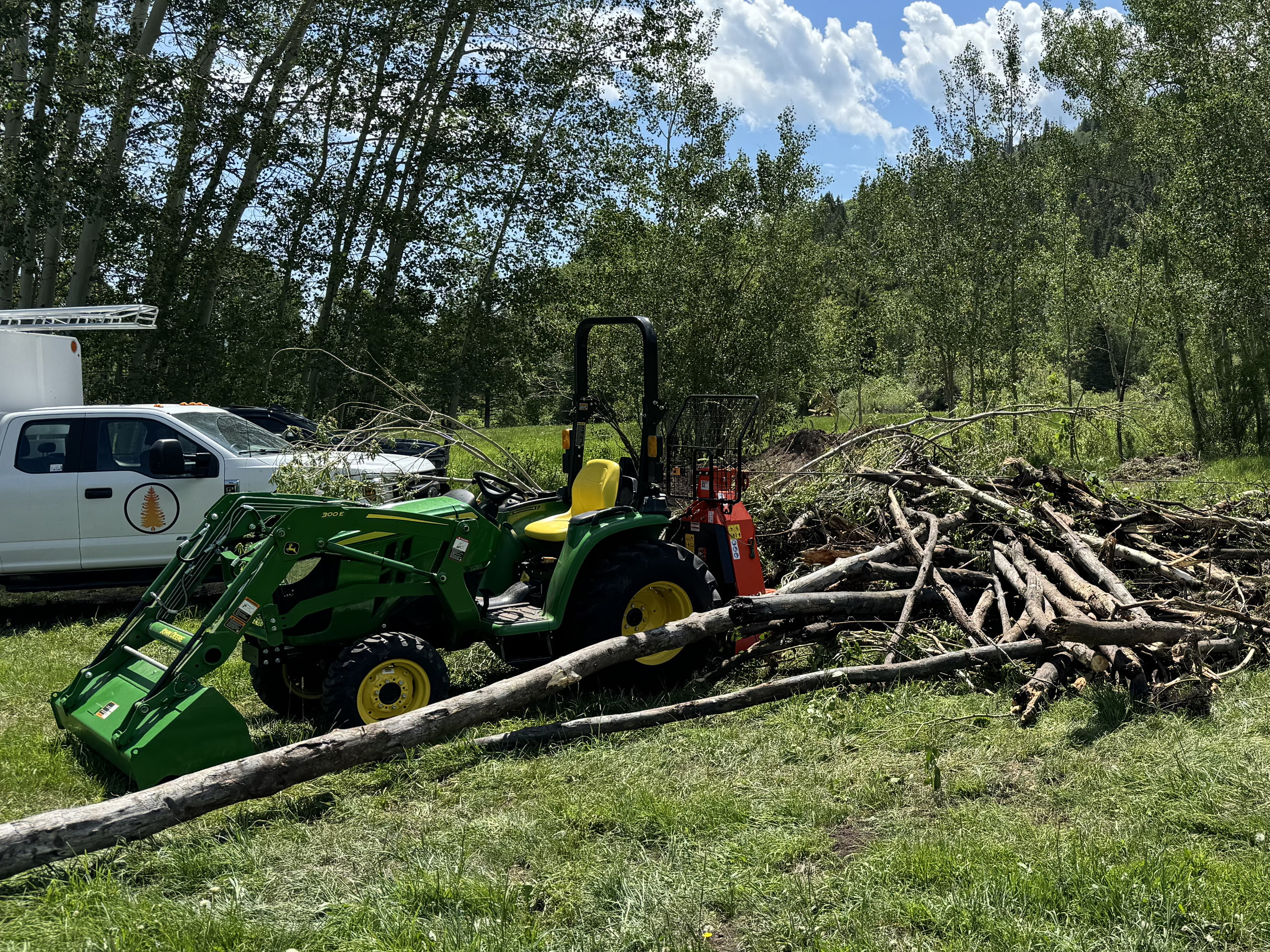
Wildland fire preparedness is no longer optional for Park City and Heber City homeowners who live among forests, ski runs, and steep mountain slopes. In this guide, you will learn how to combine wildland fire safety, defensible space planning, home hardening, wildfire mitigation, and professional services from Canyon Cutters so your property can move closer to a truly wildfire ready home.
Table of Contents
- Understanding Wildland Fire Preparedness In Park City Utah
- Wildland Urban Interface Fire Safety For Park City And Heber City
- Defensible Space And Firewise Landscaping Around Mountain Homes
- Home Hardening And Ember Resistant Zones
- Checklists, Evacuation Planning, And Emergency Kits
- Wildfire Mitigation Services In Park City And Heber City
- Forestry, Land Management, And Fuel Reduction
- Year Round Property Care And Fire Risk
- Getting Started With Canyon Cutters Wildfire Risk Management
- Frequently Asked Questions
Understanding Wildland Fire Preparedness In Park City Utah
Why Mountain Properties Face Wildfire Risk
Wildland fire preparedness in Park City Utah starts with understanding why mountain homes face higher wildfire risk than many low elevation neighborhoods. Steep slopes, dense conifer and aspen stands, afternoon winds, and long dry periods seasonally combine to push flames uphill faster and hotter. When those fuels sit right next to homes, decks, and wooden fences, the stage is set for intense fire behavior.
Many homeowners picture wildfire as a wall of flame, yet in reality embers can travel far ahead of the main plume. Those embers may land in pine needles on a roof, dry leaves in a gutter, or woodpiles stacked under a deck. Wildfire preparedness for Park City and Heber City mountain properties therefore focuses as much on stopping embers as it does on stopping flames. That is where home wildfire protection, defensible space, and home hardening all come together.
The same terrain that makes ski resort neighborhoods attractive also adds risk. Tight driveways, shared access roads, and tall trees close to structures can slow firefighters. Strong local programs and responsible homeowners improve wildland fire safety, yet it still takes daily and seasonal maintenance to keep your property ready.
What Wildland Fire Preparedness Means For Utah Homeowners
For Utah mountain communities, wildfire preparedness is not a one time project. It is an ongoing pattern of choices about trees, shrubs, building materials, and access. At a practical level, that means removing dead fuels, managing live vegetation, improving access for emergency vehicles, and upgrading vulnerable parts of the house so embers struggle to find a foothold.
In the Wasatch and Uinta ranges, wildland fire preparedness blends yard work, minor construction, and professional help. Homeowners tackle simple tasks such as raking needles, moving firewood, and trimming lower branches. Qualified crews handle higher risk tasks such as dead tree removal and working on steep slopes. This mix of personal action and skilled support is how Canyon Cutters helps local families reach realistic levels of wildfire risk reduction without sacrificing the mountain character of their land.
When you approach wildland fire preparedness as a lifestyle for your property, it becomes easier to budget time and money. Instead of reacting to each new fire season with stress, you follow a plan that covers vegetation, structures, and access routes each year.
Key Principles Of Wildland Fire Safety
Although every property is unique, effective wildland fire safety follows a few core principles. First, reduce the amount of fuel close to structures. Second, interrupt pathways that would let fire climb into tree crowns or jump from tree to tree. Third, close the gaps and openings that would let embers enter your home. Finally, coordinate with neighbors to build a fire safe community where properties support each other instead of passing risk down the slope.
Defensible space planning, wildfire fuel management, and home hardening are the three pillars that support long term wildfire risk management. Together, they form a practical roadmap for families who want a wildfire ready home that still feels like a mountain retreat. Many of the steps also deliver side benefits, such as improved views, healthier trees, safer winter access, and a cleaner yard.
Canyon Cutters is locally owned and operated in Park City, Utah, and has built its services around these same principles. The team focuses on realistic upgrades that match your property, budget, and lifestyle, from small lots near ski lifts to large forested parcels higher in the Wasatch Mountains.
Wildland Urban Interface Fire Safety For Park City And Heber City
What Is The Wildland Urban Interface (WUI)
Many Park City and Heber City neighborhoods sit in the wildland urban interface (WUI), where human development blends directly into forests and shrublands. This wildland urban interface fire safety context changes how firefighters operate and how homeowners should think about their properties. Streets are often narrow, hydrants may be spaced farther apart, and vegetation plays a larger role in how fast flames move.
In WUI settings, structures and vegetation form a continuous network of possible fuel. If one house ignites, the heat and embers can easily spark the next structure. That is why wildland urban interface wildfire preparedness tips usually emphasize both individual and community level actions. The more homes that follow similar standards, the more resilient the entire neighborhood becomes.
Local Wildfire Conditions In The Wasatch And Uinta Mountains
Park City and Heber City sit between the Wasatch Mountains and Uinta Mountains, two ranges with a long history of fire. Today, warmer summers, periods of drought, and more people living in high country neighborhoods have combined to increase wildfire exposure. Wasatch Mountains wildfire safety initiatives, along with Uinta Mountains fire mitigation projects, now aim to keep both public lands and private properties safer.
For homeowners, this means understanding when fuels are driest, how afternoon winds behave, and how smoke and fire would likely travel through nearby canyons. Local alerts, community meetings, and resources from agencies such as Ready.gov and the National Weather Service provide useful wildfire preparedness information that complements the on-the-ground work you do around your home.
Wildland Urban Interface Wildfire Preparedness Tips
Wildland urban interface wildfire preparedness tips for Park City and Heber City often start with clear access. Make sure your address is visible, branches are trimmed above the driveway, and there is room for large vehicles to turn around. Next, focus on cleaning up fine fuels such as dry grass, pine needles, and small branches that accumulate under decks, along fences, and under trees.
Because WUI neighborhoods are interconnected, residential fire mitigation also involves talking with your neighbors about shared risks. Many communities choose to work toward Firewise style goals, drawing on guidance such as the National Fire Protection Association resources for preparing homes for wildfire and Ready.gov wildfire safety information. In Utah, the Division of Forestry, Fire and State Lands homeowner education page is another helpful reference for local conditions.
Defensible Space And Firewise Landscaping Around Mountain Homes
Defensible Space Zones Around Your Home
Defensible space is the managed area around your home where fuels are reduced or rearranged to slow an approaching fire. Understanding how to create defensible space around your home is one of the most powerful steps you can take to protect buildings. In practice, you divide the area into zones and adjust vegetation and materials in each one.
The first zone extends roughly five feet from the structure. Here, experts recommend noncombustible materials such as gravel or stone, limited plantings, and careful attention to fire resistant landscaping choices. This inner ring also includes keeping gutters clean, removing dead leaves against siding, and moving firewood away from the house. These changes help create stronger ember resistant zones where drifting embers have fewer places to ignite.
The next zones extend outward to thirty feet and then farther down slope. In these areas, defensible space planning focuses on reducing fuel continuity. You remove dead shrubs, thin crowded trees, and break up clusters of plants so flames struggle to connect. On steeper slopes, this work may involve land clearing for fire safety and carefully planned fuel load reduction that still leaves healthy trees in place.
Firewise Landscaping Ideas For Utah Mountain Homes
Thoughtful firewise landscaping supports defensible space while preserving the beauty that drew you to the mountains. Firewise landscaping ideas for Utah mountain homes include choosing plants that stay greener longer, placing low growing species near the house, and spacing shrubs so they do not form a continuous hedge that could carry fire. Many homeowners also replace flammable mulch next to structures with stone or pavers.
For more inspiration, you can review Utah Firewise landscaping and homeowner guides alongside National Weather Service wildfire readiness recommendations. These resources help you tailor fire resistant landscaping choices to high elevation climates, where snow loads, intense sun, and wildlife all influence plant selection.
As part of its services, Canyon Cutters often combines firewise landscaping concepts with practical tree care. By pairing selective planting with careful removal and pruning, the team helps reduce wildfire fuel while still framing the views that make ski resort properties special.
Defensible Space And Tree Pruning For Wildfire Safety
Trees are a treasured part of mountain living, yet unmanaged branches and thick understory can increase crown fire risk. When flames climb ladder fuels such as tall shrubs or low branches, they can reach tree crowns and move quickly from canopy to canopy. Tree pruning for clearance lifts lower limbs, removes dead wood, and breaks up vertical fuel ladders so fire is more likely to stay on the ground.
In many settings, defensible space and tree pruning for wildfire safety go hand in hand. You might remove a small number of higher risk trees, then thin and prune the remaining ones. This approach keeps your forest feel while supporting wildfire fuel reduction for mountain properties. It also improves light and air flow, which can benefit tree health.
Canyon Cutters offers tree pruning, Wood Chipping, and Tree Removal with chipping and hauling that fits directly into defensible space work. The crew can also identify dead tree removal priorities and adjust their work to align with your budget and the specific guidance from your insurance carrier or local fire officials.
Home Hardening And Ember Resistant Zones
Roof, Vents, And Decks
Even with excellent defensible space, embers can still travel long distances. Home hardening focuses on making the structure itself more resistant to those embers. Roofs, vents, and decks are high impact areas. A Class A roof, screened vents, and noncombustible deck surfaces or coverings are all proven upgrades when you want to know how to harden your home against wildfires.
Homeowners can start with maintenance. Keep roof valleys and gutters clear of needles and leaves. Install metal gutter covers where possible. Check all attic and crawlspace vents to ensure screens are in good condition and ideally upgraded to fine mesh. If your deck stores firewood, tools, or furniture cushions, clear those items during wildfire season so they do not ignite under the deck.
Windows, Doors, And Siding
Windows and doors are vulnerable points when a fire is nearby. Dual pane tempered glass is more resistant to heat than single pane glass. Tight fitting doors with good weather stripping keep embers out. Sealing gaps where utilities enter the wall also reduces entry points. These upgrades form part of a larger home hardening plan and can be phased in over time as you remodel or replace components.
Siding materials matter too. While not every homeowner can immediately replace siding, many can improve conditions by adding noncombustible trim near ground level, reducing combustible items stored against walls, and paying close attention to the first five feet around the structure. When these improvements align with defensible space and fire resistant landscaping, your home wildfire protection becomes much stronger.
Creating Ember Resistant Zones
Ember resistant zones aim to deny embers the fine, dry fuel they need to ignite. Within a few feet of the house, think in terms of clean, hard surfaces and low growing plants with higher moisture content. Move doormats, cardboard boxes, and spare lumber into enclosed storage during fire season. Keep under deck areas clean and, if possible, screened.
When combined with defensible space work in the yard, these home hardening steps contribute to real wildfire risk reduction. They also support the goals of Park City fire mitigation efforts and broader Wasatch Mountains wildfire safety initiatives. Canyon Cutters can help you identify quick wins during a property wildfire assessment, then connect you to longer term upgrade ideas that match your budget.
Checklists, Evacuation Planning, And Emergency Kits
Wildland Fire Preparedness Checklist For Homeowners
Because there are many moving parts, a wildland fire preparedness checklist for homeowners makes it easier to stay on track. A simple version might be grouped into weekly, seasonal, and annual tasks. Weekly tasks include checking local fire danger levels and keeping driveways and walkways clear. Seasonal tasks include gutter cleaning, mowing dry grass, and moving firewood away from structures.
Annual tasks focus on bigger projects such as revisiting defensible space, updating a wildfire evacuation plan, and scheduling professional services. Many homeowners also coordinate with neighbors, review insurance coverage, and photograph their property each year for documentation. These steps make claims easier if a fire ever does occur.
For checklist inspiration, review national level resources such as the Ready.gov wildfire checklist and the CalFire emergency supply kit and go bag guide, then adapt them to suit Park City and Heber City conditions.
Evacuation Plans And Emergency Preparedness Kits
A written wildfire evacuation plan helps your household act quickly during stressful conditions. Decide ahead of time which routes you will use, where you will meet if separated, and who will check on neighbors or family members with limited mobility. Include pets in the plan and practice it occasionally so every family member knows the steps.
An emergency preparedness kit supports that plan. At minimum, it should cover water, food, medications, important documents, cash, flashlights, and basic first aid. Park City and Heber City residents often add warm clothing, snow friendly footwear, and maps that show multiple routes out of canyons. Storing the kit where it is easy to grab makes it more likely you will take it if you need to leave in a hurry.
When you combine a solid evacuation plan, a ready emergency preparedness kit, and physical work on defensible space and home hardening, you greatly improve your overall wildfire preparedness.
Vacation Homes And Cabins In The Wasatch
Many ski area properties function as second homes or rentals. Emergency wildfire preparedness for vacation homes requires extra planning because you may not be present when a fire starts. Remote monitoring, clear instructions for guests, and arrangements with local contractors become especially important.
Wildfire safety planning for cabins in the Wasatch should include instructions for shutting windows, locking doors, and following local evacuation orders. It is wise to post a short version of your wildfire evacuation plan inside the property. For these part time residences, it can be especially helpful to work with a local team like Canyon Cutters that understands seasonal access challenges and can carry out regular inspections, vegetation management, and storm cleanup.
Wildfire Mitigation Services In Park City And Heber City
Why Hire Professional Fire Mitigation Services
Some tasks fit well into a weekend of yard work, yet others are better left to trained crews. Steep slopes, heavy timber, and proximity to structures can transform simple pruning into high risk work. Professional fire mitigation services bring the equipment, training, and insurance needed to manage those hazards safely.
In addition to safety, experienced crews understand wildfire behavior. They can identify which trees most increase crown fire risk, where to focus fuel load reduction, and how to maintain visual screens without compromising safety. This combination of technical knowledge and practical field experience is essential when you want professional fire mitigation for ski resort homes that sit among thick forests and complex terrain.
How Canyon Cutters Approaches Fire Mitigation
Canyon Cutters offers a complete arborist solution for residents of Park City and Heber City, Utah. The company is locally owned and operated in Park City, with a primary focus on homes and properties located on and near the ski resorts of Park City. Canyon Cutters specializes in Forestry applications for fire mitigation work needed in the Wasatch and Uinta Mountains, which makes them a trusted partner for Park City fire mitigation projects.
Their core services include Wood Chipping, Land Management, Tree Removal, Dump Truck Hauling, Fire Mitigation, Tree Pruning, Stump Grinding, Snow Removal, Clearing Trails for Ski in & Ski Out, Erosion/Drainage Construction Solutions, Storm Cleanup, and Property Rehabilitation. These offerings are designed to support wildfire mitigation, storm recovery, and long term health of your landscape.
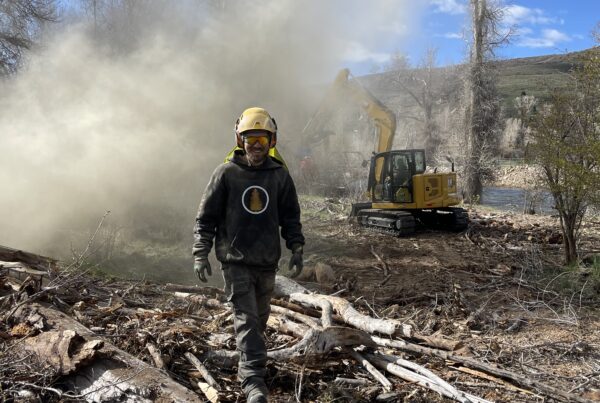
When you work with Canyon Cutters, a typical project often begins with a property wildfire assessment. From there, the team may recommend wildfire fuel reduction for mountain properties, including brush clearing, thinning, and chipping of debris. They can also provide wildfire mitigation services in Park City and Heber City that align with your homeowners association requirements and local ordinances.
To learn more about these services, you can explore the company’s articles on fire mitigation and land management services in Park City, forest fire preparation strategies for mountain properties, and emergency tree felling in Park City and Heber City, all of which expand on real world examples.
Examples Of Mitigation Projects Near Ski Resorts
Because many clients live near ski runs, Canyon Cutters often handles fire mitigation and tree removal near Park City ski resorts. These projects balance slope stability, aesthetics, and safety. Work may involve selective dead tree removal, pruning for clearance along access roads, and creating shaded fuel breaks that slow fire while preserving key trees.
Residential fire mitigation projects span small lots in town to larger custom homes in wooded settings. In each case, the goal is to tailor wildfire risk assessment for residential properties to the way you actually use the land. For some owners, that means clearing a narrow corridor to protect a favorite view. For others, it means focused work to protect power lines, propane tanks, or shared driveways.
Canyon Cutters combines fire mitigation, chipping and hauling, and Dump Truck Hauling to streamline cleanup. This complete process saves you time, reduces mess, and supports effective wildfire risk management across the property.
Forestry, Land Management, And Fuel Reduction
Wildfire Fuel Management And Forest Thinning
Wildfire fuel management goes beyond trimming the edges of a yard. On larger lots and shared open spaces, thoughtful forest thinning reduces ladder fuels and decreases the chance of crown fire. Instead of clear cutting, crews often remove smaller, suppressed trees, leaving stronger, well spaced trees behind. This approach improves forest health while also pursuing wildfire fuel reduction for mountain properties.
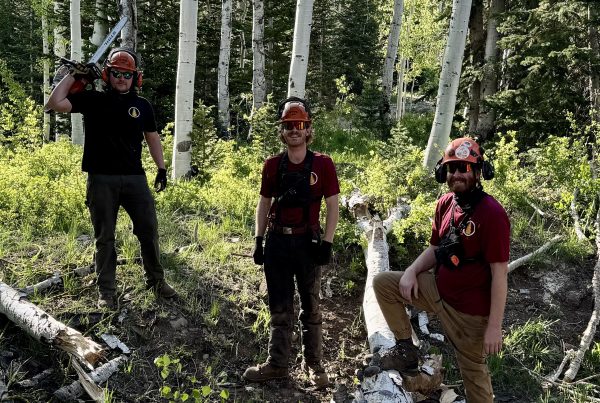
Forestry work in the Wasatch and Uinta Mountains frequently involves a mix of mechanical thinning, chainsaw work, and hand piling of slash for removal. When combined with firebreak construction along key ridgelines or access roads, these efforts give firefighters safer places to work if a wildfire does occur. For many properties, Canyon Cutters coordinates forest thinning with other forest management services, making sure erosion, wildlife habitat, and aesthetics are considered alongside fire.
Land Management For Wildfire Prevention
Land management for wildfire prevention blends science, local experience, and your goals for the property. In practical terms, this means scheduling recurring visits to maintain defensible space, managing invasive weeds that dry out early, and coordinating with nearby landowners and agencies. In Utah, public land managers provide helpful information on broader landscape patterns and projects.
Canyon Cutters brings land management expertise directly to private properties. Through services described in their articles on land management strategies and services and related guides, they help homeowners understand how vegetation management and fuel load reduction fit into the bigger picture. This long range view is especially important for wildland fire preparedness in Park City Utah, where changing climate and land use patterns affect risk every year.
When landowners and professionals work together across property lines, the result is a more connected fire safe community. Shared trails, common open space, and utility corridors can all become strategic locations for fuel treatments that support Wasatch Mountains wildfire safety goals.
Slope Erosion Control And Property Rehabilitation
After major tree removal or heavy thinning, slope erosion control becomes an important focus. Exposed soils on steep terrain can wash away during thunderstorms or rapid snowmelt. Canyon Cutters helps address this challenge through Erosion/Drainage Construction Solutions, thoughtful seeding, and mulching where appropriate.
Property Rehabilitation ties all of this together. After fire mitigation work, the team can re grade minor disturbances, remove slash, and restore access routes. In some cases, they plant new, better positioned trees or shrubs that support long term land management goals. These services help maintain both Uinta Mountains fire mitigation benefits and the long term stability of your lot.
Year Round Property Care And Fire Risk
Storm Cleanup And Fire Risk
High elevation properties experience intense storms. Wind events, heavy snow, and wet spring storms all drop branches and sometimes entire trees. If this debris is left in place, storm cleanup and fire risk quickly become linked. Downed limbs act as additional surface fuel, and partially broken branches can later fall and block access when you most need clear roads.
Canyon Cutters integrates Storm Cleanup work with fire mitigation goals. Their crews remove damaged limbs, perform dead tree removal when necessary, and use Wood Chipping and chipping and hauling to keep slash from accumulating in piles. By connecting post storm work with longer term wildfire risk management, you get more value from each visit and keep your property safer year round.
For more ideas on storm related recovery, Canyon Cutters shares insights in their article on storm cleanup services, tips, and recovery strategies, which pairs well with fire focused planning.
Snow Removal And Emergency Access
While snow can temporarily lower fire danger, winter maintenance still affects safety during shoulder seasons. Snow piles that block hydrants, propane tanks, or key access points can slow response times during late fall or early spring fires. Professional Snow Removal helps keep access open for both residents and emergency vehicles.
Canyon Cutters provides Snow Removal along with related services such as clearing parking areas and managing ice buildup. Their resources on snow removal services in Park City and sidewalk snow removal equipment for Park City homes explain how proper winter care can also support emergency access. In communities where ski runs cross roads and driveways, keeping surfaces clear and well marked is an important part of overall wildland fire safety.
Ski Trails, Scenic Views, And A Fire Safe Community
Clearing Trails for Ski in & Ski Out is one of the most visible services that Canyon Cutters offers. Thoughtful alignment and maintenance of these trails can also contribute to firebreak construction and improved visibility for both residents and responders. When trails are kept clear of deadfall and heavy brush, they can serve as access routes or partial fuel breaks during an incident.
Many homeowners want both scenic views and a safe setting. Canyon Cutters works to balance these goals by integrating fire mitigation with trail work, Tree Pruning, and Land Management. Over time, this blend of recreation and risk reduction supports a stronger fire safe community across Park City and Heber City neighborhoods.
Getting Started With Canyon Cutters Wildfire Risk Management
Scheduling A Property Wildfire Assessment
The first practical step for many families is to schedule a property wildfire assessment with a trusted local team. A good assessment examines structures, vegetation, access, and surrounding terrain. The findings help prioritize which actions will deliver the biggest safety gains for the least cost and disruption.
Canyon Cutters offers property wildfire assessment visits tailored to Park City and Heber City layouts. During these visits, they examine defensible space, ladder fuels, and access constraints, then recommend a phased plan. This plan might start with wildfire fuel reduction close to the home, move outward to Land Management work near property boundaries, and eventually tie into broader community projects.
What To Expect During Your First Visit
During the first visit, you can expect a walk through of the property, discussion of your goals, and identification of quick wins. Often, the crew will point out simple tasks such as moving combustible items, trimming a few low branches, or relocating firewood. They will also flag more complex items that fit better under professional services such as Fire Mitigation, Tree Removal, or Stump Grinding.
This collaborative approach respects your knowledge of the property while adding technical expertise. The result is a tailored plan that explains how specific actions contribute to wildland fire preparedness, wildland urban interface fire safety, and broader wildfire risk reduction across your neighborhood.
Long Term Wildfire Risk Management Plan
Wildfire mitigation is most effective when it is part of a long term wildfire risk management plan. This plan might include annual Land Management visits, scheduled Tree Pruning for clearance along driveways, and periodic reviews of your wildfire evacuation plan. It should also account for large projects such as removing aging trees, upgrading materials for home hardening, or expanding defensible space.
Because Canyon Cutters provides a broad range of forest management services, including Land Management, Fire Mitigation, Storm Cleanup, and Property Rehabilitation, they can help you schedule work across several years. This phased strategy spreads costs, maintains aesthetics, and steadily improves safety for you and your neighbors.
Frequently Asked Questions
▾ What is the most important first step in wildland fire preparedness?
The most important first step in wildland fire preparedness is to look closely at the first five feet around your home. Remove combustible items such as firewood, lumber, and dry shrubs from this zone, clean gutters, and ensure that ground cover near the house is made from noncombustible materials whenever possible. This simple focus greatly improves home wildfire protection against drifting embers.
▾ How often should I update my defensible space and landscaping?
Most properties benefit from a defensible space review at least once a year, with smaller maintenance tasks completed each season. Spring is ideal for assessing winter damage, while late summer is a good time to evaluate whether brush clearing, fuel load reduction, or additional firewise landscaping is needed before peak fire conditions arrive.
▾ Do I really need professional help, or can I do everything myself?
Homeowners can handle many tasks, including basic vegetation management and small pruning jobs. However, steep slopes, large trees near structures, and complex access points often call for professional fire mitigation services. Working with a local company such as Canyon Cutters for Tree Removal, Land Management, and Fire Mitigation ensures that high risk work is performed safely and according to best practices.
▾ How does wildfire preparedness differ for vacation homes and rentals?
For second homes and rentals, you may not be present when a fire starts. Emergency wildfire preparedness for vacation homes includes clear instructions for guests, remote monitoring where possible, and a written wildfire evacuation plan posted inside the property. Regular visits from a local provider such as Canyon Cutters help keep defensible space, access routes, and storm damage under control even when you are away.
▾ What role do neighbors and community programs play in wildfire safety?
No property exists in isolation in the wildland urban interface. When neighbors work together on shared driveways, open space, and coordinated defensible space planning, the entire area becomes more resilient. Community efforts such as neighborhood cleanup days and local education sessions can turn individual actions into a stronger fire safe community across the hillside.
▾ How can I tell if my property needs more wildfire fuel reduction?
If trees or shrubs touch each other, branches hang low over roofs, or there is a thick carpet of dead needles and branches under your trees, your property probably needs more wildfire fuel reduction. A property wildfire assessment from Canyon Cutters can pinpoint specific areas where brush clearing, forest thinning, and land clearing for fire safety would have the greatest impact.
▾ Does storm cleanup really affect future fire risk?
Yes. Storms often drop branches and topple weakened trees. If this material is left in place, it adds to surface fuel and can increase both flame length and crown fire risk during future events. Prompt Storm Cleanup that includes chipping and hauling or Dump Truck Hauling keeps fuels from accumulating and supports long term wildland fire safety.