Tree cutting is an essential service for maintaining safe and thriving landscapes throughout the varied elevations of Utah. For property owners situated near the bustling ski resorts of Park City and Heber City, managing timber and brush directly impacts both safety and property value. This detailed guide explores vital land management practices, fire mitigation strategies, and the complete array of arborist solutions needed to protect your mountain home.
Table of Contents
- Understanding Complete Arborist Solutions
- Property Management in Park City and Heber City
- The Tree Removal Process
- Fire Mitigation in the Wasatch and Uinta Mountains
- Land Management and Property Rehabilitation
- Specialized Services for Ski Resorts and Slopes
- Storm Cleanup and Drainage Solutions
- Tree Pruning and Stump Grinding Techniques
- Frequently Asked Questions
Understanding Complete Arborist Solutions
The mountainous terrain of Utah presents unique challenges for property owners. High altitudes, heavy snowfall, and fluctuating temperatures create an environment where vegetation requires constant monitoring. A proactive approach to tree health and structural integrity is the best way to prevent property damage and encourage healthy forest growth. Professional arborist services involve a deep understanding of local tree species, soil conditions, and environmental factors that influence tree vitality. Whether dealing with native aspens, spruces, or pines, each species requires specific care protocols to thrive in challenging alpine climates. By investing in professional care, you actively contribute to the overall health of the local ecosystem while securing your own property lines.
Homeowners often underestimate the complex biology of mature trees. A tree that appears healthy on the outside might be suffering from internal rot, root disease, or pest infestations. Trained professionals possess the necessary skills to identify these hidden dangers before they result in catastrophic failure. Regular inspections help identify structural weaknesses that could become severe hazards during heavy winter storms or high wind events. Addressing these issues early through targeted treatments or strategic removal is the most effective way to manage your landscape. For those managing extensive lots, partnering with experts for complete land management ensures that every aspect of the property remains safe and visually appealing year after year.
Beyond simple maintenance, professional arbor care encompasses a wide range of specialized services designed to handle every aspect of vegetation control. From the initial planting stages to emergency removal, having a reliable team available makes property ownership in the mountains significantly less stressful. Safety is the primary concern in all arborist operations. Handling heavy equipment, working at extreme heights, and managing massive sections of timber require strict adherence to industry safety standards. For instance, guidelines published by the Occupational Safety and Health Administration dictate strict safety protocols for tree care operations to protect both the workers and the surrounding structures. Canyon Cutters adheres to all necessary safety measures to provide peace of mind during complex projects.
Property Management in Park City and Heber City
Canyon Cutters is locally owned and operated right in Park City, Utah. The business puts a primary focus on homes and property located on and near the ski resorts of Park City. Because the team lives and works in the same environment as their clients, they understand the exact environmental pressures facing local properties. The transition from summer growth to harsh winter conditions requires landscapes to be well prepared to handle heavy snow loads and freezing temperatures. Canyon Cutters offers a complete arborist solution for residents of Park City and Heber City, Utah, ensuring that properties of all sizes receive top tier attention.
Focusing on Ski Resort Properties
Properties located near ski resorts face strict zoning regulations and aesthetic standards. Homeowners associations and local municipal codes often dictate how vegetation must be managed to maintain the natural beauty of the area while minimizing risks to neighboring structures. Balancing these aesthetic desires with practical safety requirements takes significant expertise. Trees that block scenic views or threaten power lines need to be managed carefully to preserve the character of the property. The unique topography of ski resort communities often means that homes are built on steep slopes or in densely wooded areas, making standard maintenance tasks highly complex.
Year Round Property Care
Effective property management in Summit and Wasatch counties is not a seasonal task. It requires a year round commitment to monitoring and adjusting to environmental changes. During the spring, rapid snowmelt can reveal damaged branches or weakened root systems. Summer brings the critical need for watering strategies and fire prevention tactics. Fall is the ideal time for structural pruning and preparing the landscape for incoming storms. Finally, winter demands immediate responses to snow accumulation and ice damage. Relying on a dedicated local team ensures that your property receives the exact care it needs exactly when it needs it. To begin planning your seasonal maintenance, contact Canyon Cutters to schedule a detailed site evaluation today.
The Tree Removal Process
There are many reasons why a tree might need to be completely removed from a property. While preserving plant life is always the primary goal of any arborist, dead, diseased, or dying trees pose unacceptable risks. Structural instability caused by root damage, severe weather events, or age can turn a majestic pine into a massive liability. Additionally, new construction projects or landscape renovations often require clearing existing vegetation. No matter the reason, the process must be handled with precision and care to prevent damage to nearby structures, utility lines, and healthy plants.
Assessing the Hazard
The first step in any tree removal operation is a thorough hazard assessment. Professionals examine the tree for signs of internal decay, fungal growth, and insect infestations. They evaluate the lean of the trunk, the density of the canopy, and the stability of the surrounding soil. This evaluation determines the safest approach to bringing the tree down. In tight residential spaces, simply dropping the tree in one piece is rarely an option. Instead, the tree must be carefully dismantled piece by piece. This technique requires skilled climbers, specialized rigging equipment, and precise communication among the ground crew.
Rigging and Dismantling Techniques
Dismantling a large tree in a confined area is a highly technical operation. Arborists use advanced rigging systems involving ropes, pulleys, and friction devices to lower heavy branches and trunk sections safely to the ground. This prevents massive impacts that could damage landscaping, driveways, or underground utilities. The climber carefully plans each cut, considering the weight and balance of the wood before securing it to the rigging line. Once the section is cut, the ground crew controls its descent, guiding it to a designated drop zone. This meticulous process ensures that even the largest trees can be removed from the most challenging locations without incident.
Wood Chipping and Dump Truck Hauling
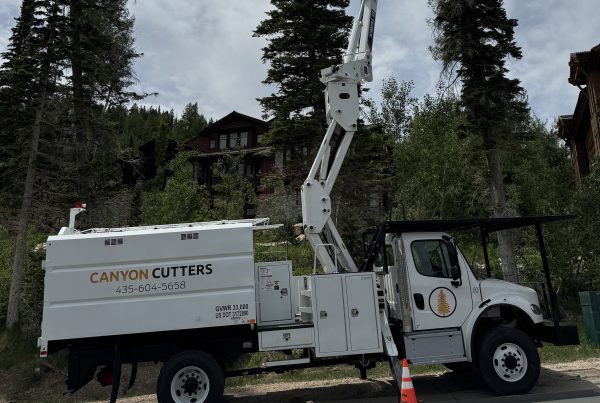
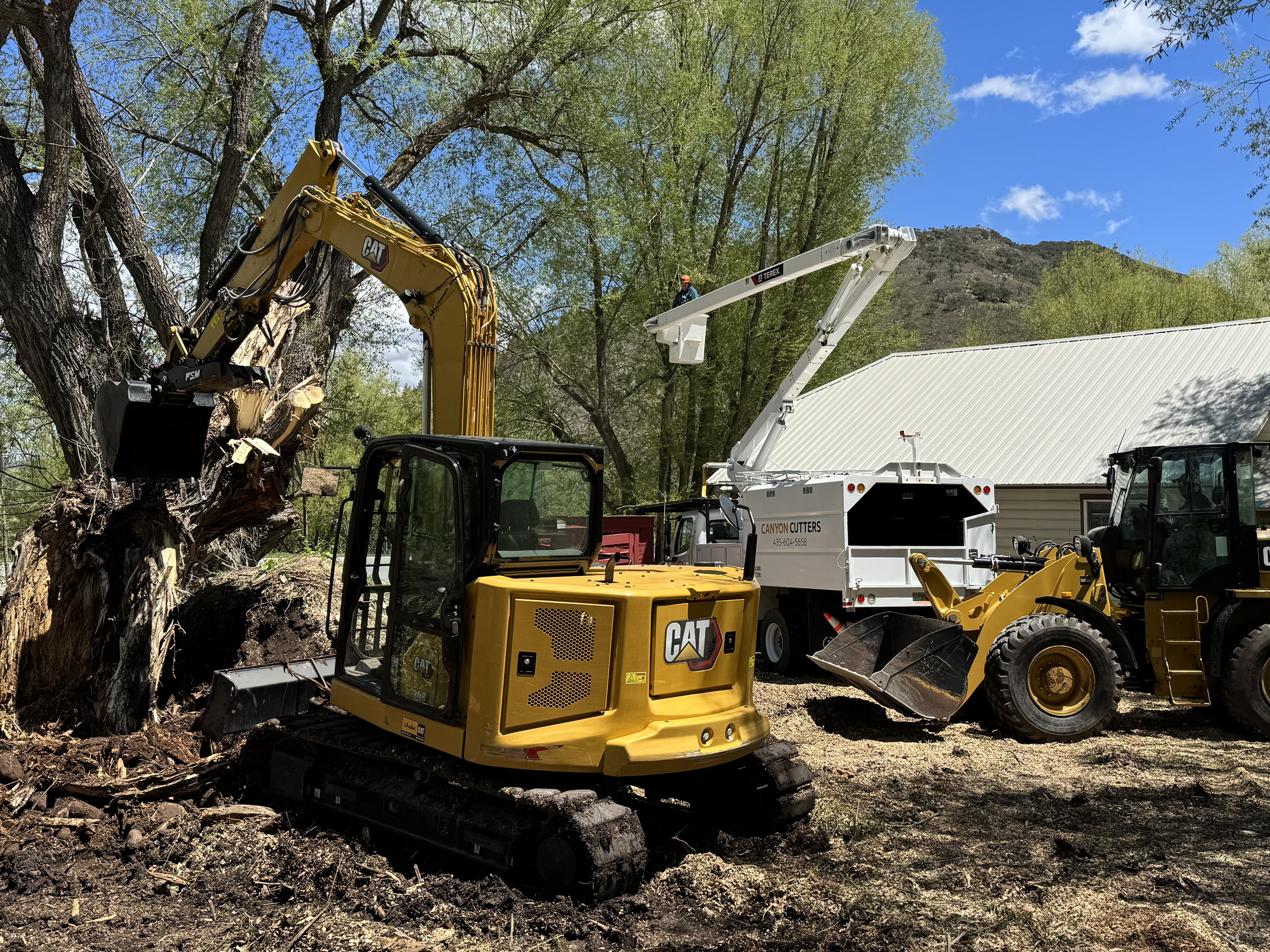
Once the tree is safely on the ground, the cleanup process begins. Leaving massive amounts of debris on a property is unsightly and creates a fire hazard. Canyon Cutters utilizes heavy duty wood chippers to process branches and brush quickly. Wood chipping is an excellent way to recycle organic material back into the landscape as nutrient rich mulch. Mulch helps retain soil moisture, suppress weeds, and regulate soil temperature. For larger logs and excess debris that cannot be chipped, dump truck hauling services ensure the property is left clean and clear. The efficient removal of all green waste is a crucial part of completing the job to the highest professional standards.
Fire Mitigation in the Wasatch and Uinta Mountains
Wildfires are a natural and necessary part of forest ecosystems, but they present a severe threat to human settlements built within the wildland urban interface. The dry summers and abundant fuel sources in Utah create conditions where fires can start easily and spread rapidly. Canyon Cutters specializes in Forestry applications for Fire Mitigation work needed in the Wasatch and Uinta Mountains. Protecting your property requires a proactive approach to fuel reduction and landscape design. Creating defensible space is the most critical action a homeowner can take to increase the chances of their home surviving a wildfire event.
Creating Defensible Space
Defensible space is the buffer you create between a building on your property and the grass, trees, shrubs, or any wildland area that surround it. This space is needed to slow or stop the spread of wildfire and it helps protect your home from catching fire either from direct flame contact or radiant heat. Maintaining proper distance between vegetation and structures is crucial, a standard supported by guidelines from the United States Forest Service for preventing wildland fires. Defensible space is typically divided into distinct zones, each requiring specific management strategies.
The immediate zone, closest to the house, requires the most aggressive clearing. This area should be free of highly flammable vegetation, dead leaves, and pine needles. The intermediate zone focuses on thinning out trees and brush to prevent fire from moving quickly through the canopy. The extended zone involves general forest management practices to reduce overall fuel loads. Implementing these strategies requires a deep understanding of local topography, prevailing wind patterns, and the flammability of different plant species.
Removing Ladder Fuels
One of the primary goals of fire mitigation is the elimination of ladder fuels. Ladder fuels are low growing plants, shrubs, and low tree branches that allow a fire to climb from the forest floor into the tree canopy. Once a fire reaches the canopy, it spreads much faster and is significantly harder for firefighters to control. By clearing brush and pruning the lower branches of mature trees, arborists disrupt the vertical continuity of the fuel, keeping fires closer to the ground where they are less destructive. This process not only protects your home but also improves the overall health of the forest by reducing competition for sunlight and water.
Land Management and Property Rehabilitation
Owning large plots of land in the mountains requires ongoing maintenance to prevent the property from becoming overgrown and unusable. Unmanaged land quickly succumbs to invasive weed species, dense thickets of brush, and accumulated deadwood. This not only diminishes the visual appeal of the property but also restricts access and increases the risk of pest infestations. Canyon Cutters provides comprehensive land management solutions to help property owners maximize the utility and beauty of their acreage. From initial clearing to long term health monitoring, expert intervention transforms wild lots into structured, accessible landscapes.
Property Rehabilitation Strategies
Neglected properties often require extensive rehabilitation to restore their ecological balance and aesthetic value. Property rehabilitation begins with a thorough assessment of the current vegetation and soil conditions. Arborists work to identify and remove invasive species that choke out native plants. Dead and diseased trees are carefully felled and processed to open up the canopy, allowing sunlight to reach the forest floor. This renewed sunlight stimulates the growth of healthy grasses and native wildflowers. The rehabilitation process also involves stabilizing disturbed soils and implementing strategies to prevent future overgrowth, ensuring the property remains manageable for years to come.
Thinning and Spacing for Forest Health
In densely wooded areas, trees constantly compete for limited resources like water, nutrients, and sunlight. This intense competition can lead to stunted growth, weakened root systems, and increased susceptibility to disease. Selective thinning is a critical land management practice that involves removing weaker, poorly formed trees to benefit the stronger, healthier ones left behind. Proper spacing allows the remaining trees to develop robust canopies and expansive root systems. Information provided by the Utah State University Forestry Extension details how strategic forest thinning significantly improves the long term resilience of mountain timberlands. This practice enhances the visual appeal of the property while actively promoting a more vigorous and disease resistant forest.
Specialized Services for Ski Resorts and Slopes
The operational demands of ski resorts and the properties immediately surrounding them are vastly different from standard residential areas. Maintaining clear, safe pathways for skiers and snowboarders requires specialized equipment and a deep understanding of winter terrain. Obstacles hidden beneath the snow or low hanging branches can present serious safety hazards. Professional arborists play a crucial role in preparing these areas before the first snowfall and maintaining them throughout the busy winter season.
Clearing Trails for Ski In and Ski Out
For properties boasting ski in and ski out access, maintaining these trails is a top priority. Overgrown brush, fallen logs, and low hanging branches can quickly obstruct these pathways, making them difficult and dangerous to use. Clearing trails for ski in and ski out involves meticulous removal of vegetation that encroaches on the designated paths. This process not only improves the safety and functionality of the trails but also enhances the overall skiing experience by providing clear sightlines and unobstructed movement. Arborists carefully grade the surrounding vegetation to prevent future overgrowth and ensure the trails remain wide and accessible throughout the entire winter season.
Winter Snow Management
Heavy snowfall in Park City and Heber City is a given, and managing that snow is critical for property access and structural integrity. Excessive snow accumulation on roofs, driveways, and private roads can lead to severe damage and restrict emergency vehicle access. While trees require care, the physical infrastructure of a property also needs protection from winter elements. Professional snow removal services ensure that driveways are clear, roofs are relieved of dangerous weight loads, and pathways remain safe for pedestrian traffic. Utilizing heavy equipment like plows and snowblowers, combined with precise manual clearing, provides a complete winter maintenance solution for mountain properties.
Storm Cleanup and Drainage Solutions
Mountain weather is notoriously unpredictable. Severe thunderstorms, high winds, and heavy blizzards can cause immense damage to trees and landscapes in a matter of minutes. When disaster strikes, immediate response is required to clear roads, secure damaged structures, and remove fallen timber. Beyond the immediate cleanup, managing the massive amounts of water generated by storms and melting snow is vital to preventing long term property damage.
Emergency Storm Response
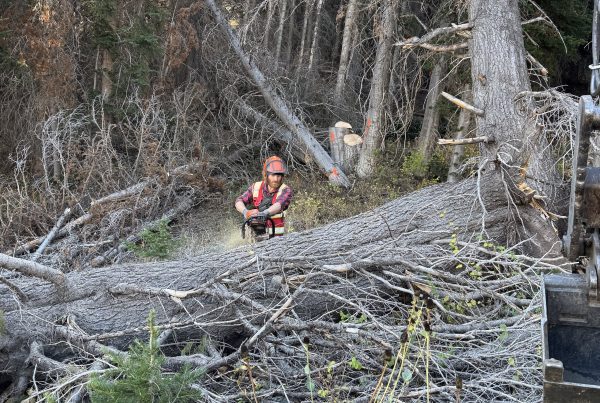
After a severe weather event, shattered branches and uprooted trees create hazardous conditions. Storm cleanup requires rapid deployment of experienced crews and heavy equipment. Arborists must carefully assess tangled debris to determine the safest way to cut and remove the tensioned wood. Cutting a fallen tree that is under pressure from other branches or resting on a structure is incredibly dangerous and requires advanced knowledge of physics and wood mechanics. Fast and efficient cleanup restores access to your property and mitigates further damage from lingering hazards. If you are dealing with the aftermath of a severe weather event, securing professional help immediately is critical.
Erosion and Drainage Construction Solutions
The steep gradients found in Park City and the Wasatch Mountains make properties highly susceptible to soil erosion, especially during the spring runoff or heavy summer rains. Uncontrolled water flow can wash away topsoil, undermine foundations, and damage root systems. Implementing effective erosion and drainage construction solutions is essential for stabilizing the landscape. This may involve constructing retaining walls, installing French drains, grading the soil to direct water away from structures, and planting deep rooted vegetation to hold the earth in place. The Federal Emergency Management Agency frequently emphasizes the importance of proper grading and drainage to prevent catastrophic property damage during flood events. Proper water management protects both the structural integrity of your home and the health of your valuable trees.
Tree Pruning and Stump Grinding Techniques
Routine maintenance is the cornerstone of responsible landscape management. Two of the most common and necessary services provided by arborists are pruning existing trees and grinding away the remnants of removed ones. Both practices require specialized tools and an understanding of how to minimize impact on the surrounding environment while achieving the desired aesthetic and practical results.
Professional Tree Pruning
Pruning is much more than simply cutting off random branches. It is a precise science aimed at improving the health, structure, and appearance of a tree. Improper pruning techniques, such as topping, can cause irreversible damage, leading to disease, weak regrowth, and premature death. Expert tree pruning involves several different methods depending on the goal. Crown cleaning removes dead, diseased, or broken branches. Crown thinning selectively removes interior branches to increase light penetration and air movement, which reduces the risk of fungal diseases. Crown raising involves removing lower branches to provide clearance for pedestrians, vehicles, or buildings. Furthermore, organizations like the Arbor Day Foundation provide extensive guidelines proving that correctly pruned trees live longer and resist storm damage far better than neglected ones. Each cut is made strategically, just outside the branch collar, to allow the tree to heal quickly and properly.
Complete Stump Grinding
After a tree is removed, the remaining stump is often an eyesore and a functional nuisance. Stumps take up valuable landscape space, present significant tripping hazards, and can damage lawnmowers and other landscaping equipment. Furthermore, decaying wood in the ground attracts destructive pests like termites and carpenter ants, which can eventually migrate to your home. Stump grinding is the most efficient method for completely removing these remnants. Powerful grinding machinery reduces the stump and major surface roots into small wood chips. This process leaves the area flat and ready for replanting, sodding, or new construction. It is a vital final step in the complete tree removal process, ensuring the property is left clean, safe, and ready for future use.
Frequently Asked Questions
What is the best time of year to schedule arborist services?
While emergency removals and storm cleanup happen year round, the dormant season during late fall and winter is generally the best time for routine pruning and large scale removals. Trees are less susceptible to stress and disease transmission when they are dormant. Additionally, the lack of foliage makes it easier for arborists to see the structural framework of the branches.
How close to my house should vegetation be cleared for fire safety?
The immediate defensible space zone typically extends zero to five feet from the exterior of your home. This area should be completely free of highly flammable materials, including dead leaves, pine needles, and dense brush. The intermediate zone extends from five to thirty feet, where trees should be spaced out and lower branches pruned to eliminate ladder fuels.
What happens to the wood and brush after a project is finished?
Canyon Cutters processes most of the smaller branches and brush on site using industrial wood chippers. The resulting mulch can be left on your property for landscaping use or hauled away. Larger logs and massive amounts of green waste are removed using heavy duty dump truck hauling services, leaving your property completely clean.
How do I know if a tree needs to be pruned or completely removed?
Signs that a tree might need removal include significant leaning, deep cracks in the main trunk, large dead branches in the upper canopy, or fungal growth near the base of the tree. A professional arborist can perform a hazard assessment to determine if the tree can be saved through strategic pruning and cabling, or if removal is the safest option.
Does Canyon Cutters provide emergency services after winter storms?
Yes, Canyon Cutters offers rapid emergency storm cleanup and snow removal services. Heavy snow loads, ice dams, and high winds frequently cause severe damage to mountain properties. The team is equipped to handle dangerous fallen timber, clear blocked driveways, and address urgent drainage issues quickly and safely.