Loading…
Loading

 Douglas LivaUT-4717AJohn HillUT-383707AJesse GardnerUT-380938ARobert ValenciaUT-391234A
Loading
Seasonal & Storm Preparedness
November 23, 2026
Five cheap fixes to put on before the snow: fences, vole guards, salt screens, trunk wrap and one deep watering.
Most winter tree damage in Park City is done by five things: moose and deer browsing, voles chewing bark under the snow, road salt, winter sun on thin bark, and dry soil. Each has a cheap fix that has to go on before the damage, which means late November. This checklist draws on Utah State University Extension and Utah Division of Wildlife Resources guidance.
Utah DWR estimates the state has 2,500 to 3,000 moose, and in winter they live on bark and twigs. KPCW reported in May 2026 that moose are turning up more often in Park City neighborhoods. Mule deer follow: USU notes that deer move down to the foothills next to town in late November, when natural food runs short.
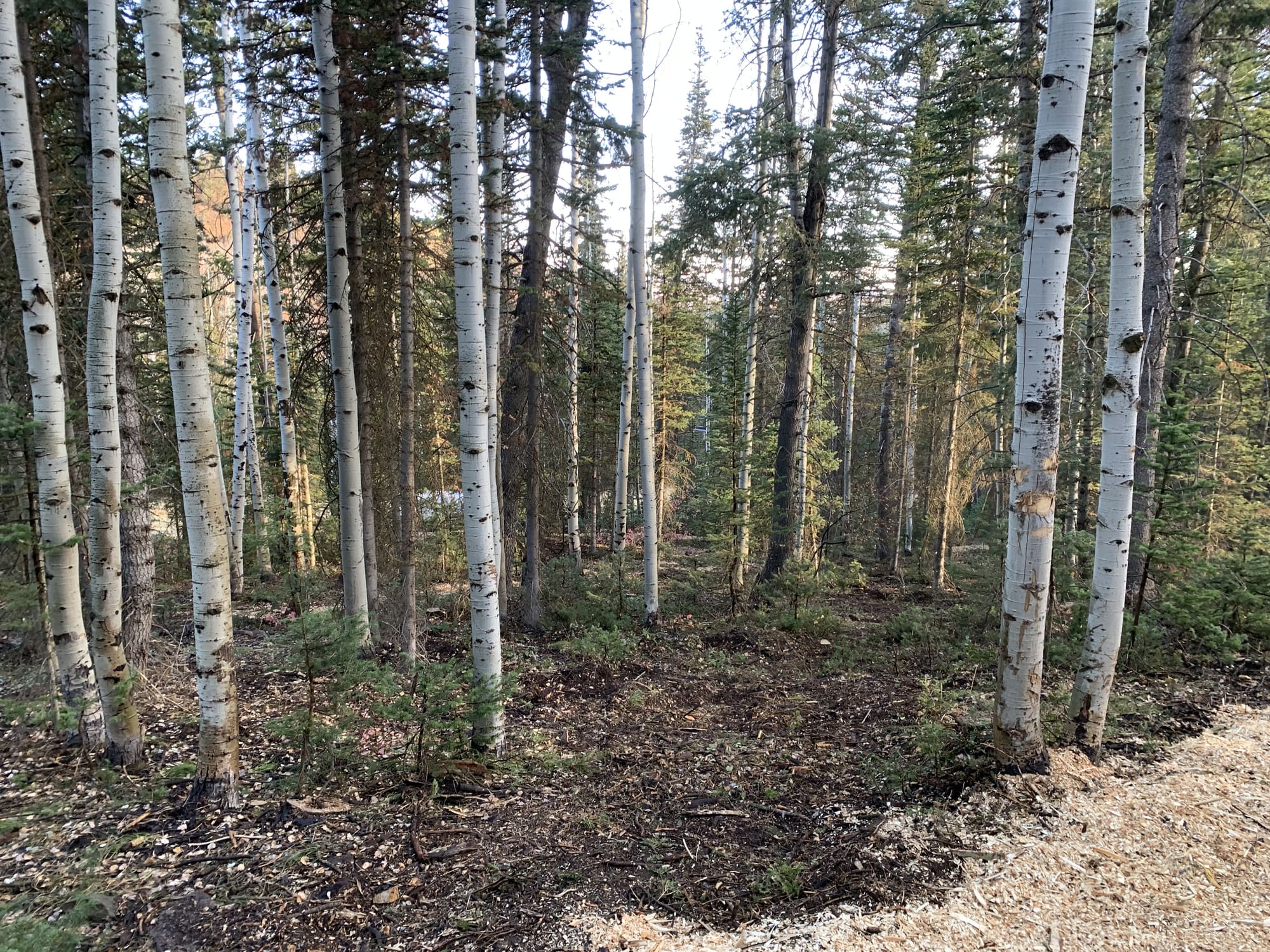
What deer go for, per USU Extension: quaking aspen, apple, arborvitae, Rocky Mountain juniper, Austrian and Scots pine. Spruce, Douglas-fir and oaks are low on their menu; firs and maples rank low to medium. USU’s list covers deer; no source we found ranks moose preferences, so protect aspen and fruit trees from both.
How to protect trees:
Stay safe around moose.DWR’s rule is simple: “Never try to approach or feed a moose.” Do not try to herd one out of your yard, and keep dogs away; it is against Utah law to let dogs chase or harass protected hoofed wildlife. DWR asks residents to report a moose that wanders into city limits or a busy neighborhood; its main line is 801-538-4700.
Voles travel under the snow cover and gnaw bark at ground level all winter. USU Extension notes the damage is usually found in spring, when snowmelt reveals runways 1 to 2 inches wide and patchy gnaw marks on the trunk. A young tree girdled more than halfway around has a low chance of survival.
Deicing salt hurts trees two ways. Spray from passing traffic browns needles and kills buds on the road-facing side, and salt in the soil causes drought-like scorch. USU Extension’s plant pest guide shows salt damage on aspen, pine and yew. Penn State Extension notes that spray can drift up to 1,000 feet.
The symptoms often wait until late winter or spring, which is why salt browning gets mistaken for disease. If only the road side of an evergreen is brown, salt is the first suspect; our spruce diagnosis guide covers the other causes.
On a cold, sunny day the south side of a trunk can run up to 77°F warmer than the north side, according to USU. Thin bark thaws, then freezes at sunset, and the tissue dies in a long strip. Young, thin-barked trees are most at risk, and USU’s list of susceptible species includes aspen, maple, apple, cherry, crabapple, birch, linden and willow.
Dry winters stress evergreens, which keep losing water through their needles. USU Extension advises watering about once a month in a dry winter when it is above 40°F and there is no ice. Colorado State Extension adds two details: water at midday so it soaks in before night, and use about 10 gallons per inch of trunk diameter. More detail is in our deep-watering guide.
Away for the winter? Our absentee owner guide covers who checks on the property while you are gone.
Fence or cage the trees most at risk, mainly aspen and fruit trees, and guard young trunks. Never approach or feed a moose.
Yes. A young tree girdled more than halfway around has a low chance of survival. Hardware cloth guards prevent it.
It can, through needle and bud damage from spray and through salt buildup in soil. Symptoms often show in spring.
In spring, around mid-April. USU warns that wrap left on into the growing season can harbor pests.
We prune storm-prone limbs and check spring browning on site. Contact us or call (201) 960-8275. See our tree pruning service for what a visit includes.
Tags
Free Consultation
Tell us about your land and we'll set up a free on-site visit and walk it with you.
ISA Certified Arborist · Licensed & insured · Free, no-obligation estimates