
A tree removal company can be the difference between a clean, controlled project and a stressful mess, especially on steep Park City, Utah terrain near ski resorts where wind, snow load, and tight access raise the stakes. Canyon Cutters is locally owned and operated in Park City, and we built our crews, equipment, and process around mountain homes, ski in and ski out properties, and the mixed forest conditions found across the Wasatch Mountains and Uinta Mountains.
If you are deciding whether to remove a risky tree, clean up storm damage, thin fuels for wildfire risk, or rebuild a slope after heavy equipment work, this guide walks you through what to look for, what questions to ask, how pricing works, and how a professional job should protect your home, driveway, landscaping, and drainage. Along the way, you can explore our full service list on our Services page and request an on site evaluation through our Contact page.
Table of Contents
- Why hiring the right tree removal company matters in Park City and Heber City
- Signs a tree may need removal
- Remove, prune, or manage: making the right call before you cut
- Permits, rules, and neighbor considerations in Utah mountain towns
- How a professional tree removal job works
- Safety, insurance, and qualifications checklist
- Tree removal cost factors and how estimates should be built
- Protecting your home, landscaping, and drainage during removal
- Stump grinding and what to do after a tree comes down
- Debris handling: wood chipping, hauling, and responsible disposal
- Fire mitigation and forestry work in the Wasatch and Uinta Mountains
- Storm cleanup and emergency tree removal
- Year round support for resort properties and mountain homes
- Why Canyon Cutters fits Park City and Heber City properties
- FAQs
Why hiring the right tree removal company matters in Park City and Heber City
In a flat neighborhood, removing a tree is already serious work. In Park City and the surrounding areas, a tree removal company has to plan for slope angles, limited staging space, fragile mountain soils, snow season access, and the reality that many properties sit close to ski resort corridors or private ski access routes. One miscalculation can damage a roof, crush a retaining wall, tear up a driveway edge, or trigger erosion that becomes a spring runoff problem.
Mountain property risks that change everything
Mountain trees grow in conditions that can hide risk. Heavy snow loads can slowly bend stems and widen cracks over time. Wind exposure on ridgelines can create one sided canopies and weak attachment points. Freeze and thaw cycles can loosen root plates, especially where soils are shallow over rock. The result is that a tree can look fine from one angle but be unstable when you consider lean, roots, and target areas like roofs, decks, hot tubs, and steep driveways.
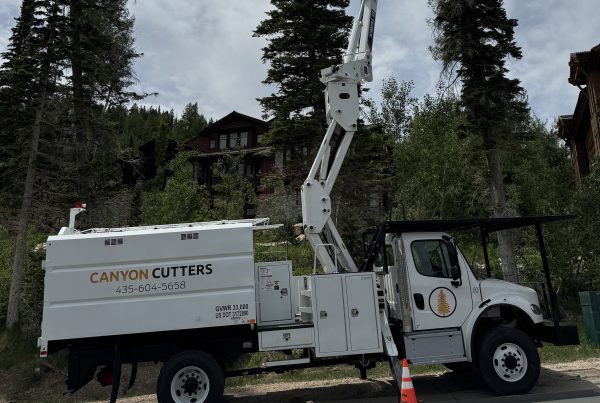
A professional crew should be ready to work in technical terrain, protect fragile areas, and use the right approach for each tree. That might mean sectional removal with rigging, a climber, a bucket truck, or specialized equipment when access is tight. If you want a quick overview of the work types we bring to mountain properties, start with our Gallery and Before After page to see what controlled removal and cleanup should look like.
Ski resort access, tight roads, and seasonal timing
Homes on and near the ski resorts of Park City often have narrow roads, limited turnarounds, shared driveways, and strict snow season access needs. Sometimes the safest removal path is not straight down. It is a controlled sequence of cuts that keeps material away from ski access routes, snow storage areas, and sensitive landscaping. That is why planning and staging matter as much as cutting.
If your property includes private ski routes or you want to keep ski access clean and safe, removal may pair naturally with trail clearing. Canyon Cutters can combine tree removal with Clearing Trails for Ski in and Ski Out to open lines, reduce hazards, and keep access predictable in winter.
Why local experience matters
Canyon Cutters is locally owned and operated in Park City, Utah. Local knowledge is practical, not just a slogan. It means understanding mountain weather patterns, seasonal constraints, common tree species, and how properties are built on slopes. It also means knowing that many homeowners and property managers want a full solution, not a one off cut.
That is why we offer a complete arborist solution for residents of Park City and Heber City, Utah, including tree removal, tree pruning, stump grinding, wood chipping, dump truck hauling, storm cleanup, erosion and drainage construction solutions, fire mitigation, land management, and property rehabilitation. You can see the full list on our Services page and meet the crew on our Team page.
Signs a tree may need removal
Tree removal is permanent, so the goal is to remove only what truly needs to come down. The best tree removal company will explain why a tree is risky, what alternatives exist, and what the plan is for protecting your property during the work. Below are common situations where removal becomes the safest path.
Dead or dying trees and visible decline
Dead trees can fail without warning. In mountain areas, a dead conifer can hold needles long enough to look stable, then suddenly drop large sections when snow or wind hits. Signs that deserve a professional look include a thinning canopy, large areas of dead branches, bark peeling with exposed wood, or fungus growth at the base. If you are seeing multiple declining trees, it can also be useful to consider forest health planning and fuel reduction, not just single tree removal.
Utah forests include a mix of types and species, and understanding what you have on your property helps you plan. For a helpful overview of Utah forest types, you can reference Utah State University Extension’s introduction to Utah forest types.
Structural defects and failure risk
Some trees are alive but structurally compromised. Examples include long vertical cracks, a severe lean that has recently increased, large cavities, or multiple stems with weak connections. A tree can also develop included bark where two stems press together, creating a weak seam that can split under load. In Park City, wind exposure and snow load often reveal these problems faster.
Risk assessment is a specialty area in arboriculture. The ISA Tree Risk Assessment Qualification (TRAQ) is one well known program that trains professionals to evaluate tree risk using a standardized process. Even if you never ask about credentials, you can still ask your contractor to explain what defects they see and what targets could be impacted if the tree fails.
Storm damage, snow load, and lightning impacts
Storm damage in the mountains is not always obvious from the ground. Snow load can crack branches high in the crown. Wind can twist stems and create hidden fractures. Lightning can strip bark and disrupt the tree’s internal structure, increasing long term failure risk. After a major weather event, it is smart to walk your property carefully, then schedule professional help if anything looks unsafe.
If you want a Park City focused resource for post storm priorities, see our storm cleanup resources in the Storm Cleanup category and our guide to Storm debris cleanup in Park City and Heber City.
Construction, views, and driveway conflicts
Tree removal is sometimes needed because a tree is in the way of a remodel, a new driveway alignment, utility trenching, or a drainage rebuild. Other times, homeowners need to address a tree that is pushing against a retaining wall, lifting pavers, or shading a roof in a way that increases snow and ice issues.
In mountain communities, the right plan often blends removal with hauling, grading, and drainage improvements. If your project includes material removal or site prep, our Tree care and land management services in Park City page shows how we pair tree work with dump truck hauling and erosion and drainage construction solutions.
Wildfire fuels near the home ignition zone
On forested mountain lots, one of the most common reasons for tree removal is wildfire risk reduction. Trees that are too dense near the home, dead standing stems, and heavy surface fuels can allow fire to climb from the ground into the canopy. For many Park City and Heber City properties, reducing hazardous fuels is not just about one tree. It is about creating defensible space and improving forest structure across the area around the home.
For background on wildfire preparation concepts, the NFPA guidance on preparing homes for wildfire and the Utah Division of Forestry, Fire and State Lands wildfire preparedness resources are solid starting points.
Remove, prune, or manage: making the right call before you cut
A trustworthy tree removal company does not default to cutting. The best outcomes come from matching the problem to the right solution. Sometimes that is removal. Sometimes it is pruning. Sometimes it is long term land management that reduces hazards across the property.
When pruning solves the problem
If the tree is healthy but has a few risky limbs, pruning may reduce hazard while preserving shade and property value. Pruning can also improve clearance over driveways and reduce snow load issues by removing weak, overextended limbs.
When you want to compare removal versus pruning, it helps to understand pruning timing and technique. For local education, Utah State University Extension’s pruning overview explains why dormant season pruning is often preferred for many trees. For Canyon Cutters service context, see our tree pruning information on The essential guide to tree pruning.
Tree risk assessment and qualified evaluation
Risk assessment is not just pointing at a tree and saying it looks bad. A solid evaluation considers likelihood of failure, the size of the part that could fail, and what it could hit. It also considers site conditions like soil saturation, slope, and root restrictions from construction.
If you want a contractor who uses a consistent approach to risk, ask whether they follow methods aligned with established programs such as ISA TRAQ. Even if you never request documentation, you can still expect clear explanations, photos, and a plan that matches the risk level.
Land management as a long term solution
On mountain properties, hazards rarely exist in isolation. Deadfall accumulates. Understory thickens. Drainage routes change. Snow storage areas shift. A tree removal company that also provides land management can keep small issues from becoming emergency problems later.
Canyon Cutters offers recurring land management for mountain lots, and we often pair it with fire mitigation, wood chipping, and hauling. If you are thinking about ongoing maintenance, start with our Land Management service overview and our local page for tree care and land management in Park City.
Permits, rules, and neighbor considerations in Utah mountain towns
Many removals on private property do not require special permits, but there are important exceptions. A tree removal company should help you think through whether the tree is truly yours to remove, whether it sits in a right of way, and whether your HOA or municipality has specific requirements. The safest approach is to confirm rules before work starts.
Park City rights of way and City trees
In Park City, tree rules can apply when the tree is on City property or within certain rights of way. If there is any doubt, it is worth checking City documents and contacting the appropriate City office. For example, Park City’s forestry planning documents describe permit considerations for cutting and removing trees on City controlled areas, which you can review in the City’s Forestry Plan ordinance document.
Practical tip: if the tree is between the sidewalk and the street, or very close to public infrastructure, treat it as a possible right of way issue until confirmed otherwise.
Heber City, HOAs, and private community rules
Heber City and private communities may have their own landscaping, tree preservation, and development requirements. Many ski focused HOAs also have strict rules about access windows, noise, and debris staging. If you manage a property with an HOA, the best practice is to confirm who approves removals and how debris must be staged and hauled.
Canyon Cutters regularly works with homeowners, HOAs, and property managers in Park City and Heber City. If you want to align expectations early, you can review our working terms on the Service Agreement page and then reach out through our Contact page to discuss timing and site constraints.
Utilities, easements, and call before you dig
Even if you are not digging, stump grinding and drainage work can disturb soil and utilities. Before any digging, trenching, or stump grinding near potential lines, it is smart to request utility marking. In Utah, you can start with Utah 811 to help reduce the risk of striking buried infrastructure.
Also remember overhead hazards. Trees near power lines require special caution and sometimes coordination with the utility provider. A tree removal company should never cut in a way that risks energizing branches or equipment through contact with lines.
How a professional tree removal job works
When you hire a tree removal company, you are not just paying for a saw. You are paying for planning, safety, controlled rigging, property protection, cleanup, and responsible hauling. A quality process should feel organized from the first visit to the final walk through.
Site walk, access plan, and protection prep
The job should start with a site walk that identifies targets and constraints. Targets include your home, windows, rooflines, decks, fences, hot tubs, retaining walls, and any critical landscaping you want protected. Constraints include slope angles, staging space, driveway grade, overhead lines, and where equipment can safely operate.
On mountain properties, protection prep matters. That can include mats to protect turf and soil, plywood shielding near fences, and a clear plan for where brush and logs will go. If the job will produce lots of material, pairing removal with tree branch haul away and dump truck hauling can keep the site orderly and reduce time on your driveway.
Rigging, sectional removal, and crane assistance
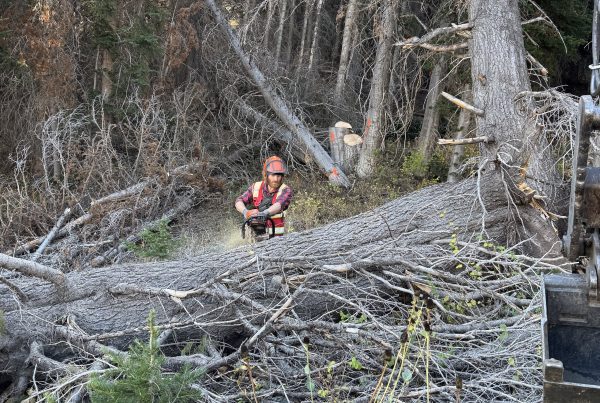
Many Park City removals are done in sections. Instead of felling the tree in one piece, the crew removes limbs and trunk sections in a controlled order. Rigging can lower pieces safely and prevent damage to roofs, decks, and landscaping. In especially tight sites, a crane can be the safest tool because it lifts sections away from the home with controlled picks.
If you are evaluating a difficult tree, it helps to understand how crane assisted removal affects planning and budget. See our local breakdown on crane tree removal cost and best practices for Park City style access constraints.
Cleanup, hauling, and final inspection
A professional job is not finished when the tree hits the ground. Cleanup should include brush removal, raking and blowing, and hauling that restores safe access for vehicles and foot traffic. Final inspection should confirm that stumps, debris, and any agreed upon restoration steps were handled as promised.
If you want the site to look finished fast, pairing removal with on site chipping often helps. You can learn how chipping can reduce hauling volume in our wood chipping benefits guide.
Safety, insurance, and qualifications checklist
Tree work is hazardous by nature. A tree removal company should have a safety culture that shows in the way they plan, communicate, and protect both crew and property. As a homeowner, you do not need to become a safety expert, but you should know what good looks like.
ISA credentials and industry standards
Credentials and standards are not about fancy titles. They are about consistent methods. The International Society of Arboriculture offers widely recognized credentials and education resources, including ISA TRAQ for risk assessment. Standards for pruning and tree care performance are also commonly referenced in the industry, including ANSI A300 guidance, which is discussed by professional organizations like the Tree Care Industry Association overview of ANSI A300 standards.
Practical question to ask: what standard practices guide your pruning and cutting decisions, and how do you avoid unnecessary damage to surrounding trees and soils?
Safety culture and OSHA awareness
Professional crews build safety into the workflow: job briefings, clear communication, controlled drop zones, and correct equipment use. OSHA provides general guidance and references for tree care hazards and safety programs, including a tree care overview page that highlights common risks.
From a homeowner point of view, you can spot strong safety habits when a crew sets boundaries, keeps bystanders out of drop zones, uses proper protective gear, and refuses shortcuts even when the job is inconvenient.
Insurance details that protect you
Insurance questions can feel awkward, but they matter. A tree removal company should be willing to discuss coverage that protects both workers and the homeowner. Ask for proof of insurance and confirm that the name on the policy matches the company you are hiring.
Also ask how they handle property protection. A reliable contractor will describe how they prevent damage and what happens if something unexpected occurs.
Tree removal cost factors and how estimates should be built
Homeowners often want a single number, but a good estimate is built from real job conditions. In Park City and Heber City, terrain and access can matter as much as tree size. The goal is not just a cheap price. The goal is a predictable plan with safe execution and a clean finish.
What drives cost on mountain properties
Here are some of the biggest drivers of cost for a tree removal company in the Park City area:
- Tree size and structure: Height, trunk diameter, and crown spread influence time and equipment needs.
- Targets and risk: Trees over roofs, decks, or hot tubs often require sectional removal and careful rigging.
- Access and staging: Narrow roads, steep driveways, and limited equipment space add complexity.
- Slope and soil sensitivity: Steep lots may need specialized equipment positioning and ground protection.
- Debris volume: More material means more chipping, hauling, and disposal planning.
- Time of year: Snow season conditions and storm response demand can affect scheduling.
If you want Park City specific cost context, you can compare scenarios using our guides on how much to get a tree cut down in Park City, our tree removal cost estimator, and our breakdown of dead tree removal cost in Park City and Heber City.
Stump grinding and add ons
Many homeowners choose stump grinding because it removes trip hazards, improves appearance, and makes future landscaping easier. If you plan to replant or rebuild grade, grinding can also help you move forward without old wood interfering with compaction and drainage planning.
Other common add ons include wood chipping, log hauling, dump truck hauling for mixed debris, and drainage adjustments where roots and disturbed soil change runoff behavior. When these services are bundled, it often reduces the total headache compared to hiring multiple vendors.
Emergency work and seasonal impacts
Emergency jobs often require faster mobilization, off hour coordination, and extra hazard controls, especially when a tree is on a home or blocking access. If you need urgent help, see our guidance on emergency fallen tree removal in Park City and Heber City and our local breakdown of fallen tree removal cost in Park City.
Protecting your home, landscaping, and drainage during removal
A tree removal company should plan protection the same way they plan cuts. In mountain communities, property protection includes not only what the tree could hit, but also what heavy equipment and disturbed soils can trigger afterward.
Driveways, roofs, fences, and hardscape
Park City homes often include heated driveways, stone walls, decorative fencing, and high value landscaping. Controlled rigging, clear drop zones, and careful equipment positioning help prevent damage. If the crew is moving logs across a driveway edge or near a retaining wall, they should explain how they avoid cracking surfaces or pushing soil downhill.
If you have questions about how a crew will handle cleanup and hauling on tight sites, you may find it helpful to review our process oriented guide to tree branch haul away services in Park City, since hauling and staging often determine how tidy the final result feels.
Erosion and drainage solutions after tree work
Tree removal can expose soil to runoff, especially if the canopy was previously slowing rainfall impact and root systems were stabilizing the slope. That does not mean you should never remove trees, but it does mean the plan should consider how water will move across the property afterward.
Canyon Cutters provides erosion and drainage construction solutions in Park City and can combine tree work with practical measures like reshaping flow paths, stabilizing disturbed areas, and protecting riparian or easement zones where needed.
Restoration and property rehabilitation
After a difficult removal, many homeowners want the area to look natural again. Restoration can include removing leftover debris, smoothing ruts, reshaping a trail, and adding protective ground cover. If the project is part of a larger site cleanup, our Property Rehabilitation service can help bring the area back to a stable, usable condition.
Stump grinding and what to do after a tree comes down
Stumps are more than an eyesore. They can create trip hazards, complicate mowing, and attract unwanted growth around the edges. In some cases, stumps can also interfere with drainage improvements or new planting plans.
Stump grinding removes the above ground stump and grinds the wood below grade, leaving chips that can be removed or reused depending on your goals. Grinding depth depends on whether you are simply reducing a trip hazard or preparing for new planting, hardscape, or regrading.
If you want a deeper look at how stump grinding works and how it is priced locally, see our stump grinding guide and the general overview in the ultimate guide to stump grinding.
After grinding, consider these next steps:
- Backfill and leveling: Replace chips with suitable soil if you want stable planting or hardscape base material.
- Drainage check: Verify runoff does not concentrate in the new depression.
- Replanting strategy: Avoid planting directly into fresh grindings if you want fast establishment, since decomposing wood can affect soil conditions.
- Site stability: On slopes, use erosion control approaches if the canopy loss increases exposure.
Debris handling: wood chipping, hauling, and responsible disposal
Debris is often the hidden half of tree work. A tree removal company should explain what happens to brush, logs, and chips, and how the property will look when the crew leaves. On mountain sites with limited access, debris handling can be the main driver of time and cost.
Wood chipping is a common solution for brush and smaller material because it reduces volume and speeds cleanup. Chips can sometimes be used on site as mulch or to stabilize paths, depending on your landscape plan. For an overview of how chipping supports sustainable site management, see the benefits of wood chipping.
For large volumes, dump truck hauling becomes essential. Canyon Cutters offers Dump Truck Hauling in Park City for debris and materials, which is especially useful when tree work blends into land clearing, drainage work, or construction prep.
If your goal is a clean property after removal, plan for these decisions up front:
- Do you want firewood length logs left on site? If yes, define where they should be stacked and whether access is safe.
- Do you want chips left or hauled? Chips can be helpful, but only if placed where they will not create drainage issues.
- Do you need full yard restoration? If yes, build it into the estimate and scope, not as an afterthought.
Fire mitigation and forestry work in the Wasatch and Uinta Mountains
In mountain communities, tree removal often connects directly to wildfire preparation. Canyon Cutters specializes in forestry applications for fire mitigation work needed in the Wasatch and Uinta Mountains, and we frequently combine hazard tree removal with thinning, deadfall cleanup, chipping, and access improvement.
Defensible space and the home ignition zone
Defensible space is not just clearing everything. It is thoughtful management of vegetation and fuels around the home so a fire has less opportunity to intensify near structures. The concept of the home ignition zone focuses on the home and the area around it, and the NFPA explanation of the home ignition zone is a helpful reference for understanding why the area close to your home matters so much.
For Utah specific wildfire preparedness resources, review the Utah DNR wildfire community preparedness information. For Park City context, the City has also published wildfire related guidance documents such as Park City’s wildland fire information document, which includes defensible space discussion.
On many lots, the most effective approach is to remove dead standing trees, reduce ladder fuels, thin overly dense patches, and maintain clear access routes. This is where tree removal and forest management overlap.
Forest health, insect pressure, and hazard trees
Forest health issues can create hazard trees that fail or fall, adding to fuels and increasing risk to homes and access roads. In Utah, insect activity can contribute to tree stress and mortality. For example, the Utah Division of Forestry, Fire and State Lands provides educational resources like the mountain pine beetle update and the spruce beetle brochure that explain timing and impacts.
This does not mean every stressed tree must be removed. It means a property level plan can reduce sudden failures and support a healthier stand over time. Canyon Cutters can help you identify where removal is necessary and where selective thinning and cleanup is the better move.
Clearing trails for ski in and ski out access
Many mountain properties include private ski routes, access trails, or utility corridors. Keeping these routes clear improves safety and can help emergency access in winter and summer. Trail clearing can also reduce continuous fuels that carry fire across the landscape.
If you are planning an access improvement project, our land clearing resources like land clearing in Park City and Heber City and brush clearing cost guidance for Park City show how we approach terrain, staging, and cleanup.
Storm cleanup and emergency tree removal
Storm cleanup is one of the most stressful times to hire a tree removal company because homeowners often feel urgency and uncertainty at the same time. The goal is to stabilize risk first, then clean up in a way that restores access and prevents additional damage.
What to do right after a storm
Start with safety. If a tree is down, avoid walking under hung up limbs or leaning stems. Keep people away from the area until a professional can evaluate stability. For general storm safety reminders, Ready.gov’s thunderstorm guidance notes the importance of watching for fallen trees and other hazards after severe weather.
If you need a Park City and Heber City specific storm cleanup checklist, use our storm debris cleanup guide and the broader posts collected in the Storm Cleanup category.
Downed power line safety
If a tree is involved with power lines, treat the area as dangerous and keep your distance. Do not try to cut or move material yourself. Report hazards to the utility provider and emergency services when appropriate. For a clear reminder of why this matters, see Safe Electricity guidance on power line safety after a storm.
Mountain access for urgent work
Emergency work in Park City often involves steep driveways, snowy access, and limited staging space. A professional response focuses on immediate stabilization, safe removal sequences, and cleanup that restores safe entry for homeowners and property managers.
If you are facing an urgent situation, our detailed local resource on emergency fallen tree removal explains what to expect from a fast, safe response.
Year round support for resort properties and mountain homes
Many Park City homeowners and property managers want a contractor who can handle more than one season. A tree removal company that understands ski resort properties can help you keep access, safety, and property condition stable throughout the year.
Canyon Cutters services include Wood Chipping, Land Management, Tree Removal, Dump Truck Hauling, Fire Mitigation, Tree Pruning, Stump Grinding, Snow Removal, Clearing Trails for Ski in and Ski Out, Erosion and Drainage Construction Solutions, Storm Cleanup, and Property Rehabilitation. That means you can plan a year round schedule that matches real mountain needs instead of reacting to emergencies.
If your winter plan includes snow operations, see our snow removal content like guide to snow removal services, equipment, and tips and snow removal services in Park City.
If your spring and summer plan includes cleanup and vegetation management, our guides to clearing cost for Park City and Heber City and tree care and land management services in Park City can help you map out a practical approach.
Why Canyon Cutters fits Park City and Heber City properties
If you are hiring a tree removal company for a mountain property, look for a team that is built for the conditions, not just visiting from a flatter service area. Canyon Cutters is locally owned and operated in Park City, Utah, with a primary focus on homes and property located on and near the ski resorts of Park City. We also specialize in forestry applications for fire mitigation work needed in the Wasatch and Uinta Mountains.
We provide a complete arborist solution for residents of Park City and Heber City, Utah, so you can handle removal, pruning, stump grinding, chipping, hauling, storm cleanup, and slope protection with one coordinated plan. To see how we present our services, visit our Services page. To meet the people behind the work, visit our Team page. To see real job photos, explore our Gallery and Before After.
If you are ready to talk through a specific tree or property plan, request an evaluation through our Contact page. If you are managing expectations across an HOA or multiple stakeholders, reviewing our Service Agreement early can also help align scope and timing.
FAQs
How do I choose the right tree removal company for a Park City mountain property?
Start with experience in steep terrain, a clear safety process, and a written scope that explains how the crew will protect your home and landscaping. Ask how the company handles sectional removal, rigging, hauling, and cleanup. If you want to see what mountain work looks like, review the Canyon Cutters Gallery and Before After examples, then request a visit through the Contact page.
Do I always need a permit to remove a tree in Park City or Heber City?
Not always, but there are important exceptions, especially if the tree is in a right of way, on City property, or subject to HOA rules. When in doubt, check local guidance and confirm the tree location. Park City documents such as the Forestry Plan ordinance document can help you understand when permits may apply on City controlled areas.
What affects tree removal cost the most on ski resort properties?
Access and risk. Trees near roofs, tight driveways, or steep slopes often require sectional removal and careful rigging. Snow season access and hauling constraints can also influence cost. For local examples, see how much to get a tree cut down in Park City and the tree removal cost estimator.
Should I grind the stump after removing a tree?
In most residential settings, stump grinding is a smart choice because it removes a trip hazard and makes future landscaping easier. The right depth depends on whether you are replanting, building, or simply restoring grade. Learn more in our stump grinding guide.
What should I do if a tree falls and touches power lines?
Keep your distance and treat the area as dangerous. Do not attempt cutting or cleanup yourself. Contact the utility provider and emergency services when appropriate. For a clear safety overview, see Safe Electricity guidance on downed power line safety.
Can tree removal be combined with fire mitigation and land management?
Yes, and on many mountain properties it is the best approach. Removing hazard trees, thinning dense patches, clearing deadfall, and chipping fuels can reduce wildfire risk and improve access. For wildfire preparation concepts, reference NFPA wildfire preparation guidance and Utah DNR wildfire community preparedness resources. For local service planning, start with Canyon Cutters services.
Planning your next step
Hiring a tree removal company in Park City and Heber City is about more than removing wood. It is about protecting your home, keeping access safe near the ski resorts, managing wildfire fuels in the Wasatch and Uinta Mountains, and leaving your property stable for the next season. If you want a crew that can handle difficult terrain and deliver a complete arborist solution, Canyon Cutters is ready to help.
Review our full list of services on the Services page, then reach out through our Contact page to schedule an evaluation and get a clear plan for your property.