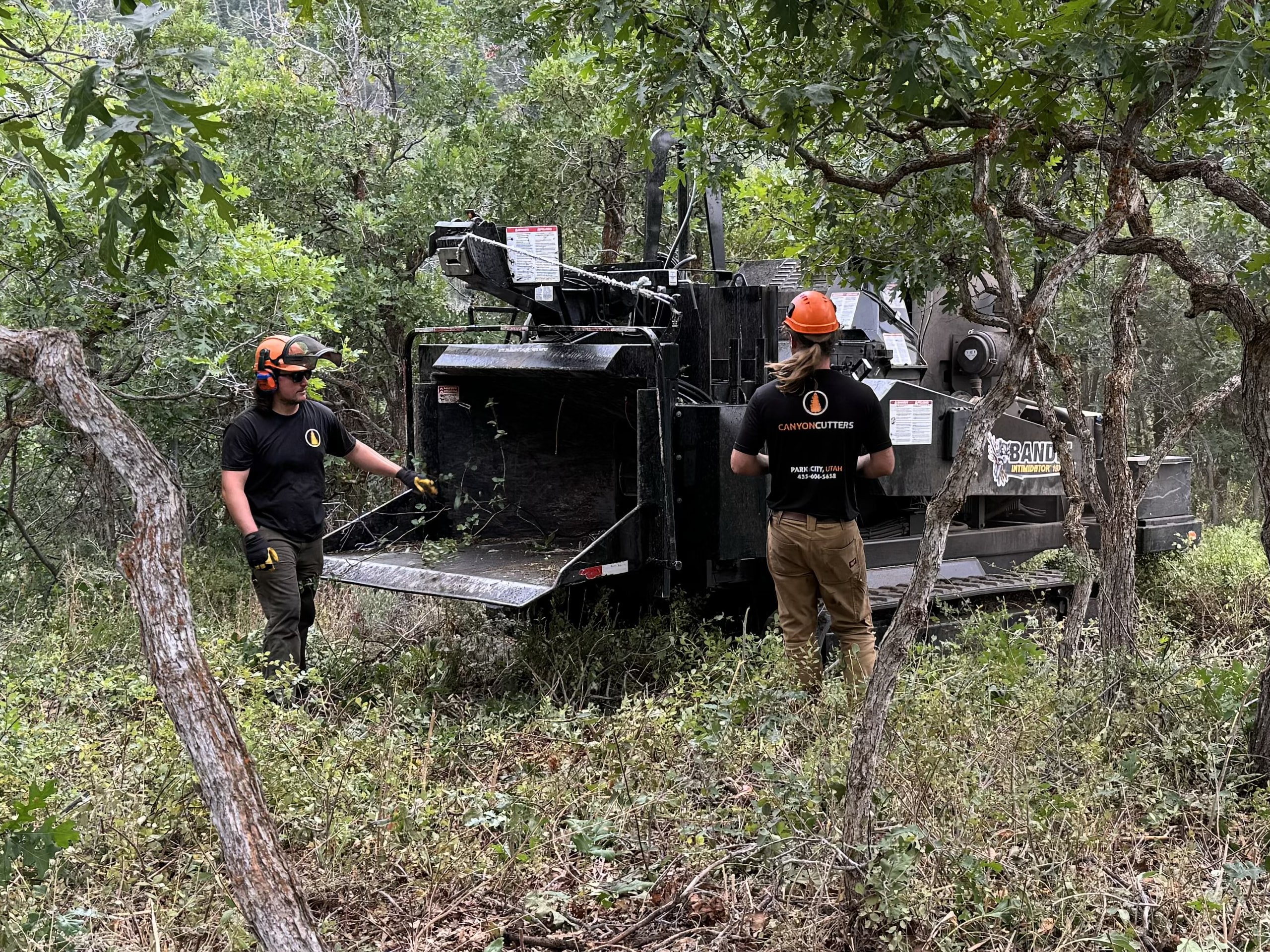
Underbrush clearing is one of the most practical ways to reduce wildfire fuel, improve access, and keep mountain properties in Park City and Heber City safer and easier to maintain, especially for homes on and near the ski resorts where steep terrain, dense vegetation, and seasonal debris build up fast. When done correctly, it supports defensible space goals, protects views and structures, improves forest health, and sets your land up for long term maintenance with less emergency cleanup.
Table of Contents
- What underbrush clearing means in Park City and Heber City
- Why underbrush clearing matters for mountain properties
- Wildfire risk basics: fuels, embers, and ladder fuels
- Defensible space zones and how underbrush fits
- What to clear and what to keep
- Best time of year for underbrush clearing in Summit and Wasatch County
- Underbrush clearing methods: hand work, mechanical, and forestry approaches
- Chipping, hauling, and debris handling options
- Steep slopes, erosion, and drainage planning
- Ski in and ski out access: trail and glade clearing considerations
- HOA rules, defensible space expectations, and local coordination
- What affects scope and cost on Park City area properties
- A simple annual maintenance plan that keeps fuel down
- Why Park City homeowners choose Canyon Cutters
- FAQs
What underbrush clearing means in Park City and Heber City
In the Wasatch and Uinta Mountain communities, underbrush clearing means reducing the dense, lower vegetation layer that can carry fire, block access, hide hazards, and compete with mature trees for water and nutrients. On many Park City and Heber City properties, that lower layer includes deadfall, downed limbs, dried grasses, low branches, crowded saplings, and thick shrubs that collect needles and leaves.
Underbrush clearing is not the same as removing every plant. Done well, it is selective. The goal is to break up fuel continuity, remove ladder fuels that can lift fire into the canopy, and create working space for maintenance and emergency access. This is one reason many homeowners pair underbrush work with Land Management and Fire Mitigation services instead of treating it as a one time project.
If you are unsure where your property falls on the risk spectrum, start with homeowner guidance from Utah Forestry, Fire and State Lands homeowner education and compare it to the vegetation you see within the first 100 feet of structures.
Why underbrush clearing matters for mountain properties
It reduces wildfire intensity near structures
Dense understory fuels can help surface fire spread fast. When flames reach shrubs, small trees, or low branches, fire can climb into the canopy and burn hotter and harder to control. That vertical pathway is why wildfire education often focuses on keeping the area closest to buildings lean and reducing ignition sources from embers. A helpful overview is the wildfire home preparation guidance from NFPA on preparing homes for wildfire, which emphasizes ember exposure and reducing fuels and ignition points around the home.
It improves access for maintenance and emergency response
Overgrown underbrush hides trip hazards, stumps, rocks, and deadfall. It also makes it harder to prune trees, remove hazard limbs, or move chipping equipment safely. For mountain properties near ski resorts, access routes matter in every season, including summer service work and winter storm response. If you have tight corridors, steep driveways, or ski access routes, underbrush clearing often becomes the foundation for safer work zones.
It supports forest health and property usability
Selective clearing can reduce competition for water, lower pest pressure, and improve airflow around trees and shrubs. It also opens sight lines, improves walkability, and creates usable space for trails, play areas, and staging zones for firewood and equipment.
It helps you keep up with seasonal debris
In Park City, winter storms and heavy snow loads often create spring cleanup needs: broken limbs, blowdown, and accumulated needles and leaves. Canyon Cutters offers annual cleanup options through Land Management along with debris handling like Wood Chipping and hauling support.
Wildfire risk basics: fuels, embers, and ladder fuels
Most homeowners picture a wall of flame, but many homes ignite from ember exposure. Wind can carry embers ahead of the main fire and drop them into receptive fuels like dry mulch, leaf litter, deck corners, and shrubs near walls. That is why modern wildfire guidance places special emphasis on the area closest to the home, sometimes described as the immediate zone.
A practical way to think about underbrush is by fuel type:
- Surface fuels: grasses, pine needles, leaves, downed twigs, and small branches.
- Understory fuels: shrubs, saplings, and dense brush under mature trees.
- Ladder fuels: vegetation that lets fire climb upward, such as shrubs under low limbs, small conifers under larger trees, or dense young growth under canopy.
- Canopy fuels: crowns of trees that can support crown fire when conditions are extreme.
Underbrush clearing targets surface and understory fuels and breaks ladder fuel pathways. For a plain language explanation of why this matters, review the defensible space overview from Ready for Wildfire defensible space.
Defensible space zones and how underbrush fits
Defensible space is typically described in zones that move outward from the structure. The exact distances can vary with slope, vegetation type, and lot configuration, but the idea is consistent: reduce ignition potential close to the home and reduce fuel continuity farther out.
Zone closest to the home
The first few feet from the structure should be the most ignition resistant area. Many wildfire programs emphasize that the closest zone is where embers are most likely to find a receptive fuel bed. If you want a simple checklist style explanation, see the Zone 0 focus described by CAL FIRE defensible space guidance. Even though this resource is from California, the ember principles apply in Utah’s WUI conditions.
- Remove dead leaves and needles along foundations and under decks.
- Keep flammable items away from siding, corners, and deck edges.
- Avoid dense shrubs right against walls and windows.
Intermediate zone
This is where underbrush clearing and pruning do a lot of work. Think spacing between shrubs, removing dead material, separating tree crowns where possible, and pruning low limbs to reduce ladder fuels.
Extended zone
Farther out, the goal is to reduce continuous fuels and keep the area maintainable. Underbrush clearing here often focuses on thinning pockets of dense growth, removing deadfall, and creating break points along driveways, trails, and property edges.
If you want Utah specific landscaping guidance for the WUI that balances wildfire protection and water wise choices, see Utah State University Extension on landscaping in the Utah WUI.
What to clear and what to keep
A common mistake is treating underbrush clearing like full removal. On mountain properties, you usually want a managed understory, not bare soil. The right approach is selective and based on proximity to structures, slope, and your goals.
High priority items to remove
- Dead standing trees and dead branches that can drop into work zones or become receptive fuels.
- Downed logs and deadfall in continuous piles, especially near trees and structures.
- Dense shrubs under low tree limbs that create ladder fuels.
- Overcrowded saplings that create fuel continuity and compete with healthier trees.
- Needle and leaf buildup that forms a dry surface layer in summer.
Items you may keep, depending on location
- Healthy, well spaced shrubs used for erosion control on slopes.
- Native vegetation in clusters that are separated by breaks and kept free of dead material.
- Tree groups that provide shade and wind buffering, when crown spacing and ladder fuel reduction are addressed.
How to decide quickly
Walk the property outward from structures. Any vegetation that touches siding, hangs over decks, or forms a continuous path from ground fuels to tree branches should be evaluated first. If you want a homeowner friendly overview of planning defensible landscaping, see USU Extension on planning your landscape to keep your home safe from wildfire.
For Park City residents, it is also worth watching for seasonal wildfire preparedness messaging from local agencies. Park City has published wildfire readiness resources, including seasonal reminders and community mitigation strategies, such as the city newsletter document Be Ready Park City.
Best time of year for underbrush clearing in Summit and Wasatch County
Timing is about safety, access, and how debris behaves.
- Spring: A popular season for cleanup after snow. You can identify winter damage, remove deadfall, and prep for summer wildfire season. This aligns well with recurring Land Management visits.
- Early summer: Great for defensible space work before peak heat and before fuels dry out completely. Scheduling early can help you avoid the rush that often happens when smoke appears in the region.
- Late summer and fall: Useful for thinning and trail work once growth slows. Also a good time to stage property rehabilitation projects before winter.
- Winter: Some work can be done with the right equipment and access, but snowpack limits visibility of ground hazards and can hide stump locations.
Because Park City homes near ski resorts often sit on steep aspects with shaded pockets, you may have different melt timing across the same property. A crew familiar with mountain terrain can sequence the work so equipment access stays safe.
Underbrush clearing methods: hand work, mechanical, and forestry approaches
Different parts of the same property often require different techniques. Canyon Cutters works across steep terrain and ski resort adjacent lots, so most projects involve a mix of methods and equipment.
Hand clearing and selective thinning
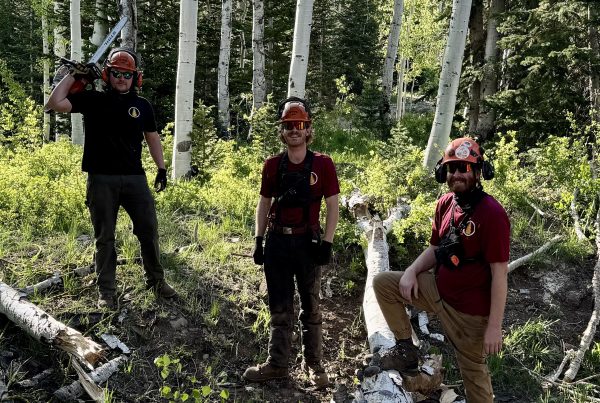
Hand clearing is ideal near structures, along fences, around decks, and in tight tree clusters where precision matters. It often includes:
- Cutting and removing small saplings and brush selectively.
- Pulling and raking surface fuels like needles and small twigs from critical zones.
- Separating vegetation groups to avoid continuous fuel beds.
Mechanical brush clearing
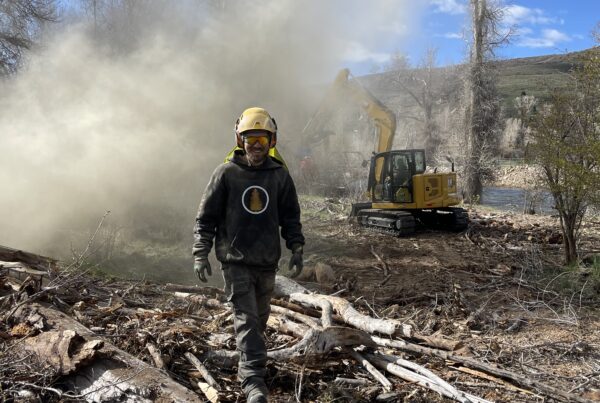
Mechanical clearing can quickly reduce dense understory on larger lots, especially where access allows tracked equipment. This method can be efficient for opening fuel breaks, creating clear corridors, or preparing areas for construction or trail access.
Forestry style fuel reduction
On properties bordering wildland or in the Wasatch and Uinta Mountains, fuel reduction can look more like forestry work: thinning dense pockets, removing ladder fuels, and improving spacing between tree crowns where feasible. Canyon Cutters specializes in forestry applications for fire mitigation work needed in these mountain ranges, and that experience matters when the goal is not just aesthetics but realistic fire behavior reduction.
Pruning to reduce ladder fuels
Pruning is a key part of underbrush clearing because low limbs can connect ground fuels to the canopy. If you plan to include pruning as part of the work, it pairs naturally with Tree Pruning and Tree Removal decisions when trees are dead, failing, or poorly located for defensible space goals.
Chipping, hauling, and debris handling options
One of the biggest decision points in underbrush clearing is what happens to the material. If you cut brush and leave it in piles, you can accidentally create a new fuel problem. A clean finish usually includes chipping, hauling, or both.
Wood chipping
Chipping reduces bulky brush into manageable chips that can be hauled off or used in limited ways on site. Canyon Cutters provides Wood Chipping and also shares homeowner friendly context on why chipping can be useful in landscape cleanup, such as in The Benefits of Wood Chipping.
- Chipping can reduce hauling volume and keep work sites tidy.
- Chips can be staged for removal or used as ground cover in the right locations.
- Chips should be kept away from the most ignition sensitive areas near structures where embers land.
Hauling and dump truck support
Many Park City and Heber City properties benefit from debris removal and hauling, especially after storm events or major thinning. Canyon Cutters offers Dump Truck Hauling for moving material in and out of sites, which is helpful when steep driveways or limited staging areas make multiple small trips inefficient.
Stump grinding and hazard cleanup
If underbrush clearing includes removal of small trees or hazard trees near access routes, stumps can become trip hazards and obstacles for mowing and maintenance. Pairing clearing with Stump Grinding can improve safety and reduce the chance that regrowth creates dense ladder fuels again.
Steep slopes, erosion, and drainage planning
Underbrush clearing on steep mountain lots needs an erosion aware plan. Removing too much vegetation at once can expose soil, increase runoff, and create rilling or gullying during storms and snowmelt. The safest approach is usually staged and selective, with special attention to drainage paths.
Key slope principles
- Keep root structure and ground cover where it stabilizes soil.
- Break up continuous surface fuels without stripping slopes bare.
- Redirect concentrated runoff away from foundations and driveways.
Drainage and erosion solutions that pair with clearing
Many properties near ski resorts have complex runoff patterns due to compacted snow storage zones, roof shedding, and spring melt. Canyon Cutters provides Erosion / Drainage Construction Solutions that can be coordinated with clearing so the property stays stable after vegetation is reduced.
When to escalate from clearing to property rehabilitation
If the property has long neglected debris, damaged understory, and poor drainage, you may need a larger reset that includes access improvements and forest cleanup. In those cases, Property Rehabilitation can be the right umbrella to rebuild the site into a maintainable condition.
Ski in and ski out access: trail and glade clearing considerations
Canyon Cutters focuses on homes on and near the ski resorts of Park City, where trail access and winter routes are part of daily life. Underbrush clearing for ski access is different from typical backyard cleanup because it must account for snowpack, glide paths, and safety lines.
Common ski access goals
- Clear protruding hazards like low stumps, deadfall, and snag branches.
- Create smoother, safer corridors that remain visible under snow conditions.
- Improve access for maintenance crews and emergency response.
Service alignment
When ski access is part of the plan, it often connects naturally to Clearing Trails for Ski in & Ski Out and may also involve Tree Pruning to remove low limbs and maintain clear sight lines.
If you want to see real project photos to compare types of terrain and outcomes, browse the Canyon Cutters Gallery and the Before and After page.
HOA rules, defensible space expectations, and local coordination
Many Park City neighborhoods have HOA landscape standards, especially near resort zones. Underbrush clearing can improve safety while still maintaining the natural look that communities value, but you should plan for approvals when required.
Where HOA rules usually show up
- Tree removal approvals and replacement expectations.
- Limits on visible slash piles and staging areas.
- Seasonal restrictions on noise or equipment access.
- Requirements to keep certain view corridors intact.
Community coordination for wildfire season
Park City and surrounding agencies sometimes publish seasonal guidance, including fire ban dates and community fuels committee information. Reviewing local notices like the city resource Be Ready Park City can help you coordinate timing and reduce last minute scheduling conflicts when seasonal risk rises.
How Canyon Cutters helps streamline communication
Canyon Cutters is locally owned and operated in Park City, Utah, and the team works on difficult terrain while maintaining the natural beauty of the land. For projects that involve HOA coordination or complex access needs, start with a site visit request through the Contact page so the scope can be defined clearly for approvals.
What affects scope and cost on Park City area properties
Every lot is different in the mountains. Underbrush clearing scope is shaped by vegetation density, slope, access, disposal requirements, and how close the work is to structures. If you want a Park City and Heber City specific discussion of brush clearing cost variables, see Brush Clearing Cost.
Main drivers of scope
- Vegetation type and density: Thick brush, tight sapling stands, and deadfall piles increase labor and debris volume.
- Terrain and access: Steep slopes and limited equipment access require more careful sequencing and often more hand work.
- Disposal plan: Chipping, hauling, and staging can change the workflow and final cost.
- Risk reduction goals: Defensible space near structures is precision work and often takes longer than open area thinning.
- Added services: Tree removal, pruning, stump grinding, and drainage solutions expand the scope but can reduce future maintenance needs.
Questions to ask during scoping
- Which structures and access routes need priority protection first?
- Where are the ladder fuels that connect ground to canopy?
- Where can we keep stabilizing vegetation for erosion control?
- How will debris be processed and removed?
- What does maintenance look like one year from now?
Because Canyon Cutters offers multiple services under one roof, many homeowners bundle underbrush work with Fire Mitigation, Tree Removal, and Wood Chipping to reduce handoffs and keep the plan consistent.
A simple annual maintenance plan that keeps fuel down
Underbrush clearing works best when you treat it as a cycle, not a single event. In mountain communities, seasonal debris and regrowth mean that small annual work can prevent big corrective work later.
Monthly quick checks during fire season
- Remove needle and leaf buildup from corners, under decks, and along foundations.
- Break up new brush piles and schedule chipping or hauling before they dry out.
- Confirm irrigation or water wise plant health so stressed vegetation does not become dead fuel.
Spring reset
- Remove winter blowdown and dead branches.
- Thin new sapling growth in problem areas.
- Prune low limbs that are drifting back toward ladder fuel conditions.
Late summer and fall tune up
- Cut back new understory growth that closes spacing.
- Chip or haul debris so you do not enter winter with stacked fuels.
- Assess drainage paths before snow season to reduce erosion at melt.
If you want recurring help rather than managing this list alone, talk to Canyon Cutters about recurring property visits through Land Management and keep a record of work completed each season for HOA and insurance documentation when needed.
Why Park City homeowners choose Canyon Cutters
Canyon Cutters is locally owned and operated in Park City, Utah, with a primary focus on homes and property located on and near the ski resorts of Park City. The company offers a complete arborist solution for residents of Park City and Heber City, Utah, and specializes in forestry applications for fire mitigation work needed in the Wasatch and Uinta Mountains.
When underbrush clearing is planned as part of a full property safety and usability strategy, it often touches multiple services. Canyon Cutters can support that full scope, including:
- Wood Chipping
- Land Management
- Tree Removal
- Dump Truck Hauling
- Fire Mitigation
- Tree Pruning
- Stump Grinding
- Snow Removal
- Clearing Trails for Ski in & Ski Out
- Erosion / Drainage Construction Solutions
- Storm Cleanup
- Property Rehabilitation
To start planning underbrush clearing for your Park City or Heber City property, request a site visit through Canyon Cutters Contact. If you want to get familiar with the team and experience level first, visit Meet the Team.
FAQs
What is the difference between underbrush clearing and full land clearing?
Underbrush clearing is selective fuel and access management that keeps desirable vegetation where it supports forest health, privacy, and erosion control. Full land clearing removes most vegetation to prepare for construction or major site change. Many Park City homeowners choose underbrush clearing first because it improves safety and usability without stripping the landscape.
How far from my house should I clear underbrush for wildfire safety?
Many defensible space programs describe zones that extend outward from the structure, often reaching up to 100 feet when space allows, with extra emphasis on the area closest to the home because of ember exposure. Use Utah guidance from Utah Forestry, Fire and State Lands and consider slope, wind exposure, and vegetation type when choosing distances.
Should I keep the chips on site after brush clearing?
It depends on where the chips would end up. Chips can be useful as ground cover in certain areas, but they should not be placed in the most ignition sensitive areas close to structures. If you want a clean finish, ask about hauling options along with Wood Chipping.
Does underbrush clearing help with pests and tree health?
Often, yes. Removing dead material and reducing overcrowding can improve airflow and reduce stress on remaining trees, which may reduce susceptibility to some pests and diseases. It also makes it easier to inspect trees for hazard limbs and structural issues.
Can Canyon Cutters clear underbrush on steep, resort-adjacent lots?
Yes. Canyon Cutters focuses on homes and properties on and near the ski resorts of Park City and is experienced with difficult terrain. Many projects blend selective hand clearing with equipment where access allows, then finish with debris handling like Dump Truck Hauling and Wood Chipping.
What services should I bundle with underbrush clearing for best results?
Common add-ons include Tree Pruning to remove ladder fuels, Tree Removal for dead or hazardous trees, Stump Grinding to eliminate trip hazards, and Erosion / Drainage Construction Solutions where slopes and runoff need attention.