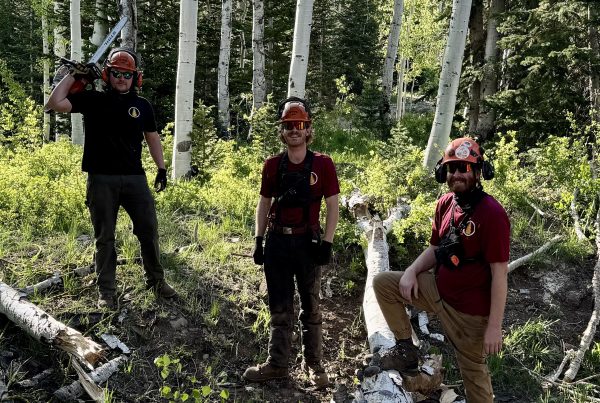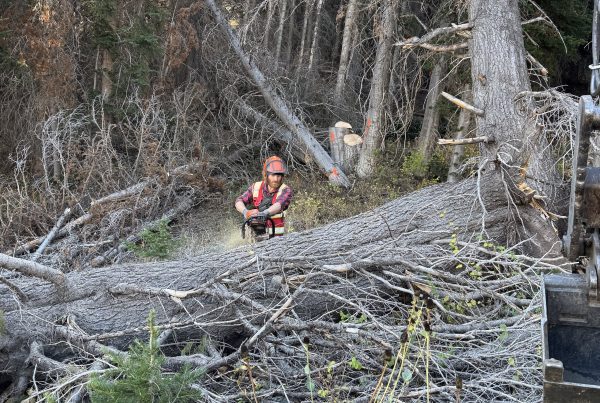

Storm debris can turn a peaceful mountain property into a safety hazard in minutes, especially on steep lots near the ski resorts of Park City. This guide explains how to identify dangerous debris, sort materials for proper disposal, protect your home and watershed, and restore access fast. You will also learn when to handle light cleanup yourself and when to call Canyon Cutters for storm cleanup, wood chipping, dump truck hauling, hazard tree work, erosion and drainage solutions, trail clearing for ski-in and ski-out, and fire mitigation work across Park City and Heber City.
Canyon Cutters is locally owned and operated in Park City, Utah, with a primary focus on homes and properties on and near the ski resorts. Our crews deliver a complete arborist solution for residents of Park City and Heber City, plus forestry applications for fire mitigation in the Wasatch and Uinta Mountains. If your driveway is blocked, a tree is leaning over your roof, or debris is washing into drainage lines, the right plan protects people first and prevents small problems from becoming expensive repairs.
Use the table of contents below to jump to the part you need right now, then come back later to build a longer-term recovery plan that includes storm cleanup, property rehabilitation, and fire-ready land management.
Table of Contents
- What Storm Debris Is and Why It Gets Risky Fast
- Why Storm Debris Hits Park City and Heber City Differently
- The First 24 Hours: Storm Debris Safety and Documentation
- Utility Hazards: Power Lines, Gas Odors, and Carbon Monoxide
- Tree Storm Debris: Leaners, Hangars, Root Plates, and Stored Energy
- How to Sort Storm Debris for Safer Cleanup and Proper Disposal
- Wood Chipping vs Hauling: Picking the Best Storm Debris Removal Method
- Protecting Stormwater, Streams, and Your Soil After Debris Removal
- Clearing Trails for Ski In and Ski Out After Storms and Heavy Snow
- Storm Debris and Fire Mitigation in the Wasatch and Uinta Mountains
- DIY vs Hiring Help: How to Choose the Right Storm Debris Cleanup Plan
- What to Expect When Canyon Cutters Handles Storm Debris
- Costs, Timing, and Insurance Tips for Storm Debris Cleanup
- Pre Storm Planning: Reduce Future Storm Debris
- FAQs
- Contact Canyon Cutters
What Storm Debris Is and Why It Gets Risky Fast
Storm debris is any material displaced, broken, uprooted, or scattered by wind, heavy snow, ice, rain, flash flooding, or slope movement. On mountain properties, debris is not just messy. It can block access, damage roofs and decks, tear down fences, clog drainage, and create immediate hazards like hanging limbs or unstable trees.
In Park City and Heber City, storm debris often lands in the worst places: steep driveways, narrow access lanes, ski trails, and drainage paths that move snowmelt away from foundations. That is why a storm debris plan should focus on safety and access first, then disposal, then long-term property protection.
Common Storm Debris Examples on Mountain Properties
Here are storm debris categories Canyon Cutters sees most often near the ski resorts and across the Wasatch Back:
- Tree debris: limbs, tops, trunks, uprooted trees, cracked stems, and hanging branches.
- Green waste: brush, shrubs, and windblown yard material.
- Construction debris: shingles, flashing, siding, broken fencing, and scattered lumber.
- Household debris: patio furniture, grills, cushions, and items blown from decks.
- Rock and soil movement: small slides, washed out gravel, and clogged culverts.
- Winter debris: snapped limbs from snow load, ice fall, and broken fence sections from drifting snow.
If your debris is mostly branches and brush, wood chipping can be a fast solution. Learn how chipping reduces volume in Canyon Cutters’ wood chipping guide and review local service options on the services page.
Why Storm Debris Problems Grow After the Storm Ends
Many homeowners feel relief when the wind stops or the snow tapers off. The risk is that storm debris problems often grow after the storm because:
- Partially broken limbs can fall later, especially when temperatures change or the next gust hits.
- Debris piles redirect water, creating new erosion channels toward your driveway or foundation.
- Hidden damage can worsen, such as cracked trunks, lifted root plates, or loose boulders.
- Blocked drainage leads to ice buildup, flooding, or slope saturation during melt cycles.
For a local view of storm cleanup priorities, see Canyon Cutters’ storm cleanup and recovery overview.
Why Storm Debris Hits Park City and Heber City Differently
Storm debris cleanup in Park City and Heber City is not the same as cleanup on flat lots. Mountain terrain, narrow roads, and ski-area layouts change how you plan access, where you stage debris, and which removal methods work best.
Canyon Cutters focuses on homes and properties located on and near the ski resorts of Park City, including locations where a truck cannot simply back up to the curb. When debris blocks a steep driveway or ski access lane, the first goal is restoring safe entry, then reducing hazards near structures, then protecting drainage and slopes.
Ski Property Access, Private Roads, and Narrow Driveways
Many luxury homes and vacation properties rely on tight switchbacks, private roads, or shared HOA lanes. After storms, those routes may be blocked by fallen trees, drifted snow, or mixed debris. In ski-in and ski-out settings, even small obstructions can cut off access to trails or emergency routes.
If trail access is part of your property, review how clearing works in Canyon Cutters’ ski access trail clearing guide.
Steep Slopes, Drainage Lines, and Erosion Risk
Storm debris can act like a temporary dam. When meltwater or rain backs up behind debris, it can spill into new channels, erode soil, and carry sediment into ditches and storm drains. Park City places strong emphasis on protecting watersheds and reducing stormwater pollution, which is why keeping debris out of storm drains matters for both your property and the community. You can learn more about local stormwater goals on the Park City stormwater page.
When debris cleanup exposes bare soil, quick erosion controls protect driveways, retaining walls, and landscaping. Canyon Cutters also offers erosion and drainage construction solutions listed on the services page and described in storm recovery resources like this local storm debris cleanup guide.
The First 24 Hours: Storm Debris Safety and Documentation
The first day after a storm is when many injuries happen. The goal is to slow down, check hazards, document damage, and only then start cleanup. If you need immediate help, Canyon Cutters provides storm cleanup and debris removal services across Park City and Heber City. Start with the Contact page and reference your access issues, hazards, and location.
Safety Priorities Before You Touch Anything
Before you move storm debris, do a slow walkthrough from a safe distance. The National Weather Service after-storm safety guidance highlights hazards like broken glass, exposed nails, and downed lines. Add mountain-specific checks:
- Look up for hanging limbs, cracked tops, and partially uprooted trees.
- Look down for icy patches, concealed holes, and loose rocks that rolled during runoff.
- Check slopes above driveways and decks for soil movement or unstable boulders.
- Assume any wire on the ground could be energized until proven otherwise.
If you are unsure, stop and call for help. Canyon Cutters often starts with hazard reduction and access restoration, then moves into wood chipping, hauling, and final cleanup. This approach is outlined in the storm debris removal guide for ski-area properties.
Photos, Notes, and Insurance Friendly Documentation
Document first, then move debris. Take photos from multiple angles of:
- Fallen trees touching structures, fences, or vehicles.
- Blocked driveways and access lanes.
- Roof damage, broken windows, and gutter failures.
- Drainage issues, washouts, and erosion channels.
Then write short notes: date, time, what happened, and what is unsafe. This record helps you explain why a removal was urgent, especially for hazard trees that threaten structures. If you need a starting point for budgeting, Canyon Cutters offers a planning resource on the tree removal cost estimator page.
Setting a Safe Work Zone on a Mountain Lot
A safe work zone prevents injuries and reduces property damage during cleanup. Use cones, flagging, or visible markers to keep kids, pets, and visitors away. If you need to stage debris, choose a flat area away from runoff paths. Do not pile debris where water flows toward a storm drain, swale, or culvert.
For professional crews, worker protection is a major focus during disaster cleanup. OSHA’s disaster cleanup safety fact sheet is a helpful reference for PPE and hazard awareness even for homeowners doing light cleanup.
Utility Hazards: Power Lines, Gas Odors, and Carbon Monoxide
Storm debris and utilities are a dangerous mix. Trees and limbs can bring down service lines, damage meter bases, or push debris into contact with energized wires. If you smell gas, hear hissing, or see sparking, leave the area and contact the proper emergency service.
Downed Lines and Energized Debris
Downed lines are not always obvious. A wire may be hidden in brush, snow, or a debris pile. The safest rule is simple: stay far away and assume it is live. The National Weather Service after-storm guidance advises people not to touch downed lines or objects in contact with them. Utility safety resources like this downed power line safety page emphasize keeping distance and treating every line as energized until the utility confirms otherwise.
If storm debris is touching a line, do not cut or drag that debris. Call for help. Canyon Cutters can coordinate storm cleanup sequencing so access and debris removal are planned around utility hazards. For local storm response planning, see the disaster cleanup guide for Park City and Heber City.
Generator Use and Carbon Monoxide Safety
Power outages often follow big storms. If you use a generator, carbon monoxide risk becomes part of storm debris cleanup because people may run equipment near doors, windows, or garages while also hauling debris. The CDC warns that generators should never be used inside a home, basement, or garage, and should not be used near openings where exhaust can drift indoors. Review the CDC’s cleanup safety guidance and carbon monoxide prevention tips before operating any fuel-burning equipment.
If your cleanup requires powered equipment and you are unsure about safe placement, pause and get guidance. Storm cleanup is never worth a preventable injury.
Tree Storm Debris: Leaners, Hangars, Root Plates, and Stored Energy
Tree storm debris is the most common and the most dangerous category of storm debris in Park City and Heber City. Even experienced homeowners can underestimate “stored energy,” which is the tension and compression inside bent wood and partially broken stems. A limb can spring back, a trunk can roll, or a split tree can shift during cutting.
If your storm debris includes large trees, consider starting with a pro assessment. Canyon Cutters provides storm cleanup and tree removal solutions for mountain properties and ski-area access issues. Explore options on the services page and review local storm examples in this Park City storm cleanup article.
Signs a Tree Is Unsafe After Wind, Snow, or Ice
Look for these red flags after a storm:
- Leaning trees that were previously upright: often indicates root failure or soil saturation.
- Cracks in the trunk: vertical seams or fresh splits, especially on the uphill side.
- Lifted root plates: soil mounding near the base, or exposed roots on one side.
- Hangars: broken limbs suspended in the canopy.
- Broken tops: tops lodged in neighboring trees or resting on branches.
- Snow load damage: limbs permanently bent downward or partially snapped.
Some trees look “mostly fine” but are structurally compromised. If a hazard tree can reach a home, deck, driveway, or trail, it is worth getting it evaluated. Homeowners often use pruning to reduce weight on stressed limbs after storms, but storm-damaged trees require careful technique. For pruning basics and timing, see Canyon Cutters’ tree pruning guide.
Chainsaw Reality Check for Homeowners
Chainsaws are powerful tools, and storm cleanup adds extra danger because wood is rarely lying flat and stable. OSHA’s storm tree cleanup training materials cover concepts like hazard zones, escape routes, and cutting plans that reduce injury risk. If you plan to use a chainsaw at all, review OSHA’s storm damage tree cleanup and chainsaw safety agenda and the general disaster cleanup safety guidance for PPE reminders.
A practical rule for homeowners is this: if the tree is not firmly on the ground, not clear of structures, or not small enough to control, do not cut it. That includes trees that are leaning, suspended, or partially uprooted.
When to Call a Pro Right Away
Call a professional storm debris cleanup crew when you see any of the following:
- A tree or limb is touching a structure, roofline, deck, or vehicle.
- Debris is tangled with wires or close to a service line.
- A tree is hanging above a driveway, trail, or walkway.
- Multiple trees are down, creating roll and crush hazards.
- Your access road is blocked and emergency access matters.
- Your property has steep slopes where equipment and staging require skill.
Storm debris often requires equipment beyond a homeowner setup, including controlled rigging, chippers, hauling, and site cleanup. Canyon Cutters provides these services across Park City and Heber City. For a local overview of how storm debris cleanup is handled, read this storm debris cleanup guide.
How to Sort Storm Debris for Safer Cleanup and Proper Disposal
Sorting storm debris sounds like extra work, but it saves time, reduces hauling costs, and improves safety. It also helps you comply with disposal rules, especially for hazardous household products and mixed construction waste.
In Park City and Summit County, sorting is also practical because different facilities accept different materials. A useful starting point is the Summit County landfill information page, which outlines accepted categories for construction and demolition materials and other waste streams.
Green Waste: Branches, Logs, and Brush
Green waste is the easiest category to handle when it is clean and free of contamination. Keep it separate from nails, metal, plastic, and roofing material. Green waste can often be chipped or hauled as a single stream.
If you have a large volume of branches, wood chipping reduces the footprint fast and can produce usable mulch. Learn what chips can be used for in this wood chipping benefits article and explore service options on the services page.
Construction and Demolition Debris
Storms can tear off shingles, break fences, and scatter building materials. Keep these items separate from green waste so you do not contaminate chipping loads or create disposal issues.
- Bag or bundle loose sharp items like metal flashing and broken glass.
- Stack lumber in a stable pile away from access routes.
- Keep roofing debris away from stormwater paths so granules and small fragments do not wash into drains.
For disposal planning, consult local facility guidance like the Summit County landfill page and consider scheduling dump truck hauling if the pile is large. Canyon Cutters includes hauling as part of storm cleanup and property rehabilitation work. Related hauling examples are discussed in this yard junk removal article and this brush haul away guide.
Household Hazardous Waste and Chemical Products
Storm cleanup often exposes or damages household chemicals: paint cans knocked over in a garage, spilled fuel containers, pesticides in a shed, or cleaning products scattered by floodwater. These items should not be thrown into regular trash if you can avoid it. The EPA’s household hazardous waste overview explains why improper disposal can harm sanitation workers and the environment.
For Utah-specific guidance, the Utah DEQ household hazardous waste page is a helpful starting point for finding local programs and contacts.
Practical sorting tips:
- Keep chemicals upright in a plastic bin, away from heat sources and kids.
- Do not mix chemicals together, even if the containers are damaged.
- Separate propane cylinders, gasoline containers, and oily rags from other debris.
- If you suspect a spill is unsafe, step away and contact the proper authority.
Appliances, Electronics, and Metal Recycling
Metal items, damaged appliances, and electronics may need separate handling. Do not place e-waste into green waste loads. Keep sharp metal secured so it does not slide on steep driveways. When in doubt, check local recycling guidance through Summit County resources such as the Summit County solid waste page.
If your debris is mixed and spread across a large property, Canyon Cutters can help stage, sort, and remove it as part of storm cleanup and hauling. Start with the Contact page and describe the materials you have, including any hazardous items.
Wood Chipping vs Hauling: Picking the Best Storm Debris Removal Method
Storm debris removal usually comes down to two main paths: chip it or haul it. Many properties use a mix of both. Canyon Cutters offers wood chipping, debris hauling, dump truck hauling, and storm cleanup services across Park City and Heber City. You can see service options on the services page.
When Wood Chipping Makes Sense
Chipping is ideal when most of the storm debris is clean green waste: branches, brush, and small logs that a chipper can process. Benefits include:
- Less volume, which means less hauling and fewer trips.
- Faster site cleanup on narrow lots where staging space is limited.
- Useful chips for mulching, soil protection, or erosion control in the right spots.
To understand how chipping works and what equipment is used, read Canyon Cutters’ wood chipping services guide. If your goal is also wildfire fuel reduction, chipping can support fire-ready land management when combined with brush clearing and ongoing maintenance, which is discussed in Canyon Cutters fire mitigation resources such as this forest fire safety guide.
When Hauling and Dump Trucks Make Sense
Hauling makes sense when storm debris includes large logs, mixed materials, construction debris, or contaminated loads that should not be chipped. Hauling is also preferred when:
- You need to clear a driveway fast and debris must be removed offsite.
- The debris pile is too large to chip efficiently in place.
- There are sharp materials like metal, nails, or broken fencing mixed into the pile.
For mountain properties, dump truck hauling can be the difference between a weekend-long project and a one-day removal. Hauling is often bundled with storm cleanup and yard debris solutions like those described in this yard waste removal guide and this tree branch haul away article.
Local disposal rules and accepted material categories vary, so it helps to review local guidance such as the Summit County landfills page when planning what gets hauled and where it goes.
Do You Need Stump Grinding After Storm Cleanup
If a tree failed at the base or was removed after storm damage, you may be left with a stump that creates trip hazards, blocks replanting, or interferes with snow removal and trail grooming. Stump grinding removes the stump below grade and leaves wood chips that can be managed onsite or hauled away.
If stump work is part of your storm debris cleanup, review Canyon Cutters’ stump grinding guide and see how it pairs with tree removal planning in the tree removal cost estimator resource.
Protecting Stormwater, Streams, and Your Soil After Debris Removal
Storm debris cleanup is not finished when the piles are gone. On mountain properties, the next risk is water. Melt cycles and rain events can move sediment, clog culverts, and carry pollutants into drainage systems. Park City focuses on stormwater practices that protect the watershed, which is explained on the Park City stormwater page.
Keeping Debris Out of Storm Drains and Swales
During cleanup, keep fine debris like sawdust, roofing granules, and loose soil out of gutters, ditches, and storm drains. Small particles can travel far during runoff. If you must wash down hard surfaces, use best practices that keep debris from entering storm drains and dispose of it properly. For a general environmental reminder on proper disposal of hazardous products that could wash into storm systems, the EPA’s household hazardous waste guidance is a useful reference.
Fast Erosion Controls That Fit Mountain Terrain
After storm debris removal, bare soil can be exposed where branches scraped the ground, where roots lifted soil, or where equipment traveled during cleanup. Quick controls that often help include:
- Mulch or wood chips: placed away from drainage inlets to reduce splash erosion and slow surface runoff.
- Wattles and straw rolls: installed along contours to slow flow and trap sediment.
- Rock check dams: small structures in swales to reduce water speed on steep grades.
- Temporary grading: smoothing ruts and redirecting flow away from foundations.
Canyon Cutters provides erosion and drainage construction solutions and property rehabilitation services that fit steep, ski-area terrain. See service categories on the services page and learn how post-storm erosion is handled in this storm debris cleanup guide.
Drainage Repairs and Construction Solutions
Drainage issues after storms often show up as:
- Clogged culverts and ditches filled with branches and sediment.
- Driveway washouts where water found a new path.
- Ice buildup in shaded swales that later floods when it melts.
- Overflow near retaining walls and stair landings.
Drainage solutions may include culvert cleanouts, reshaping swales, adding rock, and improving water flow in riparian zones and erosion easements. Canyon Cutters lists erosion and drainage construction solutions among its core services on the services page, and discusses stormwater runoff solutions in the disaster cleanup guide.
Clearing Trails for Ski In and Ski Out After Storms and Heavy Snow
For many Park City homeowners, storm debris cleanup is not complete until ski access is restored. Wind can push trees across trails, heavy snow can snap limbs into corridors, and melt cycles can expose rocks and debris that create fall hazards.
Canyon Cutters specializes in clearing trails for ski-in and ski-out and can pair trail clearing with hazard tree work, drainage protection, and storm cleanup. Learn how this works in the ski access trail clearing guide.
Trail Priorities for Safety and Access
When restoring ski access, prioritize:
- Sight lines: remove debris that blocks visibility around turns and steep pitches.
- Overhead hazards: address hangars and broken tops that can drop onto trails later.
- Drainage crossings: clear culvert intakes and water bars so runoff does not cut the trail.
- Snow management: remove fallen brush that traps snow and creates uneven surfaces.
Trail work often blends land management and storm cleanup. If you also need seasonal snow services, explore snow removal services in Park City and year-round options on the services page.
Winter Storm Debris and Snow Load Damage
Winter storms create a specific type of storm debris problem in Park City and Heber City: snow load damage. Heavy snow can bend and crack limbs, and ice can add weight that snaps branches without much wind. After the storm, those stressed limbs may drop days later when the temperature warms.
If you see bent or partially broken limbs near walkways, decks, or drive lanes, treat them as hazards. Snow removal and storm cleanup often overlap in winter, especially for ski properties. Canyon Cutters supports winter maintenance needs through pages like snow removal services in Heber City and storm cleanup resources like storm cleanup in Park City.
Storm Debris and Fire Mitigation in the Wasatch and Uinta Mountains
Storm debris is not only a cleanup issue. It is also a fuel issue. Downed wood, broken tops, and piles of brush can increase wildfire intensity, especially when they dry out during the summer. In mountain communities, storm cleanup and fire mitigation often belong in the same plan.
Canyon Cutters specializes in forestry applications for fire mitigation work needed in the Wasatch and Uinta Mountains. If your storm debris includes heavy blowdown or large volumes of deadfall, consider addressing it with a fire-ready approach that reduces fuel continuity and improves defensible space.
How Storm Debris Becomes Wildfire Fuel
After wind events, you may see branches scattered across the forest floor, tops snapped into canopies, and new ladder fuels created where debris leans into standing trees. Over time, this material dries out. The result can be faster fire spread and higher heat near structures.
Wood chipping, brush clearing, and selective removal can reduce fuel loads while improving access and aesthetics. Learn how these services connect in Canyon Cutters’ yard brush removal guide and review fire mitigation concepts in this fire safety tips resource.
Defensible Space and the Home Ignition Zone
Storm debris cleanup is a good time to tighten defensible space. The National Fire Protection Association explains the Home Ignition Zone and recommends actions like removing dead plant material and heavy ground litter near homes. Review NFPA guidance on preparing homes for wildfire and consider community-based steps through Firewise USA.
For local service help, Canyon Cutters offers fire mitigation and land management solutions listed on the services page and discussed in local resources like the Park City and Heber City disaster cleanup guide.
DIY vs Hiring Help: How to Choose the Right Storm Debris Cleanup Plan
Many homeowners want to help with cleanup, and that can be a good thing when the tasks are truly low risk. The key is choosing the right work for your skill level and equipment, then calling for help when hazards or scale exceed safe limits.
What Many Homeowners Can Safely Do
DIY tasks often include:
- Picking up small branches and stacking them away from runoff paths.
- Bagging light litter and moving loose items back to storage.
- Clearing small debris from walkways with a rake, shovel, and gloves.
- Taking photos, making notes, and making a staging plan.
Even for DIY work, basic PPE matters. OSHA’s disaster cleanup safety guidance is a useful reminder about protection and safe handling.
What Usually Needs a Professional Crew
Professional storm debris cleanup is usually the right call when:
- You have trees on structures, leaning toward structures, or suspended in other trees.
- You have limited access and need equipment staged safely on steep terrain.
- You need dump truck hauling, chipping, and final cleanup in a single coordinated plan.
- You need erosion and drainage work after debris removal.
- You need ski access trail clearing or private lane restoration.
Canyon Cutters offers coordinated solutions that combine storm cleanup with tree removal, pruning, wood chipping, stump grinding, land management, and property rehabilitation. Start with the services page, review storm-focused articles like storm debris removal for ski properties, then reach out through the Contact page.
What to Expect When Canyon Cutters Handles Storm Debris
Storm debris cleanup works best when it follows a clear sequence: triage hazards, restore access, remove debris efficiently, and then protect the site from water and future damage. Canyon Cutters is locally owned and operated in Park City, with crews experienced in mountain terrain and ski-area access challenges. You can learn more about the team on the Team page and view project examples on the Gallery page and Before and After page.
Triage, Dispatch, and Access Planning
When you contact Canyon Cutters after a storm, the first questions often include:
- Is anyone in danger right now?
- Is access blocked for emergency vehicles or daily entry?
- Is there a hazard tree threatening a roofline, deck, or driveway?
- Is debris mixed with wires, fences, or building materials?
- Is there runoff, washout, or culvert blockage already happening?
This triage helps prioritize urgent jobs and allocate the right equipment, whether that is chipping, hauling, stump grinding, or technical tree removal. For a detailed local example of storm response planning, see the Park City and Heber City disaster cleanup guide.
On Site Work: Cut, Chip, Haul, and Final Cleanup
On site storm debris cleanup often includes:
- Hazard reduction: removing hangars, unstable tops, and dangerous leaners.
- Access restoration: clearing driveways, private roads, and ski trails.
- Material processing: wood chipping for green waste and haul out for mixed debris.
- Site cleanup: blowing hard surfaces, clearing small fragments, and staging material for proper disposal.
Wood chipping details and the value of volume reduction are covered in this wood chipping benefits article. Hauling and removal options are discussed in local resources like tree branch haul away services and yard waste removal services.
Property Rehabilitation After Storm Debris Removal
After debris is removed, the property may still need rehabilitation: repairing ruts, stabilizing slopes, improving drainage paths, replacing damaged vegetation, or restoring trails. Canyon Cutters supports this stage through property rehabilitation services and erosion and drainage construction solutions referenced on the services page and explained in posts like this property rehabilitation guide.
When storm debris is tied to fire mitigation needs, it can be smart to combine storm cleanup with fuel reduction, brush clearing, and defensible space upgrades. Explore those options through Canyon Cutters fire mitigation resources.
Costs, Timing, and Insurance Tips for Storm Debris Cleanup
Storm debris cleanup cost and timing depend on volume, hazards, access, and how mixed the material is. A small branch pile might be a quick chipping visit. A multi-tree blowdown blocking a steep driveway may require equipment, rigging, hauling, and slope protection. The best way to prevent surprises is to understand the cost drivers and document the hazards clearly.
What Affects Price on Park City and Heber City Properties
Common pricing factors include:
- Hazard level: trees on structures, hangars, and difficult rigging.
- Access and terrain: narrow roads, steep grades, limited staging areas.
- Debris volume: how many truckloads, how many chip loads, and how far materials must be moved.
- Material type: clean green waste vs mixed debris that needs sorting and different disposal routes.
- Follow-up needs: stump grinding, drainage work, erosion control, or trail restoration.
If you want a budgeting starting point, use Canyon Cutters’ tree removal cost estimator resource and review storm-specific planning in the storm debris cleanup guide.
Estimating Tools and Next Steps
A strong estimate request includes photos, a short description, and a clear goal. Examples:
- “My driveway is blocked and I need access restored today.”
- “A pine is leaning toward the roof after heavy snow, and I see cracks at the base.”
- “I have mixed storm debris: branches, fence sections, and shingles. I need chipping and hauling.”
To start, use the Contact page. If you manage a vacation property, include whether the home is occupied, how access works, and whether an HOA has rules about staging debris.
Pre Storm Planning: Reduce Future Storm Debris
The best storm debris cleanup is the one you do not have to do. While you cannot stop wind or heavy snow, you can reduce debris volume and prevent the worst failures by handling hazard trees, improving drainage, and keeping your property maintained.
Pruning and Hazard Reduction Before Storm Season
Smart pruning reduces weak limbs, improves canopy structure, and lowers the chance of branches falling onto roofs and walkways. It is especially important near driveways, decks, and ski trails. Learn pruning basics and timing in Canyon Cutters’ tree pruning guide and explore year-round options through the services page.
Before winter, also consider:
- Removing deadwood that is likely to snap under snow load.
- Reducing limb weight over roofs and decks.
- Addressing trees with root issues or soil movement signs.
Land Management That Prevents Bigger Cleanup Later
Land management supports storm resilience in a few ways:
- Clears deadfall and brush that becomes both storm debris and wildfire fuel.
- Improves access routes for emergency vehicles and maintenance crews.
- Supports drainage by keeping ditches and swales clear before melt cycles.
For fire-ready land management in mountain terrain, review the NFPA’s wildfire preparation guidance on preparing homes for wildfire and explore Canyon Cutters resources under fire mitigation and storm cleanup.
FAQs
▶ How do I know if storm debris is safe to move?
Start by checking for downed wires, hanging limbs, and unstable trees. If debris is near a power line, tangled with a wire, suspended in a tree, or pressing on a structure, do not move it. Review after-storm safety guidance on the National Weather Service after-storm page and contact Canyon Cutters through the Contact page for hazard-focused storm cleanup help.
▶ Should I chip storm debris or haul it away?
Chip clean green waste like branches and brush when possible. Haul mixed debris, large logs, construction debris, and contaminated material. Canyon Cutters often uses a mix of both methods, pairing wood chipping with dump truck hauling. Compare options in the wood chipping guide and review hauling examples in tree branch haul away services.
▶ Where can I take storm debris in Summit County?
Accepted materials and rules depend on the facility and the debris type. A helpful starting point is the Summit County landfills page. For large mixed loads, Canyon Cutters can haul storm debris as part of storm cleanup services listed on the services page.
▶ What should I do with paint, fuels, and other hazardous products found during cleanup?
Keep them separate and do not pour them down drains, on the ground, or into storm systems. The EPA’s household hazardous waste guidance explains safe handling concepts, and the Utah DEQ household hazardous waste page can help you locate local program options.
▶ Can storm debris cleanup help with wildfire risk?
Yes. Removing downed wood, deadfall, and brush reduces fuel near structures. NFPA guidance on preparing homes for wildfire connects debris removal with defensible space and the Home Ignition Zone. Canyon Cutters also offers fire mitigation solutions and forestry work described in fire mitigation resources.
▶ Do you clear ski-in and ski-out trails after storms?
Yes. Canyon Cutters specializes in clearing trails for ski-in and ski-out and can pair trail clearing with storm cleanup, hazard tree removal, and drainage protection. Start with the ski access trail clearing guide and then reach out through the Contact page.
Contact Canyon Cutters
If storm debris is blocking access, threatening your home, or creating erosion and drainage issues, Canyon Cutters can help with storm cleanup, wood chipping, tree removal, dump truck hauling, stump grinding, trail clearing for ski-in and ski-out, erosion and drainage construction solutions, and property rehabilitation.
Start on the Contact page, then explore related services on the services page. If you want to see examples of how projects turn out, visit the Gallery page and the Before and After page.
For more local reading on storm recovery, you can also review: