Storm damage contractor help is often the fastest way to make a Park City home feel safe again after heavy snow, high wind, or a sudden summer downpour. If your property sits on or near the ski resorts, storm impacts can stack up quickly: downed limbs across steep driveways, snow load stress on trees, blocked ski-in ski-out access, and runoff that cuts ruts into slopes. Canyon Cutters is locally owned and operated in Park City, Utah, and we focus on mountain homes and properties near Deer Valley, Park City Mountain, and the surrounding Wasatch and Uinta Mountains. This guide explains what to do first, what to document for insurance, how to choose the right contractor, and how Canyon Cutters handles storm cleanup, tree hazards, erosion control, and property rehabilitation in Park City and Heber City.
If you are dealing with fallen trees, dangerous hangers, washed-out drainage, or a property that is no longer accessible, you will also find step-by-step checklists and practical questions to ask before anyone starts work. Along the way, we link to trusted public safety and recovery resources and show how Canyon Cutters can restore safe access, protect your landscape, and reduce future storm risk.
Table of Contents
- When You Need a Storm Damage Contractor in Park City
- What a Storm Damage Contractor Does (and What to Expect)
- Storm Risks in Park City and Heber City
- The First Hour After a Storm: Safety and Documentation
- Insurance, Records, and Clean Invoices That Support Your Claim
- How to Choose a Storm Damage Contractor in Utah
- How Canyon Cutters Helps After Storm Damage
- Storm Damaged Trees: What to Look For and What to Avoid
- Debris Removal and Storm Cleanup: Safe, Fast, and Eco-smart
- Erosion and Drainage Construction Solutions After Storms
- Snow and Ice Damage: Access, Ice Management, and Winter Safety
- Fire Mitigation After Wind and Storm Events
- Clearing Trails for Ski in and Ski Out After Storms
- A Long-Term Property Rehabilitation Plan for Mountain Homes
- Storm Damage Checklists: Before, During, and After
- FAQs
- Next Steps: Get a Storm Recovery Plan from Canyon Cutters
When You Need a Storm Damage Contractor in Park City
In mountain neighborhoods, storm damage is not always a single problem. It is often a chain reaction. A wind gust snaps a limb, the limb takes out a fence, the fence redirects runoff, and the runoff erodes a slope that was already steep. Add snow, ice, and limited access roads, and small damage can become expensive damage.
Call a storm damage contractor right away if any of these are true:
- A tree or large limb is leaning toward your home, garage, deck, or power lines.
- Your driveway is blocked and emergency access is limited.
- You see hanging limbs or cracked trunks that look ready to drop.
- Runoff is carving channels, undermining a driveway edge, or washing out a private trail.
- Snow removal cannot be done safely because of downed branches, narrow turns, or steep grades.
- You need debris hauled, chipped, or staged so your insurer can inspect damage.
Even if the visible damage looks manageable, mountain trees can stay hazardous long after the storm ends. Cracks can open, root plates can shift, and heavy snow can bend trunks in ways that fail days later. That is why many homeowners start by reviewing Canyon Cutters services and then contacting our team through the Canyon Cutters contact page for a quick assessment.
What a Storm Damage Contractor Does (and What to Expect)
A storm damage contractor helps you stabilize the situation, remove hazards, and restore safe function to your property. In Park City and Heber City, that often means clearing tree debris, reopening access, fixing drainage pathways, and setting your land up so the next storm does less harm.
Triage vs. full restoration
Most storm recovery happens in two phases:
- Triage: Make the site safe, clear the access routes, remove immediate hazards, and prevent damage from spreading. This is where storm cleanup, emergency tree work, and temporary erosion control matter most.
- Restoration: Repair the land and landscape systems that failed, such as drainage routes, slope stabilization, and long-term tree health. This is where land management and property rehabilitation pay off over time.
If you want examples of real cleanup outcomes, you can review the Before and After photos and the Canyon Cutters gallery.
Coordinating with other trades and your adjuster
Canyon Cutters focuses on storm cleanup, arborist work, forestry applications, hauling, and land restoration. If the storm also damaged roofing, siding, plumbing, or electrical systems, you may need additional licensed specialists. A good storm damage contractor helps you avoid duplicated work and helps keep the site organized so inspections and repairs happen in a logical order.
If you are filing an insurance claim, it also helps when your contractor can provide clear scope notes and clean invoices. Canyon Cutters explains our process in our disaster cleanup guide for Park City and Heber City, including how itemized storm cleanup work can support your claim documentation.
Storm Risks in Park City and Heber City
Storm damage in the Wasatch Mountains is shaped by elevation, slope, and snow. A flat suburban lot typically fails differently than a steep ski resort property. Understanding the risks helps you choose the right response and the right contractor.
Winter snow, ice, and tree stress
Winter storms can overload trees and roofs, create ice dams, and cause delayed failures after temperatures swing. Snow that piles on branches can bend wood fibers and open cracks that are hard to spot from the ground. When your property sits among mature pines, aspens, or mixed conifers, tree stress is a safety issue first and a landscaping issue second.
For winter storm safety basics, it helps to review public guidance like the National Weather Service snow storm safety page at weather.gov winter snow safety and then plan your onsite work around safe access and visibility.
Wind events and falling limbs
Wind damage is not just about what falls. It is also about what loosens. Limbs can partially fail and hang up in other branches. Trees can twist. Root plates can lift on the uphill side and settle back, leaving hidden instability.
After wind events, keep your distance from downed wires and treat all lines as energized. NOAA guidance like NOAA storm caution tips and National Weather Service safety guidance like weather.gov after a high wind event are useful reminders before you start moving debris.
Runoff, erosion, and drainage failures
In spring, thaw and rain-on-snow patterns can push runoff into places it normally does not go. That is when you see:
- Rills and channels cutting across slopes.
- Soft shoulders collapsing along driveways.
- Water pooling near foundations or flowing into garages.
- Private trails and ski routes becoming gullied or slick.
Fixing the symptoms is not enough. The goal is to control the flow path. Canyon Cutters addresses this with our erosion and drainage work described on the services page, and we often pair it with storm cleanup so the site is stable before the next storm cycle.
The First Hour After a Storm: Safety and Documentation
Before you cut, drag, or load anything, focus on safety and records. In mountain storm recovery, a rushed start can create injuries, damage, and claim headaches.
Step 1: Look for life-safety hazards.
- Stay away from downed power lines, even if they look inactive.
- Watch for trees hung up under tension. Bent limbs can spring back during cutting.
- Assume access surfaces are slippery. Packed snow can hide ice.
- Limit foot traffic under trees that lost large limbs.
Step 2: Take photos and video before cleanup.
Document damage from multiple angles, including the way debris blocks access or creates hazards. FEMA and Ready.gov both emphasize documenting damage before cleanup so you have clear records for recovery and claims, such as Ready.gov recovering from disaster guidance and FEMA guidance like FEMA tips on documenting severe weather damage.
Step 3: Protect the property from follow-on damage.
- If safe, move light debris away from drains and downspouts.
- If water is flowing toward a structure, create a temporary diversion with sandbags or a shallow swale.
- If doors or windows are broken, cover openings to limit interior water intrusion.
Step 4: Use generators safely during outages.
Many storm injuries happen after the weather clears. If you need a generator, follow safety guidance such as Ready.gov power outage tips so exhaust stays far from doors, windows, and vents.
Step 5: Call for professional help when hazards are present.
If you see hanging limbs, cracked stems, or trees leaning toward structures, call a professional. For Park City storm cleanup needs, homeowners often start with Canyon Cutters storm cleanup resources and then schedule an assessment through Canyon Cutters contact.
Insurance, Records, and Clean Invoices That Support Your Claim
Storm recovery and insurance move faster when you keep paperwork simple and consistent. The goal is to show what happened, what hazards existed, what work was required, and what was removed or restored.
Here is a practical documentation system that works well:
- Photo set A: Wide shots showing overall impact to the property.
- Photo set B: Close-ups of damage points, such as cracked trunks, broken fence sections, and eroded shoulders.
- Photo set C: Access and safety issues, such as blocked driveways, blocked private roads, and downed trees over trails.
- Notes: Date, time, location on the property, and what you observed.
- Receipts: Any emergency supplies you purchased for protection or temporary repairs.
When you hire a contractor, avoid risky payment arrangements. Consumer protection guidance like FTC tips for avoiding post-storm scams and insurance guidance like NAIC tips to avoid contractor scams can help you spot red flags before you sign anything.
Canyon Cutters also explains how itemized storm cleanup work can support claims in our Park City and Heber City disaster cleanup guide. If you need to review our terms for storm cleanup work, you can also read the Canyon Cutters service agreement.
How to Choose a Storm Damage Contractor in Utah
After a big storm, contractors can appear fast. Some are excellent. Some are not. Because Park City properties often involve steep terrain, limited staging areas, and high-value landscaping, it pays to slow down and choose carefully.
Use this selection checklist:
- Verify licensing when applicable. For licensed professions, use Utah’s official lookup tools such as Utah DOPL license lookup.
- Ask for proof of insurance. You want general liability coverage and a clear plan for worker safety.
- Get a written scope. It should describe what will be removed, what will be protected, and how debris will be handled.
- Confirm disposal methods. Storm debris can include green waste, construction material, and hazardous items.
- Evaluate local experience. Mountain access, snowpack, and slope drainage are not beginner conditions.
Also watch for pressure tactics. Consumer guidance like FTC post-disaster scam prevention highlights common signs of fraud, such as demands for large cash payments up front or promises that sound too good to be true.
If your storm damage includes trees, prioritize arborist skill. You can review arborist credential guidance and search tools such as ISA Find an Arborist when you want to understand what trained tree care looks like in practice.
How Canyon Cutters Helps After Storm Damage
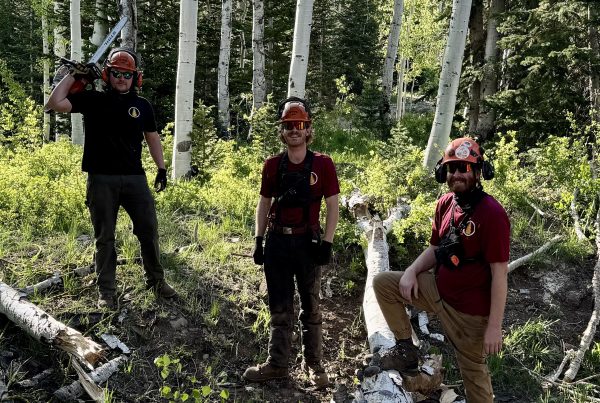
Canyon Cutters is locally owned and operated in Park City, Utah. Our primary focus is homes and property located on and near the ski resorts of Park City, where difficult terrain is normal and safe access is part of every plan. We offer a full arborist solution for residents of Park City and Heber City, Utah, and we also specialize in forestry applications for fire mitigation work needed in the Wasatch and Uinta Mountains.
If you are new to Canyon Cutters, start with our homepage and the services overview. If you want to see the team behind the work, visit the Canyon Cutters team page.
Services we use most for storm recovery
Storm damage rarely fits into one box, so our response often combines multiple services. Canyon Cutters services include Wood Chipping, Land Management, Tree Removal, Dump Truck Hauling, Fire Mitigation, Tree Pruning, Stump Grinding, Snow Removal, Clearing Trails for Ski in and Ski Out, Erosion and Drainage Construction Solutions, Storm Cleanup, and Property Rehabilitation.
Here is how those services connect to storm recovery:
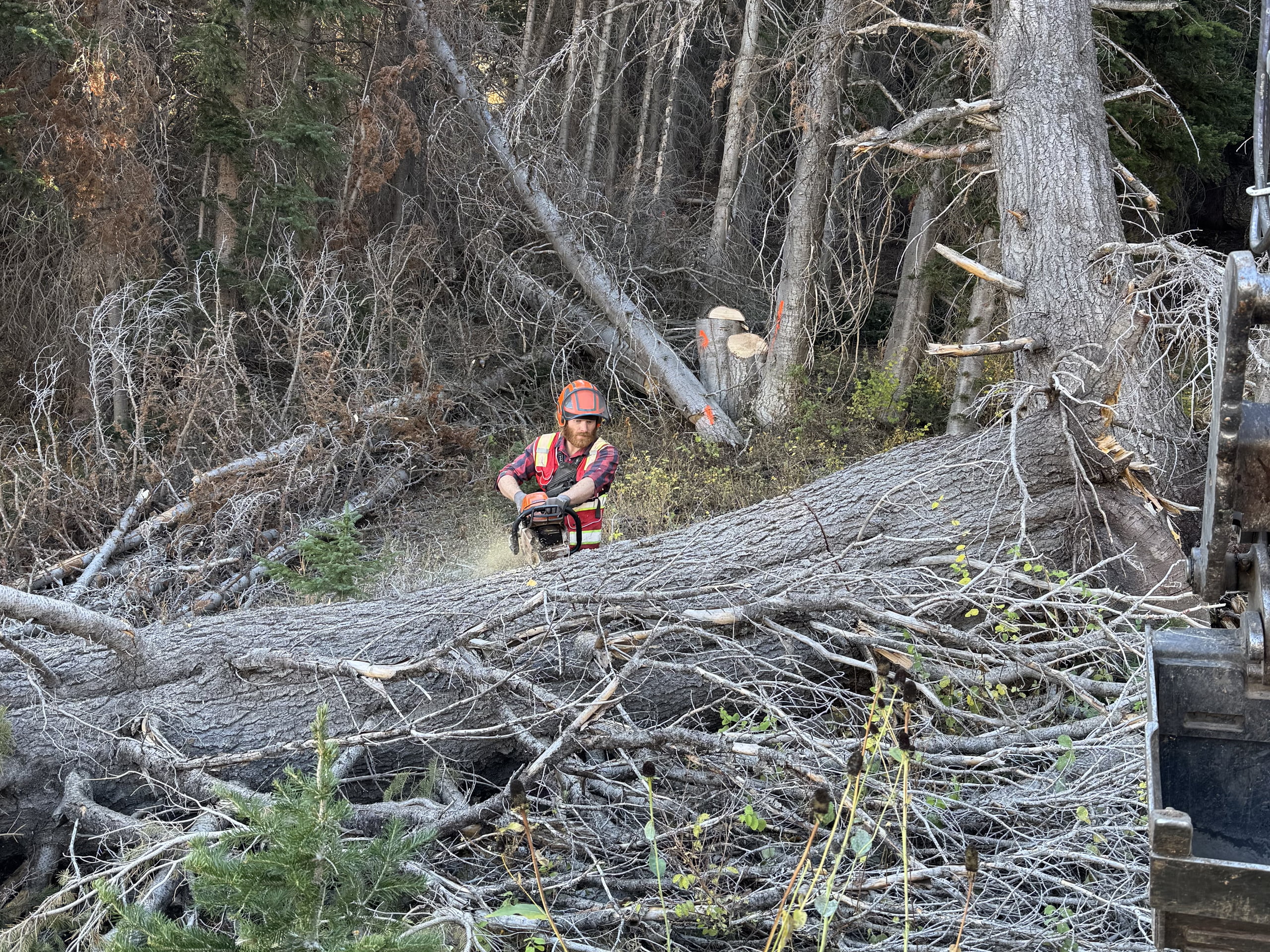
- Storm Cleanup: We remove fallen limbs, blowdown, and storm debris so your property is safe and usable again. For a storm-focused overview, see our storm cleanup resources.
- Tree Removal: When trees are unstable or compromised, removal prevents delayed failures that can hit homes, decks, fences, and driveways. If you want a storm-specific angle, our storm debris cleanup guide explains the common scenarios we see in Park City and Heber City.
- Tree Pruning: Pruning removes broken limbs and reduces future sail area in wind. If you want to understand pruning basics, our tree pruning guide is a helpful starting point.
- Wood Chipping: Chipping turns storm debris into manageable material. In many cases, chips can be reused for erosion control or hauled off depending on your goals. Learn more in our wood chipping guide.
- Dump Truck Hauling: Hauling matters when debris volume is high or access must be restored quickly. Our hauling approach shows up in guides like tree branch haul away in Park City and yard junk removal in Park City.
- Stump Grinding: After storm removals, stumps can become trip hazards and block grading work, so grinding keeps the site safer and cleaner.
- Snow Removal: Winter storms can trap homeowners behind drifts and fallen branches. If you want a winter access overview, see our snow removal guide.
- Clearing Trails for Ski in and Ski Out: Storms can drop trees across private ski routes and cut access lines. Clearing is about safety and flow, not just cutting.
- Erosion and Drainage Construction Solutions: When runoff damages slopes or driveways, we design and build drainage that controls the next melt and the next downpour.
- Fire Mitigation: Storm debris becomes fuel in the dry season. We remove hazardous fuel and create safer spacing.
- Land Management and Property Rehabilitation: These services help you recover the land itself, not just remove the debris. If your site needs clearing, see our land clearing guide.
Why mountain access changes the plan
Ski resort neighborhoods often have tight road geometry, steep driveways, limited turnaround space, and sensitive landscaping. Storm work must be staged carefully. In some cases, the safest plan includes equipment selection that reduces ground disturbance and keeps the site stable. That is one reason many homeowners review recent Canyon Cutters project photos before scheduling an assessment.
Storm Damaged Trees: What to Look For and What to Avoid
Trees are often the biggest risk after a storm. The danger is not limited to the tree that already fell. The bigger concern is the tree that is partially failed, cracked, or under tension.
Here are warning signs that deserve professional attention:
- Fresh cracks running up the trunk or into major scaffold limbs.
- Soil heaving or lifting near the base, especially on the uphill side.
- Roots exposed after runoff or driveway edge failures.
- Large limbs hanging and lodged in the canopy.
- A tree that now leans in a new direction after wind or snow load.
Homeowners sometimes want to handle basic cleanup themselves. Minor debris pickup can be fine. But pruning storm damaged limbs can be dangerous because bent wood can be under heavy tension. Utah State University Extension warns to use extreme caution because damaged branches can shift or break during cutting, which can cause injury. You can read their storm cleanup guidance at USU Extension storm cleanup for trees.
If you want a reality check on how long trees can remain hazardous, the U.S. Forest Service notes that hazard trees can remain a problem long after storms, especially after ice damage and limb cracking. Their overview at USFS hazard trees guidance is a good reminder to treat storm damaged trees as ongoing risks until assessed.
How Canyon Cutters approaches storm damaged trees:
- Assessment: We identify failure points, lean direction, targets, and safe work zones.
- Access plan: We choose equipment and rigging that fits steep terrain and sensitive landscaping.
- Work scope: We prune broken limbs when safe, remove hazardous trees when needed, and leave healthy structure intact whenever possible.
- Cleanup: We chip, haul, and leave the site clean so you can use the property again.
If you need a storm debris focused approach, our storm debris removal guide for ski resort properties explains why speed matters and what a safe cleanup sequence looks like.
Debris Removal and Storm Cleanup: Safe, Fast, and Eco-smart
Storm debris is not just messy. It blocks access, hides hazards, and can redirect water into places that erode slopes. A storm damage contractor should treat debris removal as a system, not a single task.
Effective storm debris removal usually follows this sequence:
- Open emergency access: Clear the driveway, road edge, and critical walk paths first.
- Remove hazards: Address hangers, cracked stems, and unstable piles that could shift.
- Stage material: Separate green waste, construction debris, and metal so disposal is clean and predictable.
- Chip or haul: Use wood chipping when appropriate and dump truck hauling when volume is high.
- Final detail cleanup: Blow off hard surfaces, clear drains, and verify the property is safe to use.
In Park City, one of the biggest differences is terrain. Material that is easy to drag on flat ground can be dangerous on a steep slope. That is why many homeowners rely on trained crews and proper equipment rather than DIY dragging and cutting.
If you need a fast overview of how Canyon Cutters handles debris volume, our tree branch haul away guide and yard junk removal guide
Erosion and Drainage Construction Solutions After Storms
Storms often expose drainage issues that have been building quietly for years. In mountain neighborhoods, water moves fast. If it cannot follow a controlled path, it finds a path through your driveway edge, your landscaping, or your slope.
Common post-storm drainage problems in Park City and Heber City include:
- Culverts blocked by branches, needles, or ice.
- Downspouts dumping onto frozen ground, creating ice sheets or ruts.
- Driveway runoff cutting channels along the inside of switchbacks.
- Overland flow crossing private trails and creating gullies.
- Spring melt saturating soils and triggering slumps on steep grades.
A smart fix is not always a big fix. Often, it is a better route. Canyon Cutters erosion and drainage work may include regrading, swales, diversion berms, armored drain outlets, and other construction solutions that guide water where you want it to go. This work pairs well with storm cleanup because debris removal is often required before drainage can be corrected.
Permits can be part of the picture when grading, drainage, or construction changes are significant. For general permitting and inspection information in the area, see the Summit County Building Department page at Summit County permits and inspections. If your project touches stormwater controls at a larger scale, Summit County stormwater requirements can also apply, as described in county materials like Summit County stormwater requirements.
When you want examples of drainage and land work in the region, you can also browse Canyon Cutters local service pages such as tree care and land management in Kamas and tree care and land management in Hoytsville
Snow and Ice Damage: Access, Ice Management, and Winter Safety
Winter storms in Park City can create a mix of damage and access problems: heavy snow, roof edge ice, drifted driveways, and fallen limbs that make plowing risky. A storm damage contractor in a ski resort area must think about safe access first, then cleanup, then prevention.
Key winter storm priorities:
- Reopen access: Clear the driveway and turnaround areas so vehicles can move safely.
- Remove tree hazards: Clear limbs that can fall onto the plow route or block visibility on turns.
- Reduce ice risks: Address drainage that is freezing across walkways and driveways.
- Monitor roof and trees: Heavy snow can stress both, especially during warm-cold cycles.
For winter safety reminders, public guidance like National Weather Service snow storm safetyweather.gov roof ice dams
On the service side, Canyon Cutters handles snow access and cleanup as part of our mountain property work. If you want a practical overview of equipment, scheduling, and safety, see our snow removal guide
Fire Mitigation After Wind and Storm Events
In the Wasatch and Uinta Mountains, storm debris becomes wildfire fuel when the weather turns dry. Wind events can drop branches and create piles of dead material in exactly the places embers like to land: corners, fence lines, under decks, and the downhill side of vegetation clusters.
After storms, fire mitigation often includes:
- Removing deadfall and storm dropped branches from the home ignition zone.
- Chipping and hauling slash so it does not become seasonal fuel.
- Pruning lower limbs to reduce ladder fuels where appropriate.
- Clearing access routes so emergency response is not blocked.
If you want Utah-specific wildfire preparedness resources, start with the Utah Division of Forestry, Fire and State Lands community preparedness page at Utah DNR wildfire community preparedness. For local defensible space guidance, you can also review the Park City Fire District page at Park City defensible space guidelines.
Canyon Cutters also covers wildfire readiness for mountain homes in our wildland fire preparedness guidewildfire emergency kit checklist
Clearing Trails for Ski in and Ski Out After Storms
When a storm drops trees across a private ski route, the job is not simply to cut and move wood. Ski-in ski-out access depends on predictable lines, safe sight distance, and a stable surface that does not turn into an icy chute.
Clearing trails for ski in and ski out often includes:
- Removing blowdown while protecting surrounding trees and root zones.
- Hauling or chipping debris so it does not form berms that catch water and ice.
- Addressing drainage so meltwater does not cross the route in dangerous ways.
- Coordinating work windows so access is restored as quickly as possible.
This is one of the reasons Canyon Cutters focuses on properties near ski resorts. If your access route is blocked, start with a storm cleanup overview like our ski resort storm debris removal guideCanyon Cutters contact
A Long-Term Property Rehabilitation Plan for Mountain Homes
Storm recovery is easier when the property is maintained like a system. Trees, drainage, access routes, and ground cover all work together. A long-term plan reduces emergency calls and reduces the chance that a storm turns into a season-long problem.
A strong mountain property plan often includes:
- Annual land management: Remove deadfall, manage brush, and keep access routes clear. Learn more in our land clearing guideyard junk removal in Park City.
- Tree pruning cycle: Address structure, deadwood, and clearance before peak snow and wind seasons. Start with our tree pruning guide
- Fuel reduction: Remove storm created debris and reduce ladder fuels. The workflow connects well with brush clearing cost planningwildland fire preparedness guide.
- Drainage upkeep: Clean drains and culverts before storms, then check them again after storms.
- Winter access planning: Align snow removal schedules with your property layout. See our snow removal guide
If you want to see what this looks like in real projects, review Before and After photosCanyon Cutters gallerycontact form
Storm Damage Checklists: Before, During, and After
Before the storm
- Walk the property and note dead branches, leaning trees, and clogged drains.
- Secure loose outdoor items that can become wind debris.
- Confirm how to reach your property if roads become restricted or drifted.
- Photograph high-value landscaping and structures for baseline records.
- Schedule preventive pruning with a local crew through Canyon Cutters services.
During the storm
- Stay away from windows during high wind periods.
- Avoid travel on steep roads if visibility and traction are poor.
- If power is out, follow generator safety guidance like Ready.gov power outage tips.
After the storm
- Scan for downed wires and stay clear. See NOAA storm caution guidance.
- Take photos before moving debris. Use guidance like FEMA documentation tips.
- Open access routes first, then address hazards, then clean up and haul.
- If trees are damaged, avoid risky pruning. Review safety tips like USU Extension storm cleanup for trees.
- Call a local storm cleanup crew through Canyon Cutters contact
FAQs
How fast can Canyon Cutters respond after a storm in Park City?
Response time depends on storm intensity, road access, and hazard level. The fastest way to get on the schedule is to contact us through Canyon Cutters contact
Should I remove storm debris before my insurance adjuster visits?
Start by documenting everything with photos and video, then prioritize safety. If debris is creating a hazard or blocking access, removal can be necessary. FEMA and Ready.gov emphasize documenting damage before cleanup, such as Ready.gov recovery guidance and FEMA documentation tips.
What are the biggest red flags when hiring a storm damage contractor?
Be cautious of anyone who demands large cash payments up front, pressures you to sign immediately, or refuses to provide paperwork. Consumer guidance like FTC scam prevention after stormsNAIC contractor scam tips
Can I prune storm damaged branches myself?
Minor cleanup can be safe, but storm damaged limbs can be under tension and can move unpredictably during cutting. Utah State University Extension warns to use extreme caution when pruning storm damaged trees. Review USU Extension storm cleanup tree guidance
Do wood chips help with erosion control after storms?
In many cases, yes. Chips can help protect soil from splash and minor surface erosion, especially when used correctly and not placed where they will wash into drains. Canyon Cutters explains wood chipping options in our wood chipping guide
Do I need permits for drainage and grading repairs in Summit County?
It depends on the scope and location. Larger drainage or grading work may trigger permit requirements. Start by reviewing Summit County building permits and inspectionsSummit County stormwater requirements
How does storm cleanup connect to fire mitigation in Park City?
Storm dropped limbs and deadfall can become wildfire fuel. Removing that material and reducing hazardous fuel near the home lowers risk before the dry season. Utah wildfire preparedness guidance at Utah DNR wildfire community preparednessPark City defensible space guidelines
What should I do if I find mold after storm water intrusion?
Address moisture quickly and follow public health guidance for cleanup. For detailed mold cleanup and safety, see CDC mold cleanup guidanceEPA mold cleanup guidance
Next Steps: Get a Storm Recovery Plan from Canyon Cutters
If you need a storm damage contractor in Park City or Heber City, start with a quick plan: document the damage, identify hazards, and restore safe access first. Canyon Cutters can help you clear storm debris, remove hazardous trees, haul and chip material, restore drainage, and set your property up to handle the next storm better.
To schedule an assessment, visit Canyon Cutters contactservicesservice agreement