Land clearing companies help property owners turn overgrown, unsafe, or inaccessible ground into usable space, but in Park City, Heber City, and the surrounding mountain communities, the work is rarely as simple as cutting brush and hauling debris. Steep grades, wildfire exposure, drainage concerns, tree preservation, snow load, limited access, and resort-area aesthetics all matter. That is why choosing a company with arborist knowledge, wildfire mitigation experience, and mountain-property logistics is often far more important than choosing the lowest price.
For local homeowners, builders, HOA managers, and estate property owners, the right land clearing plan should improve access, reduce fire risk, protect healthy trees, support drainage, and leave the site cleaner and safer than it started. In Park City, that often means selective clearing instead of indiscriminate removal, careful work around ski access routes and driveways, and a crew that can combine land management, tree removal, wood chipping, hauling, storm cleanup, and property rehabilitation into one coordinated scope. Canyon Cutters, a locally owned and operated company in Park City, focuses on homes and properties located on and near the ski resorts of Park City and offers a complete arborist solution for residents of Park City and Heber City, along with forestry applications for fire mitigation in the Wasatch and Uinta Mountains.
Table of Contents
- What Land Clearing Companies Actually Do
- When to Hire Land Clearing Companies
- Services That Should Be Under One Roof
- Park City and Heber City Site Challenges
- Fire Mitigation and Defensible Space
- Erosion, Drainage, and Stormwater
- Why Arborist Knowledge Matters
- Equipment, Logistics, and Site Protection
- Permits, Planning, and HOA Coordination
- How to Compare Land Clearing Companies
- Why Canyon Cutters Fits Local Properties
- Frequently Asked Questions
What Land Clearing Companies Actually Do
Many property owners hear the phrase land clearing companies and picture a bulldozer flattening everything in sight. On some sites, that kind of approach causes more problems than it solves. A skilled contractor starts by identifying the purpose of the project. Are you creating a safer buffer around a home? Opening a building envelope? Reclaiming an overgrown lot? Restoring access after storm damage? Improving ski in and ski out routes? Preparing for drainage work? The answer should shape every cut, every machine move, and every debris decision.
On mountain properties, land clearing is often a combination of forestry, arboriculture, access improvement, debris reduction, and risk management. That is why many owners prefer a company that already understands tree services, land management, wood chipping, fire mitigation, and storm cleanup in Park City instead of hiring separate crews for each phase. A coordinated approach reduces duplicate mobilization, avoids conflicting recommendations, and makes it easier to protect the parts of the landscape you want to keep.
Difference Between Clearing, Thinning, and Removal
Not every project should end with a bare lot. In fact, many of the best local projects do not. Clearing usually means removing brush, deadfall, selected trees, saplings, slash, stump obstacles, and other material that interferes with safety, access, construction, or maintenance. Thinning is more selective. It focuses on spacing vegetation, reducing ladder fuels, and improving the health and structure of the stand. Tree removal is narrower still, targeting specific trees that are dead, hazardous, poorly placed, storm-damaged, diseased, or in direct conflict with structures and access.
Good land clearing companies can explain which of those approaches fits your site. They should be able to tell you why one group of trees stays, why another goes, and how their work supports your long-term goals. When that level of explanation is missing, property owners often end up paying for work that looks busy on day one but creates sunlight stress, erosion, drainage ruts, or an awkward site plan later.
Why Mountain Properties Need More Than Basic Brush Work
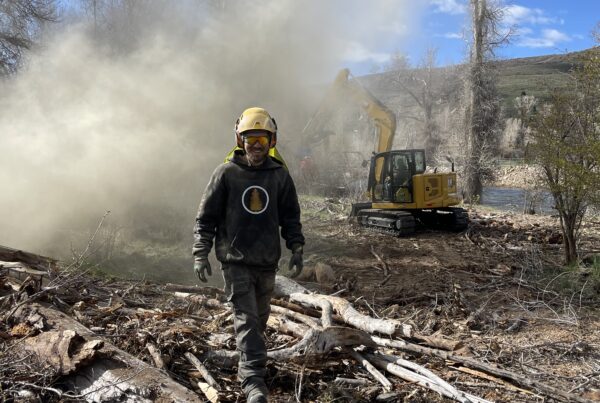
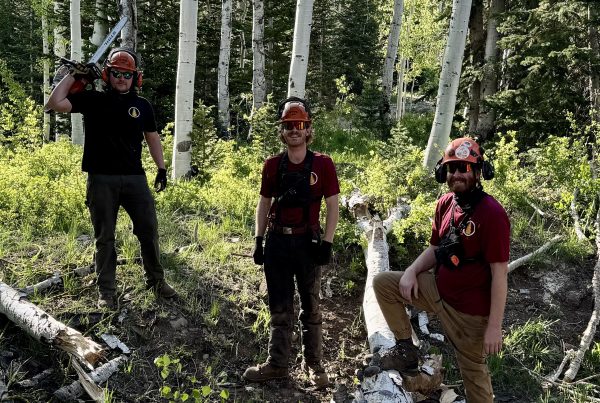
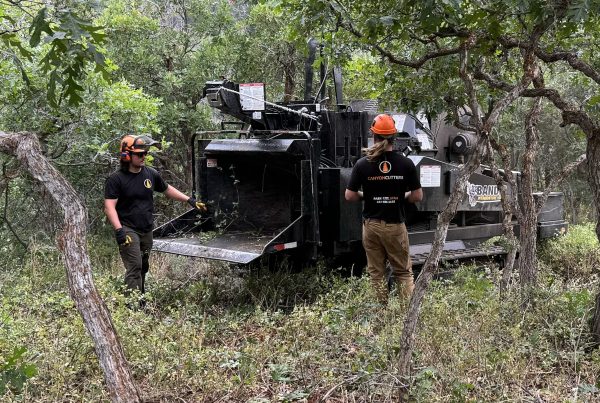
Park City and Heber City properties are not flat suburban lots. They often include slopes, mixed tree stands, rock outcrops, narrow drives, retaining features, drainage paths, and homes built close to forested edges. Crews need to work safely around these constraints while still making measurable progress. That is one reason local owners often look for a team with direct mountain experience, such as the crews featured in the Canyon Cutters gallery, where you can see forestry work, wood chipping, and steep-terrain operations in real project settings.
Another challenge is appearance. A mountain home near a ski resort must still look like a mountain home after the work is done. The best land clearing companies do not leave a property looking scalped, scarred, or stripped. They leave cleaner view corridors, more defensible spacing, better access, and more intentional forest structure.
When to Hire Land Clearing Companies
Homeowners often wait too long to call. They assume land clearing is something to do only when a builder is ready to break ground. In reality, early clearing work can make later phases safer, less expensive, and easier to stage. It can also help you avoid common mountain-property problems like blocked drainage, hidden dead trees, roofline conflicts, dense fuels near structures, and access routes that are too tight for emergency response or contractor equipment.
Before Building or Remodeling
If you are preparing for a home addition, driveway work, retaining wall installation, utility improvements, or a new outbuilding, a clearing contractor can help define what the site actually allows. That may include removing brush and small trees from the build zone, opening access for survey or geotechnical work, exposing stumps and root flare locations, and improving haul routes before larger trades arrive. It is much easier to sequence this work before the site is crowded with materials, fencing, and subcontractors.
In Park City, pre-construction planning should also account for erosion and stormwater controls. The city’s SWPPP guidance explains that some disturbed sites require a state permit and a stormwater pollution prevention plan, with best management practices selected to reduce erosion and sediment impacts. Rather than guessing, owners should treat clearing as part of a larger site strategy.
After Storms, Fire, or Heavy Snow
Some of the most urgent land clearing jobs follow wind events, heavy snow, or summer storms. Broken limbs, uprooted trees, leaning trunks, washed-out shoulders, and blocked access roads can all turn a manageable property into a hazard zone. In those cases, you need more than cleanup labor. You need hazard recognition, saw safety, hauling capacity, and a plan for restoring stable conditions after the debris is removed.
This is where a company that can combine storm cleanup, tree removal, and stump grinding becomes especially useful. Instead of patching together multiple vendors, you can move from emergency response to safer long-term site conditions with one local contact.
For Recurring Property Management
Not every project is a one-time overhaul. Many mountain lots need routine attention to keep fuels down, preserve access, manage understory growth, and address dead or declining trees before they become emergencies. Property owners with second homes, rental homes, or large acreage often benefit from recurring land management services in Park City because the work can be phased. That keeps the site healthier and spreads cost more predictably across the year.
Recurring management is especially valuable near the ski resorts of Park City, where aesthetics, safety, and all-season access need to coexist. A property may need selective brush reduction in summer, tree pruning in shoulder season, snow removal in winter, and storm cleanup during high-wind periods. A company already familiar with the lot is usually better positioned to prioritize the next step efficiently.
Services That Should Be Under One Roof
One of the easiest ways to compare land clearing companies is to look at how many related services they can handle without handing your project off to outside crews. That matters because land clearing is almost never the only task. Once vegetation is cut, debris has to be processed or hauled. Once a tree is removed, a stump may remain. Once clearing opens the soil, drainage concerns may appear. Once access is restored, trail or driveway work may follow.
Canyon Cutters’ service list includes wood chipping, land management, tree removal, fire mitigation, tree pruning, storm cleanup, and erosion treatment, along with stump grinding, dump truck hauling, snow removal, trail clearing, and property rehabilitation. For owners, that means fewer handoffs and fewer chances for scope gaps between trades.
Tree and Brush Removal
Selective tree and brush removal is often the backbone of a clearing project. The goal might be improved views, safer structure clearance, access for equipment, reduced wildfire fuel, or basic reclaiming of an overgrown lot. What matters is that the work respects both the use of the property and the biology of the remaining trees. Crews should know how to remove the wrong vegetation without destabilizing the right vegetation.
That is one reason many owners pair clearing with fire mitigation and land management services. In forested neighborhoods, leaving too much dense understory near structures can be risky. At the same time, taking too much canopy too fast can expose soil, dry out the site, and create a raw look that owners regret.
Wood Chipping and Hauling
Debris handling is where many quotes fall apart. One contractor may quote cutting only. Another may stack brush on site and call the job done. A better option is a company that can chip, remove, haul, and explain what stays behind. Wood chipping can reduce debris volume dramatically and make it easier to remove slash from steep or narrow sites. In some cases, chipped material can be reused strategically. In others, it should be hauled away because thick mulch near structures or on certain slopes is not the best fit.
When owners hire land clearing companies, they should always ask whether the price includes cut material processing, haul-off, and site cleanup. A neat pile of debris is not the same as a finished project. On mountain lots, that pile can become a fire hazard, a snow trap, or a visual problem very quickly.
Stump Work, Drainage, and Rehabilitation
Finishing the site is what separates professional work from basic cut-and-go work. Stumps may need grinding if they interfere with access, future construction, grading, or visual finish. Disturbed areas may need stabilization. Drainage may need correction. Ruts may need repair. Some sites also need reconditioning after years of deferred maintenance, which is why services like stump grinding and broader property rehabilitation matter.
On many Park City properties, clearing is only the first half of the value. The second half is whether the site drains better, looks better, feels safer, and becomes easier to maintain once the crew leaves.
Park City and Heber City Site Challenges
Mountain properties demand a different level of judgment than ordinary clearing jobs. Park City and Heber City owners often deal with narrow switchback drives, homes set into slopes, drainage channels that are not obvious until runoff arrives, and tree stands that have both scenic and safety value. That means a local clearing contractor should understand access, grade, snow, wildfire exposure, and neighborhood standards all at once.
Steep Slopes, Limited Access, and Resort Lots
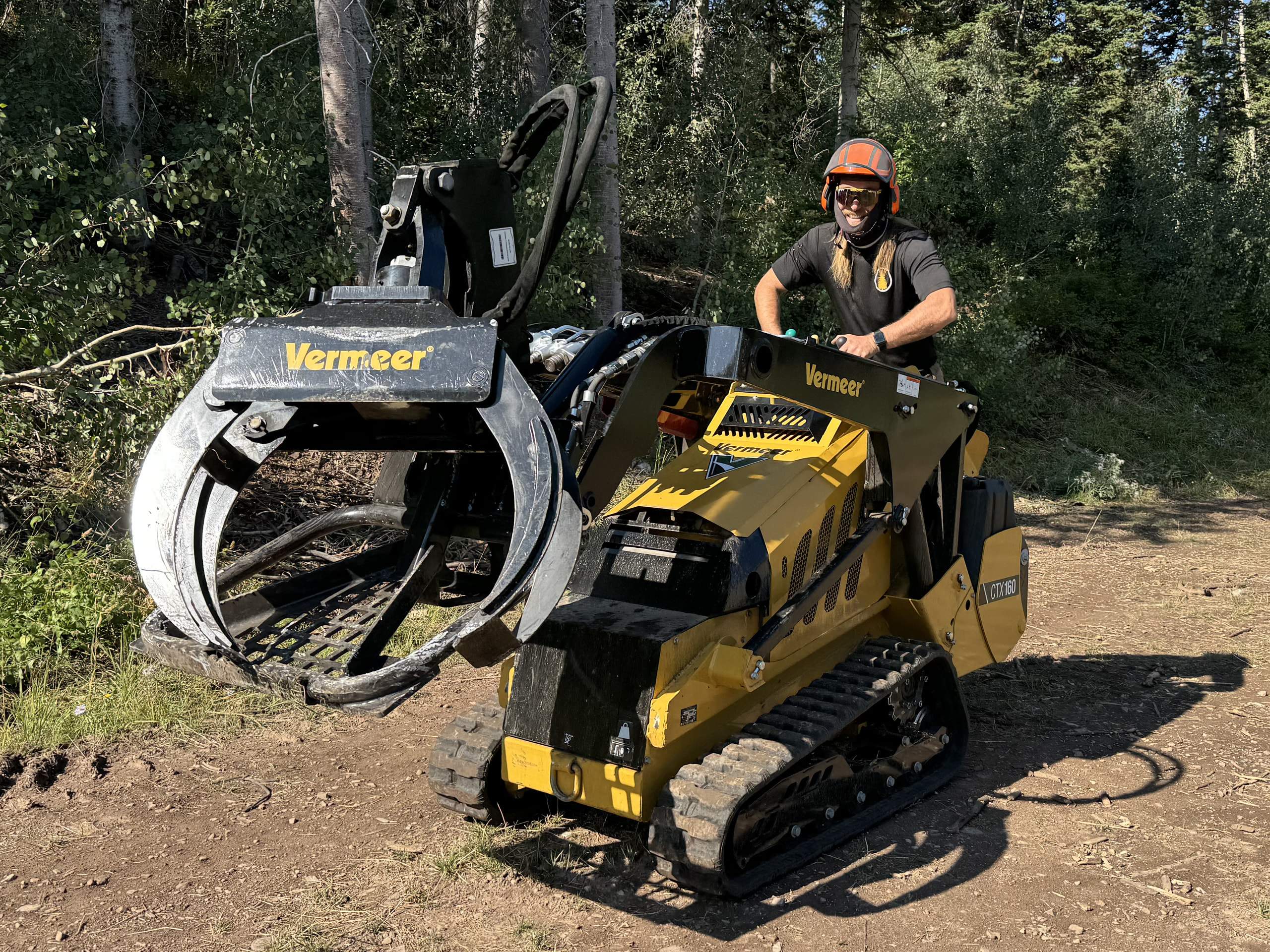
Steep slopes change everything. Equipment selection, footing, debris staging, haul paths, and even where brush can be stacked temporarily all become more complicated. On some lots, the safest route is smaller equipment with more trips. On others, a compact tracked machine, chipper, and haul trailer combination is far more efficient than a larger machine that risks damage or cannot turn cleanly on the property.
Homes on or near Park City ski resort terrain also present access challenges you do not see on flatter lots. There may be tight setbacks, narrow windows for work, shared private roads, and sensitive landscaping around high-value homes. Canyon Cutters specifically focuses on homes and property located on and near the ski resorts of Park City, which makes that local fit especially relevant for owners who want a crew already used to mountain logistics.
Visual Standards and Property Value
A good result should look intentional. That means preserving view framing where possible, avoiding random leftover brush islands, removing obvious fuel ladders, and keeping the work consistent with the architecture and natural character of the property. Overclearing can reduce privacy, expose foundations, make runoff worse, and lower the visual appeal of a wooded mountain lot. Underclearing can leave the same access and wildfire problems you started with.
The right contractor should be able to walk the property with you and discuss where to open it up, where to leave screening, where to create defensible spacing, and where to save stronger specimen trees. This is especially important for owners who plan to hold the property long term and want it to remain valuable, usable, and attractive year after year.
Fire Mitigation and Defensible Space
In Utah mountain communities, land clearing is often inseparable from wildfire preparedness. The most effective projects do not simply make a lot look tidier. They reduce fuels in ways that support safer fire behavior around structures and along access routes. That is one reason land clearing companies with forestry and mitigation experience are especially valuable in the Wasatch and Uinta Mountains.
Why Fuel Reduction Matters
The U.S. Department of the Interior explains that fuels management improves wildfire resilience by reducing small trees, brush, dead branches, and limbs, often called ladder fuels. The U.S. Forest Service also describes fuel treatments as work that reduces surface fuels and ladder fuels while increasing spacing between tree crowns. In plain terms, that means well-planned clearing can make it harder for fire to climb from ground vegetation into the canopy and harder for dense fuels to carry flame intensity toward structures.
For homeowners, that translates into practical tasks such as removing deadfall, thinning dense saplings, reducing brush concentrations, pruning lower branches where appropriate, and improving spacing around structures and driveways. Canyon Cutters’ local wildland fire preparedness guidance and fire mitigation services fit naturally into land clearing projects for mountain homes.
Zone-Based Clearing Around Structures
Park City publishes a home ignition zone guide that identifies an immediate ignition zone from 0 to 5 feet from the structure, an intermediate zone from 5 to 30 feet, and an extended zone from 30 to 100 feet. The city guidance calls for removing dead and dying vegetation near structures, managing grasses, reducing ladder effect vegetation, improving spacing between clusters, and keeping combustible debris away from roofs, gutters, decks, and the structure itself. Likewise, NFPA’s home ignition zone material emphasizes the importance of the area closest to the home and the role of vegetation and debris management in wildfire preparation.
This matters because many owners still think wildfire risk begins at the fence line. In reality, the area right next to the home is often the most critical. Utah State University Extension notes that embers are a leading cause of home ignitions during wildfires. A property can have a scenic forest beyond the home, but if needles, leaves, wood piles, dead vegetation, or combustible mulch collect close to the structure, embers can find easy ignition points.
How Land Clearing Supports Home Hardening
Land clearing does not replace home hardening, but it supports it. Clearing crews can help remove combustible buildup under decks, improve clearance near siding and overhangs, expose problem areas around fences, and reduce vegetation where embers are most likely to start spot fires. Park City’s guidance also highlights details such as keeping roofs and gutters clear and using noncombustible connections and materials near the home where possible.
For mountain homeowners, the best strategy is rarely a single service call. It is a repeated cycle of inspection, selective clearing, cleanup, pruning, and maintenance. That is why property owners looking at land clearing companies should think beyond one weekend of cutting and ask who can help keep the site wildfire-ready over time.
Erosion, Drainage, and Stormwater
One of the most overlooked risks in land clearing is what happens after vegetation is removed. The site may look cleaner, but runoff can become more aggressive, sediment can move downhill, and disturbed soils can create problems for neighbors, driveways, drainages, and water quality. On sloped lots, those issues can show up quickly after rain or spring melt.
Why Clearing Can Create Water Problems
Vegetation slows water, stabilizes soil, and helps hold slopes together. When too much cover is removed too fast, water concentrates, soil loosens, and fine sediment starts moving. That is why owners should be wary of land clearing companies that talk only about cutting and hauling. The moment the job opens bare ground, drainage and erosion become part of the job whether anyone planned for them or not.
The U.S. Environmental Protection Agency’s construction stormwater guidance stresses the need to design, install, and maintain erosion and sediment controls and to stabilize disturbed areas when work stops for extended periods. In Utah, Utah State University Extension’s construction stormwater guidance explains that activities disturbing one acre or more generally require authorization under the Utah Pollutant Discharge Elimination System. On the local side, Park City’s SWPPP information explains when certain sites need a state permit and a stormwater pollution prevention plan.
How Good Contractors Manage Runoff
Good contractors think about where water will go before the first load leaves the site. They pay attention to disturbed slope faces, exposed soil, outlet protection, driveway crossings, and how traffic will track sediment offsite. They also know when clearing should pause until erosion controls, drainage corrections, or follow-up rehabilitation are ready.
For local properties, that may include pairing land clearing with erosion and drainage construction solutions so the finished site performs better in real weather. It can also mean leaving stabilizing vegetation in strategic places rather than stripping a slope clean. Clearing should improve function, not create a runoff problem that shows up during the next storm.
Owners should also ask how the company will leave the site if weather interrupts the job. A responsible answer includes temporary stabilization, defined debris areas, and a plan to keep runoff from carrying soil into roads, ditches, neighboring land, or waterways.
Why Arborist Knowledge Matters
Many clearing jobs involve trees that are worth saving. That is where arborist knowledge becomes a major advantage. A pure excavation mindset may focus on removal speed, but a tree-focused company can often preserve better trees, identify hazard trees more accurately, and make pruning decisions that improve structure rather than weaken it.
Selective Clearing vs. Overclearing
Selective clearing is the practice of removing what harms the property while keeping what supports it. That might mean taking out dead standing trees, crowded saplings, damaged stems, poor-form volunteers, and brush concentrations while retaining healthier mature trees, privacy screening, slope-supporting root zones, and high-value visual anchors. It is a more thoughtful process than bulk removal, and for mountain neighborhoods it is usually the better one.
Property owners can get a feel for that approach by reviewing Canyon Cutters’ broader Park City tree services and land management work, where fire mitigation, pruning, removal, and cleanup are presented as connected services rather than isolated upsells.
Pruning, Health, and Long-Term Structure
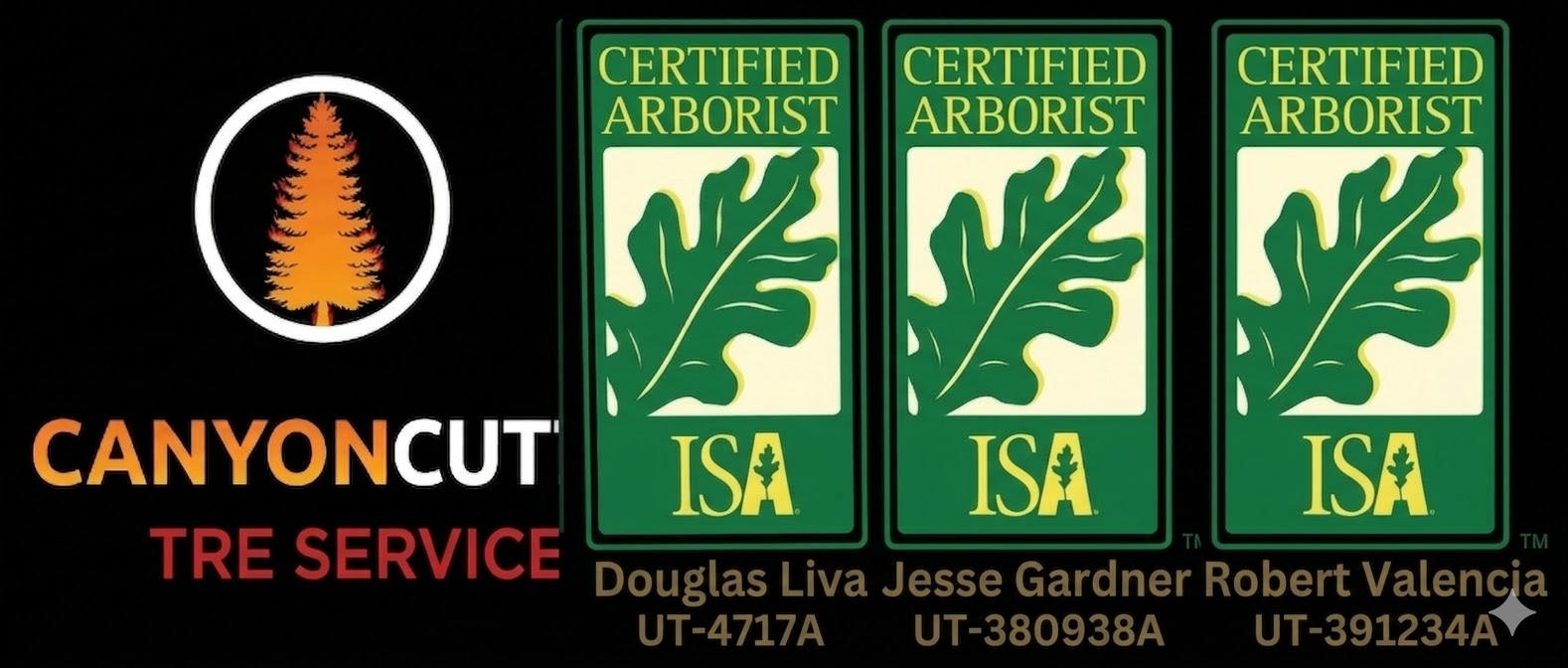
The International Society of Arboriculture notes that pruning large trees can be dangerous and that pruning above ground or with power equipment should be handled by an ISA Certified Arborist. ISA also warns that topping is one of the most harmful pruning practices. Those points matter in clearing work because the line between pruning and removal is not always obvious. A contractor may recommend cutting back overextended branches instead of removing the entire tree, but that only helps if the cuts are structurally sound and species-appropriate.
In fire mitigation work, pruning must also balance fuel reduction with tree health. Raising canopy too aggressively, cutting in the wrong places, or creating large wounds can stress a tree and create future failures. A company that already performs tree pruning and understands local tree care can usually make better decisions than a crew focused only on fast removal.
This is especially important on premium residential lots. The wrong cut can take decades of value off a mature tree. The right cut can improve clearance, reduce risk, and preserve the character of the property.
Equipment, Logistics, and Site Protection
Equipment matters, but bigger is not always better. The right machine for a mountain property is the one that can access the work safely, complete it efficiently, and leave the least collateral damage behind. That includes chipper selection, loader size, track choice, trailer routing, and whether a crane or specialty setup is needed for a particular tree or access challenge.
Matching the Equipment to the Property
On some jobs, compact tracked equipment is ideal because it can move carefully through narrow or steep terrain with lower surface impact. On others, larger machines reduce handling time and hauling cycles enough to justify their footprint. The key question is whether the contractor can explain why that equipment mix fits your site, access, and finish expectations.
Experienced land clearing companies should also plan chipper placement, haul routes, staging areas, crew movement, and emergency access before work starts. That planning becomes even more important on private drives, near retaining walls, or around homes that cannot tolerate rutting, broken irrigation, or crushed hardscape.
Protecting Driveways, Retaining Walls, and Finished Areas
It is not enough to clear the site. The contractor also has to protect what remains. Ask how they will protect paving edges, curbs, decorative stone, irrigation, lighting, drainage features, and finished landscape areas. Ask how they will avoid tracking mud or slash across the road. Ask where they will turn equipment and where debris will be stacked while the work is in progress.
Mountain properties often include expensive details that are easy to damage and hard to repair. That is another reason a local company with repeated experience on resort-area homes tends to be a better fit than a generic brush crew. Efficient clearing should not come at the cost of repaired walls, re-poured asphalt, or broken drainage features.
Permits, Planning, and HOA Coordination
One of the smartest things a homeowner can do before hiring land clearing companies is clarify what approvals, notices, and restrictions apply to the site. Depending on location and scope, that can include city requirements, subdivision rules, HOA design standards, stormwater obligations, or wildfire-related site expectations. The contractor does not need to replace your legal or design review process, but they should be comfortable working within it.
Questions to Ask Before Work Starts
Before work begins, ask whether there are protected trees, slope limits, haul-hour restrictions, noise limitations, access permissions, or permit thresholds tied to the project. Ask whether stormwater planning is needed. Ask whether the property sits in an area where wildfire-related site standards may affect vegetation management around the structure. Ask whether the company has worked in your neighborhood or on similar lots nearby.
For Park City owners, it is wise to review local resources such as the Park City WUI code page and the city’s SWPPP guidance before major site disturbance. If you are unsure how those rules apply, that uncertainty is a reason to slow down and confirm, not a reason to skip planning.
Documentation and Scope Control
Good documentation protects both sides. Your estimate should specify what is being removed, what is being preserved, whether haul-off is included, how stump work is handled, whether chips stay or go, and how the site will be left at completion. If erosion controls or drainage improvements are part of the work, they should be listed clearly. If they are not, that should also be clear.
Photos, marked trees, simple maps, and written notes can prevent misunderstandings. This is especially important on wooded lots where one owner’s idea of “clear that area” can differ dramatically from what a crew sees on arrival. The best contractors welcome clear scope definition because it keeps the project efficient and reduces the chance of disputes.
How to Compare Land Clearing Companies
Most homeowners do not hire land clearing companies often, so it can be hard to know what separates a strong bid from a risky one. Start by looking beyond price. The real question is not just what the job costs. It is what the price includes, how the site will look and perform afterward, and whether the company has the experience to work safely on your specific type of property.
What to Look For in an Estimate
A solid estimate should explain the scope in plain language. It should describe the vegetation to be removed, the method of debris handling, the equipment plan, the cleanup standard, and any optional add-ons such as stump grinding, haul-off, drainage corrections, or follow-up maintenance. It should also tell you what assumptions are built into the bid, such as access conditions, weather windows, or disposal expectations.
It helps when the company can point to related local work, such as land clear services in Park City and Heber City, land management projects, or disaster cleanup work that reflects the kind of terrain and risk profile you have.
Red Flags to Avoid
Be cautious if a company cannot explain what stays and what goes, gives a vague cleanup promise, ignores drainage implications, or suggests removing large amounts of vegetation with no discussion of erosion or wildfire layout. Be careful with quotes that do not address hauling, stump disposal, site finish, or protection of existing features. Be cautious if the contractor seems unfamiliar with mountain access issues, wildfire terminology, or basic tree care principles.
Another red flag is a company that treats every lot the same. The right land clearing companies adapt their approach to the site, the owner’s goals, and the larger property plan. That flexibility often produces a better result than a one-size-fits-all clearing package.
Why Canyon Cutters Fits Local Properties
For homeowners and property managers in Park City and Heber City, Canyon Cutters stands out because the company is built around the kinds of projects local mountain properties actually need. The business is locally owned and operated in Park City, focuses on homes and property located on and near the ski resorts of Park City, and provides a complete arborist solution for residents of Park City and Heber City. It also specializes in forestry applications for fire mitigation work needed in the Wasatch and Uinta Mountains.
One Company, Many Related Services
That range matters. Instead of hiring one crew for brush clearing, another for tree removal, another for hauling, and another for fire mitigation follow-up, owners can work with a company that already offers wood chipping, land management, tree removal, dump truck hauling, fire mitigation, tree pruning, stump grinding, snow removal, ski trail clearing, erosion and drainage construction solutions, storm cleanup, and property rehabilitation. On complex sites, this saves time and reduces coordination headaches.
It also makes longer-term planning easier. A property that starts with land clearing this season may need pruning, fire mitigation touch-ups, stump work, drainage corrections, or snow access support later. Having one team familiar with the site can make each later phase more efficient and more consistent.
Built for Park City Mountain Work
Local knowledge is not just a marketing phrase. It affects how crews plan around slopes, snow, drive access, wildfire exposure, and the expectations of owners who care about both safety and appearance. Canyon Cutters’ local focus is visible across its team page, project gallery, and contact page, where the company presents itself as a first-choice arborist service for Park City and Heber City rather than a general labor outfit that happens to cut brush.
If your goal is a cleaner, safer, more usable mountain property that still looks like it belongs in Park City, that mix of arborist service, land management, and fire mitigation is exactly what you want to see when evaluating land clearing companies.
Frequently Asked Questions
How are land clearing companies different from general excavation contractors?
Land clearing companies focus on vegetation, trees, brush, debris, access, and site preparation related to plant material and overgrowth. Some excavation contractors also perform clearing, but a company with arborist and forestry experience is often better equipped to protect desirable trees, address wildfire fuels, and finish wooded residential sites cleanly.
Do I need complete lot clearing for a mountain home in Park City?
Usually not. Many Park City properties benefit more from selective clearing, thinning, pruning, deadwood removal, and defensible space work than from total clearing. The best plan depends on your goals, your slope, your tree health, your drainage, and your wildfire exposure.
Can land clearing help reduce wildfire risk?
Yes. When done correctly, clearing can remove dead vegetation, reduce brush concentrations, break up ladder fuels, improve spacing, and support defensible space around structures and access routes. It works best when paired with ongoing maintenance and home hardening measures.
What should I ask before accepting a bid?
Ask what will be removed, what will stay, how debris will be handled, whether haul-off is included, whether stumps are included, how the site will be protected, what erosion or drainage steps are planned, and how the property will look when the job is finished.
Will the company haul away wood chips and debris?
That depends on the contract. Some projects include chipping and full haul-off. Others leave chips on site by request. Always confirm whether the price includes processing, removal, and final cleanup so there are no surprises after cutting is complete.
Do permits matter for land clearing?
They can. Depending on your location and the amount of disturbance, you may need to review local rules, stormwater requirements, HOA standards, or wildfire-related site guidance. In Park City, owners should review local WUI and SWPPP information before larger disturbance projects.
Why does stump grinding matter after clearing?
Stumps can interfere with future grading, landscaping, driveway alignment, access, and visual finish. Grinding is often the cleanest way to complete a clearing project when the goal is a more usable and more polished site.
Why choose a local company like Canyon Cutters?
A local company already understands Park City terrain, resort-area access, wildfire concerns, snow realities, and the expectations of mountain homeowners. Canyon Cutters also offers related services that often need to be combined with clearing, such as fire mitigation, pruning, hauling, storm cleanup, and drainage solutions.