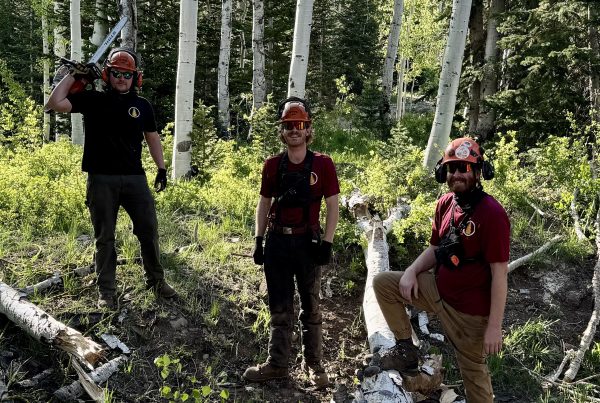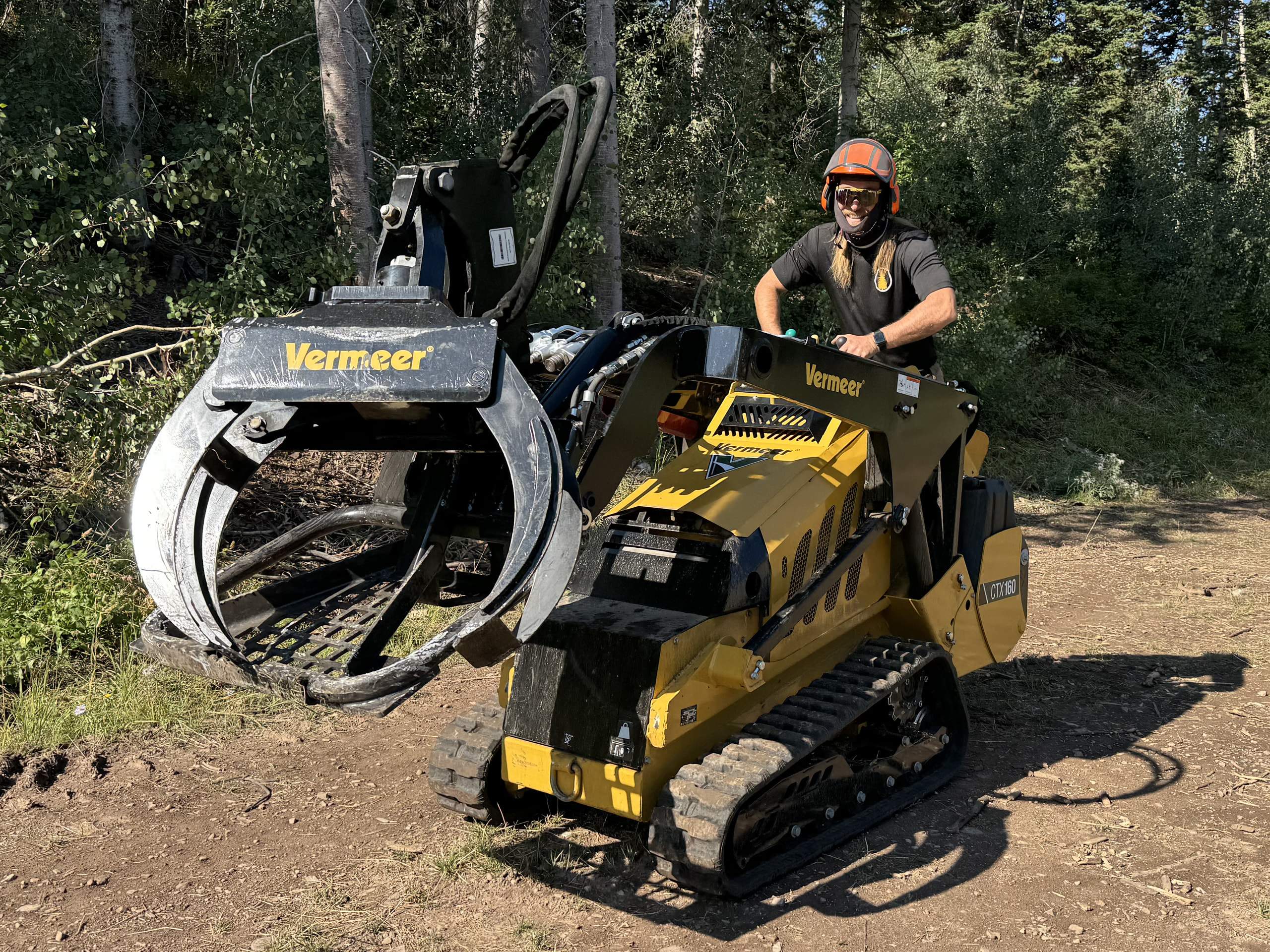
Arborist services help Park City property owners protect trees, reduce wildfire risk, and keep steep mountain lots usable through every season. For homes, rentals, HOAs, and ski-resort-adjacent properties, Canyon Cutters brings a local approach from Park City and Heber City with tree removal, pruning, wood chipping, land management, fire mitigation, storm cleanup, stump grinding, snow removal, and more.
Table of Contents
- What arborist services include for Park City and Heber City properties
- Why mountain properties need specialized tree care
- Tree pruning that protects health and curb appeal
- Tree removal, hazard trees, and emergency response
- Wood chipping, stump grinding, and debris cleanup
- Land management, trail clearing, and property rehabilitation
- Fire mitigation for the Wasatch & Uinta Mountains
- Storm cleanup, dump hauling, and winter services
- Erosion, drainage, and slope stability
- What to expect when you hire Canyon Cutters
- Seasonal maintenance checklist for Park City and Heber City
- FAQs
- Protect your property before the next season
What Arborist Services Include for Park City and Heber City Properties
Arborist services are the set of tree care and property management tasks that keep a landscape safe, healthy, and usable. On mountain properties, that usually means much more than trimming branches. It can include pruning, removal, wood chipping, stump grinding, storm cleanup, brush reduction, hazard fuel management, hauling, and restoration work after heavy weather or construction.
Canyon Cutters offers a complete arborist solution for residents of Park City and Heber City, Utah, and the company’s mix of services reflects what local properties actually need. Its work includes Wood Chipping, Land Management, Tree Removal, Dump Truck Hauling, Fire Mitigation, Tree Pruning, Stump Grinding, Snow Removal, Clearing Trails for Ski-In & Ski-Out access, Erosion and Drainage Construction Solutions, Storm Cleanup, and Property Rehabilitation. That range matters because a mountain lot often has more than one problem at once. A single project might require pruning overgrown limbs, removing deadfall, hauling debris, and then shaping the ground so the space is easier to maintain.
That broad approach is also what makes Canyon Cutters a useful fit for ski-resort neighborhoods and forest-edge properties. Instead of hiring one crew for cutting, another for hauling, and a different vendor for cleanup, homeowners can work with one local team that understands slope, access, snow, and fire risk from the start. Their home page makes that local focus clear, and the contact page gives property owners a direct path to schedule a site visit, estimate, or emergency response.
In practical terms, arborist services can support beauty, safety, and long-term property value at the same time. Healthy trees add shade and character. Managed trees reduce the chance of storm breakage. Cleanly handled brush and slash reduce visual clutter and fuel loads. On a steep lot, a strong plan can also help make room for equipment, workers, vehicles, and seasonal maintenance. That is especially important in Park City, where winter, wind, and changing moisture can turn a manageable tree issue into a much larger access or safety problem.
For a closer look at the company team behind the work, Canyon Cutters introduces its local crew on the about page. That local knowledge matters because mountain tree work is not just about cutting. It is about judging terrain, choosing the right method, protecting nearby structures, and finishing with a site that is actually cleaner and safer than before.
At the end of the day, arborist services should make life easier for property owners. A good service plan lowers risk, keeps the landscape workable, and prevents small maintenance problems from turning into expensive emergencies. That is the role Canyon Cutters fills in Park City and Heber City.
Why Mountain Properties Need Specialized Tree Care
Mountain lots around Park City and Heber City are beautiful, but they are also harder to maintain than flat suburban properties. Trees grow in tighter spaces, slopes limit equipment access, snow changes the work season, and wind can create sudden hazards. Add ski-resort traffic, private drives, retaining areas, and drainage concerns, and even routine tree care becomes a more technical job.
Canyon Cutters emphasizes homes and property located on and near the ski resorts of Park City, and that focus is visible in the way the company frames its services. Their work is designed for difficult terrain while still protecting the natural beauty of the land. That balance is important. A property owner does not want unnecessary clearing, but they also do not want deadwood, unstable trees, or hidden debris waiting to become a hazard during winter storms or dry summer weather.
Terrain, Access, and Winter Conditions
Access is one of the biggest factors in mountain tree work. A crew may need to move tools and brush across slopes, around homes, and through narrow drive areas. In winter, ice and snow can make that access even more difficult. In shoulder seasons, mud and thaw can create erosion issues if heavy equipment is not used carefully. That is why a local company that already knows the terrain can save time and reduce damage.
Park City and Heber City properties often need work that respects both the land and the weather. Snow can hide stumps, roots, and debris. Freeze and thaw cycles can loosen soil around slopes. Fallen limbs can block driveways, walking paths, and ski access routes. A crew such as Canyon Cutters can plan around those realities instead of treating every lot like a flat subdivision.
Homes Near Ski Resorts and Seasonal Use
Seasonal use makes timing more important too. A second home may sit vacant for weeks, which means a broken limb or blocked trail can go unnoticed until the issue is worse. Rental homes and HOA properties often have tighter appearance standards because guests, neighbors, and maintenance crews all need to move safely through the site. That is where a service plan that includes both tree care and cleanup becomes valuable.
Canyon Cutters also offers before-and-after examples, which can help property owners picture how much difference proper clearing and tree work can make. For lots near the ski hills, that visual proof matters because the goal is never just to remove material. The goal is to open the property, improve access, and keep the landscape functional through the full mountain season.
When a property needs more than one type of attention, a full-service tree partner can reduce stress. One visit can solve pruning, removal, brush handling, haul-away, and site clean-up in a single plan. That is especially useful for owners who live outside the area but still want their Park City property to stay safe and ready.
Tree Pruning That Protects Tree Health and Curb Appeal
Tree pruning is one of the most important parts of arborist services because it does two jobs at once. It improves the way a tree grows, and it reduces the odds that a branch becomes a future hazard. Proper pruning can help control shape, direct growth away from roofs or walkways, reduce deadwood, and keep sunlight and air moving through the canopy.
The International Society of Arboriculture explains pruning through best management practices that help arborists and property owners make sound decisions about tree structure and long-term health in its pruning guidance for arborists. For homeowners, the ISA also provides a useful tree-owner pruning resource that explains why timing, tree condition, and pruning severity all matter. Those principles matter in mountain communities because a tree that is badly pruned can become weaker, not stronger.
Pruning Timing and Technique
Good pruning starts with the right cut in the right place. It is not about topping or stripping a tree. It is about removing what is dead, diseased, crossed, crowded, or likely to fail in the next wind or snow event. In many cases, selective pruning can improve a tree’s structure while keeping its natural form intact.
Timing matters too. The ISA notes that pruning decisions should be made with an understanding of the tree’s growth cycle. That is useful for Park City properties where freeze, thaw, and short growing seasons can create narrow windows for work. A thoughtful pruning plan can be scheduled to support recovery, reduce stress, and avoid unnecessary injury to the tree.
For property owners who want a deeper dive into this topic, Canyon Cutters’ tree pruning guide breaks down techniques, cost factors, and service expectations in more detail. That article pairs well with a site walk-through because every tree is different. A healthy aspen, a stressed pine, and a mature ornamental tree will not need the same approach.
When Pruning Becomes Risk Reduction
In mountain neighborhoods, pruning often becomes a safety job as much as a cosmetic one. Heavy limbs over a roof can break under snow. Branches over a driveway can block access or fall on a parked vehicle. Weak limbs near a trail can create hazards for homeowners, guests, and workers. In those cases, pruning helps reduce risk before a storm does the pruning for you.
Canyon Cutters also deals with the downstream cleanup that pruning creates. That matters because branches, slash, and logs should not just be left in a pile. They should be chipped, hauled, or repurposed in a way that keeps the site usable. For many properties, this is where pruning connects directly to wood chipping services and a cleaner finish.
Pruning becomes especially valuable when a property manager wants to keep a consistent look from year to year. Annual or seasonal pruning can keep trees from encroaching on structures, utilities, or access routes. It can also help the landscape feel intentional instead of overgrown. On a high-value mountain lot, that difference affects both daily use and curb appeal.
Tree Removal, Hazard Trees, and Emergency Response
Sometimes pruning is not enough. If a tree is dead, leaning badly, severely diseased, storm-damaged, or growing in a place where it creates too much risk, removal may be the right choice. Tree removal is one of the most technical parts of arborist work because it combines rigging, cutting, property protection, and cleanup in a single operation.
OSHA notes that the tree care industry includes pruning, removal, plant health care, cabling and bracing, transplanting, consulting, fertilization, and lightning protection in its tree care industry overview. OSHA also provides specific tree care standards and documents that address hazards in the industry. That is a reminder that tree removal is real work with real safety risks, not just a matter of grabbing a saw and cutting until the trunk drops.
How to Recognize High-Risk Trees
High-risk trees often show warning signs long before failure. Dead standing wood, sparse foliage, cracked limbs, mushrooms or decay at the base, major lean, root disturbance, and storm breakage can all point to a problem. Trees with large dead limbs over roofs, decks, walkways, or parking areas deserve close attention. In dry weather, dead or falling material can also contribute to fire risk.
Canyon Cutters describes hazardous fuel on its home page using practical signs like dead standing trees, fallen trees, dense vegetation, and low branches that sit too close to the ground. Those are the kinds of conditions that can lead to both fire spread and access problems. A property with those conditions may need a combination of removal, pruning, chip-away cleanup, and haul-away to get back into manageable shape.
If you are trying to estimate the cost of taking down a tree, Canyon Cutters has a helpful tree cutting cost guide and a tree removal cost estimator. Those resources are useful because removal costs change with size, location, access, cleanup needs, and whether stump work is included.
Safe Removal Around Homes and Roofs
Tree removal near a house is not simple because the drop zone is often limited. The crew may need to use ropes, staged cuts, equipment, and careful debris control to keep limbs from landing on the roof, siding, fence, or driveway. That is especially true where access is narrow or the tree sits on a slope.
If a storm has already pushed a tree into a structure or created a dangerous hang-up, emergency response matters. Canyon Cutters covers this type of work in its emergency tree care guide and its emergency tree surgeon article. Those pages are a good reminder that urgent tree work should be handled by a crew that knows how to move quickly without adding more damage.
For fallen trees in particular, Canyon Cutters has a dedicated fallen tree removal guide. That kind of resource helps property owners understand why a downed tree may require more than a quick cut, especially if it is resting on another tree, blocking a driveway, or tangled in other debris.
When in doubt, a safe removal plan is usually the smarter path. Waiting can let rot spread, roots loosen further, or a partially damaged tree fail during the next weather event. On mountain lots, a delay can also mean more difficult access once snow returns.
Wood Chipping, Stump Grinding, and Debris Cleanup
Tree work does not end when the cutting stops. A strong arborist service also handles what remains on the ground. Branches, tops, brush, and trunks need to be chipped, hauled, or processed in a way that leaves the site clean and usable. That is why wood chipping and stump grinding are such important parts of Canyon Cutters’ service mix.
Wood chipping turns tree waste into a more manageable material that can be removed from the site or repurposed as mulch or ground cover. That keeps brush piles from becoming eyesores, access barriers, or fuel loads. It also helps property owners finish a pruning or removal project in a way that looks complete instead of half done.
Why Chip Brush and Branches
Brush piles can create a tangled mess, especially on sloped land or narrow lots. They can block pathways, snag on equipment, and create a fire concern if left too long. Chipping simplifies the cleanup and reduces the number of separate disposal trips needed after tree work.
Canyon Cutters explains the value of this process in its wood chipping article. That topic matters in Park City because a lot with frequent seasonal maintenance can generate a steady stream of material. Chipping helps keep the property from looking like a work site every time a branch falls or a tree is thinned.
Wood chipping is also useful during fire mitigation because slash and fine fuels should not be left in loose piles around structures, trails, or boundary lines. A clean chip-and-remove process supports safer spacing and makes the area easier to maintain going forward.
Stump Grinding and Grade Restoration
After a tree comes down, the stump can become the next problem. It can trip people, complicate mowing, attract decay, and leave a visible reminder of the old tree for years. Stump grinding helps remove that obstacle and bring the area closer to level. That makes the site easier to use again, whether the owner wants to replant, regrade, or simply keep the area tidy.
Canyon Cutters includes stump grinding as one of its core services, which means the removal process can be finished without leaving the property with a rough, unfinished look. If the surrounding ground needs shaping after stump removal, the company can pair that work with its property rehabilitation and drainage solutions to help the site settle properly.
For property owners comparing options, stump work often decides whether a tree project feels complete. Cutting a tree down is only part of the job. Removing the stump and cleaning the debris is what makes the landscape feel usable again.
Land Management, Trail Clearing, and Property Rehabilitation
Land management is the wider strategy that ties many arborist services together. It is about looking at the whole parcel, not just one tree. That means choosing what to keep, what to remove, where to improve access, how to reduce fire risk, and how to keep the property functional through the seasons.
Canyon Cutters treats land management as an ongoing service, not just a one-time cleanout. Their home page notes that they can return annually in the spring to comb through a property and remove winter debris. That type of seasonal attention can make a big difference in mountain communities where winter damage, downed limbs, and hidden brush can accumulate quickly.
Ski Access and Trail Clearing
One of Canyon Cutters’ more specialized services is clearing trails for Ski-In & Ski-Out access. On the surface, that may sound niche, but for Park City properties it is a practical need. Trails, access paths, and movement corridors must stay open, visible, and safe. Brush, rocks, and deadfall can make a ski access route unusable or dangerous, especially when snow covers the ground and hides obstacles.
Trail clearing is also useful for walking paths, maintenance routes, and utility access. A good trail should not feel over-engineered. It should feel intentional, stable, and easy to use. Canyon Cutters can remove trees, rocks, and other debris to shape access in a way that supports the way the property is actually used.
For a visual example of how this kind of work changes a space, the company’s before-and-after gallery is a helpful reference. It shows how clearing can improve access without stripping away the character of the land.
Restoring Neglected or Disturbed Lots
Property rehabilitation becomes important when a lot has been left too long without care or has been disturbed by construction, storms, or years of gradual buildup. In those cases, the property may need a mix of pruning, debris removal, stump work, brush clearing, grading support, and haul-away before it feels usable again.
Canyon Cutters includes property rehabilitation in its service list because many mountain parcels need more than a quick touch-up. They need a reset. A rehabilitation plan can help a forested yard breathe again, create safer movement through the site, and prepare the land for future maintenance. That may include linking the work to the company’s land management guide, which expands on the value of organized vegetation care.
Good land management does not just fix what is visible today. It also sets up the property to be easier to maintain next year, and the year after that. That is one reason local expertise matters so much in mountain towns. The crew has to think in terms of seasons, not just single visits.
Fire Mitigation for the Wasatch & Uinta Mountains
Fire mitigation is one of the most important reasons homeowners in Park City and Heber City call Canyon Cutters. In dry conditions, overgrown brush, dead material, and tightly spaced trees can all contribute to faster fire spread. Reducing that fuel is not just about compliance or appearance. It is about protecting homes, access routes, and the surrounding landscape.
The U.S. Forest Service explains that defensible space helps slow or stop wildfire spread and gives firefighters a safer area to work around a home in its defensible space guide. Utah’s Forestry, Fire and State Lands office also highlights community preparedness, defensible space, and home-hardening expectations on its community preparedness page. For mountain property owners, those ideas translate directly into the type of field work Canyon Cutters already performs.
Defensible Space and Fuel Reduction
Defensible space is the buffer around a structure that helps reduce wildfire risk. It is created by spacing vegetation, removing dead material, keeping roofs and gutters clear of debris, and reducing the ladder fuels that can carry flames from the ground into the canopy. On a mountain lot, this often means more selective removal than a homeowner might expect.
Canyon Cutters identifies hazardous fuel using practical signs like dead standing trees, dense vegetation, fallen trees, and low branches near the ground. Those conditions can all contribute to the speed and intensity of a fire. Fuel reduction may involve pruning, thinning, clearing, chipping, or full removal, depending on the site.
For deeper reading, Canyon Cutters’ fire mitigation guide and home hardening article show how vegetation management and structural preparation work together. That is a useful pairing because the safest property is usually the one that treats the building and the surrounding ground as one system.
Home Hardening and Site Preparation
Home hardening refers to the changes that make a structure more resistant to wildfire exposure. That can include clearing flammable materials near the house, cleaning gutters, opening access around walls and fences, and reducing the amount of vegetation that can carry fire toward the structure. For a property on the edge of a forest or near resort terrain, those tasks can be especially important.
Canyon Cutters can support that work by removing hazardous fuels, clearing access routes, and helping create a cleaner perimeter around the home. Their services are especially useful where steep slopes make standard maintenance difficult. In those settings, the property owner may need both vegetation reduction and debris handling to keep the site safe and manageable.
Fire mitigation also overlaps with seasonal maintenance. Deadfall that seems minor in spring can become a serious fuel source by late summer. The same is true of brush that has dried out after winter. A local crew that revisits the property season after season can catch those shifts before they become a problem.
For Park City and Heber City residents, fire mitigation is not an abstract idea. It is part of responsible mountain property ownership. Canyon Cutters brings the equipment, labor, and local understanding needed to make real progress on that work.
Storm Cleanup, Dump Truck Hauling, and Winter Services
Storm cleanup is the service that saves property owners after wind, snow, ice, and heavy rain have already done their damage. A mountain storm can drop branches, split trunks, clog driveways, scatter debris, and leave a property unsafe in a matter of minutes. When that happens, cleanup has to be fast, careful, and well organized.
Canyon Cutters lists storm cleanup as one of its core services and also offers dump truck hauling to move material in and out of construction and cleanup sites. That combination matters because storm debris is not just a cutting problem. It is a logistics problem. The material has to be staged, loaded, hauled, and disposed of without causing more damage.
After Wind, Snow, and Ice
Wind can break limbs or topple whole trees. Snow can bend branches beyond their limits. Ice can load trees so heavily that limbs snap and fall without warning. The result is often a mix of broken vegetation, blocked paths, damaged landscape features, and unsafe conditions around the home.
Canyon Cutters’ disaster cleanup guide is a helpful reference for property owners who need fast response after storm, fire, flood, or snow damage. It shows how cleanup can include emergency tree removal, wood chipping, erosion work, drainage repair, and debris hauling in one plan.
When a tree is partially down or tangled with another tree, the situation can get even more dangerous. That is where emergency service is useful. Canyon Cutters handles urgent work in a way that prioritizes safety, structure protection, and cleanup rather than just quick cutting.
Snow Removal and Property Access
Winter service is part of arborist work in this part of Utah because snow changes how the whole property functions. Driveways, parking pads, access roads, and walkway areas all need to stay open. Branches weighed down by snow can also create hazards that need attention before the next storm packs them down further.
Canyon Cutters includes snow removal in its service mix, which gives Park City property owners a single contact for both winter access and landscape cleanup. That is useful for homes near ski areas where visitors, workers, and owners all need a clear route. The company’s snow removal article explains how keeping access open supports broader property maintenance.
Winter service also connects back to arborist work because a tree that is neglected in summer often becomes more dangerous in winter. Broken limbs, leaning trunks, and buried debris can all make snow removal harder. For that reason, a good winter plan starts long before the first big storm.
Erosion, Drainage, and Slope Stability
Mountain lots rarely have simple drainage. Water runs faster on slopes, snowmelt can pool in the wrong place, and disturbed ground can wash away when storms hit. That is why erosion and drainage solutions belong in the same conversation as arborist services. When trees are removed or a lot is cleared, the land can change its water behavior very quickly.
Canyon Cutters lists Erosion and Drainage Construction Solutions as part of its services, which shows how tree work can extend into site shaping and property protection. A lot that drains poorly can undermine driveways, damage planted areas, threaten foundations, and make future maintenance much harder. If a site has riparian zones or erosion easements, the drainage plan becomes even more important.
On a steep property, tree roots, ground cover, and debris all affect water flow. Removing too much without a plan can leave the soil exposed. Leaving too much unmanaged can trap water or direct runoff toward a structure. The right balance depends on the slope, the soil, and the way the property is used through the seasons.
Canyon Cutters can coordinate drainage work with tree removal, brush reduction, and property rehabilitation so the site does not just look cleaner but also behaves better in wet weather. That is the kind of work that pays off long after the crew leaves because it helps protect the land itself.
Drainage issues also show why mountain property care should be approached as a system. Trees, stumps, brush, snowmelt, and grading all influence one another. A complete service plan keeps those pieces aligned instead of solving one problem while creating another.
What to Expect When You Hire Canyon Cutters
Hiring a local arborist company should feel clear from the first conversation. You should know what the crew is going to do, how the site will be protected, how debris will be handled, and what the final result should look like. Canyon Cutters gives property owners a direct path through its contact page, where owners can share the project location, the type of property, and the work needed.
The company also provides a service agreement that lays out the business relationship in writing. That kind of clarity matters because tree work often involves property access, equipment movement, cleanup expectations, and weather-sensitive scheduling. A written agreement helps the owner and the crew start from the same page.
Site Walkthrough, Estimate, and Scope
Most good tree projects begin with a walkthrough. That is the stage where the crew looks at access, tree condition, slope, debris, and any nearby structures or hazards. From there, they can shape a plan that fits the site rather than forcing the site to fit a generic plan.
Canyon Cutters encourages contact for a free consultation, and its pricing-related content can help owners prepare for that conversation. The how to price tree work guide explains the factors that influence pricing, while the wooded lot clearing guide gives a broader view of what a larger project may require.
Before and After Results and Clean Finish
The difference between a rushed job and a well-executed one is often visible in the finish. Did the crew remove the hazard and also clean up the site? Did they leave brush piles, or did they chip and haul material? Did they protect the surrounding landscape, or leave scarring and unnecessary disturbance?
Canyon Cutters’ before-and-after gallery is a strong example of what a finished project should do. It should improve safety, open the site, and still feel respectful of the natural setting. That matters in Park City because many owners want their land to remain beautiful, not over-cleared.
When the project is complete, the best result is one that feels like the property can breathe again. Paths are clearer, hazards are reduced, and the owner can see the land’s structure more easily. That is the kind of result a full-service arborist team should deliver.
Seasonal Maintenance Checklist for Park City and Heber City
Mountain properties benefit from a rhythm of seasonal care. Waiting until a tree falls or a trail disappears under brush usually costs more than staying ahead of the work. A practical maintenance checklist can help owners plan for the year and avoid last-minute surprises.
- Walk the property after major storms and look for hanging limbs, leaning trunks, and scattered debris.
- Check driveways, trails, and ski access paths for branches, rocks, and uneven ground.
- Inspect trees near structures, roofs, decks, and parking areas for deadwood or low limbs.
- Look for areas with dense brush, stacked slash, or fallen material that could increase fire risk.
- Review drainage after snowmelt or rain and note any erosion, pooling, or washout.
- Schedule pruning before trees become too crowded or damaged by winter loading.
- Plan for wood chipping and haul-away so debris does not sit on site for long.
- Consider snow removal needs before winter so access routes stay open.
For properties that need seasonal repeat service, Canyon Cutters’ land management model is especially useful because it allows a property owner to keep the site on a regular schedule instead of reacting only after damage occurs. That can save time, reduce risk, and keep the land easier to enjoy.
Park City and Heber City owners with wildfire concerns may also want to pair this checklist with the company’s home hardening guide and fire readiness article. Those resources make it easier to turn a seasonal checklist into a real plan.
FAQs
▾ What makes arborist services different from ordinary yard work?
Arborist services focus on the health, structure, safety, and long-term condition of trees and the land around them. That means the work can include pruning, removal, stump grinding, fire mitigation, brush reduction, and cleanup, not just basic trimming. In mountain communities, the service often also includes access planning, debris hauling, and terrain-aware work.
▾ When should a tree be pruned instead of removed?
Pruning is usually the right choice when a tree is healthy enough to keep and the issue is deadwood, crowding, shape, or a few risky limbs. Removal makes more sense when the tree is dead, badly leaning, structurally unsound, or positioned where the risk is too high. A site visit is the best way to decide, especially on sloped or snow-prone properties.
▾ Why is fire mitigation so important in Park City and Heber City?
Because mountain lots can accumulate dry needles, deadfall, brush, and tightly packed vegetation that can help fire spread more quickly. Fire mitigation reduces fuel around structures, paths, and boundaries. That can include thinning, pruning, hauling, and chip-away cleanup, all of which help create defensible space and improve access.
▾ Do wood chipping and stump grinding really make that much of a difference?
Yes. Wood chipping turns tangled brush into manageable material and keeps piles from clogging the site. Stump grinding removes trip hazards and leftover obstructions so the area can be used again. Together, they help a project feel complete instead of leaving behind a half-finished landscape.
▾ Can Canyon Cutters help after a storm or fallen tree?
Yes. Canyon Cutters handles storm cleanup and emergency tree work, which is important when wind, snow, or ice has damaged trees near homes or access routes. Their emergency tree care guide and fallen tree removal article are useful starting points if a property has sudden damage.
▾ How do I get a quote from Canyon Cutters?
You can reach out through the contact page to share the property location, the type of property, and the work needed. Canyon Cutters can then review the site and discuss the right service mix, whether that is pruning, removal, chip-away cleanup, snow work, or a larger rehabilitation project.
Protect Your Property Before the Next Season
Arborist services are most valuable when they solve several problems at once. In Park City and Heber City, that often means protecting trees that should stay, removing trees that no longer should, reducing wildfire fuel, improving access, and keeping the property clear for the next storm or the next season of use. Canyon Cutters is set up for that kind of work because its services span pruning, removal, chipping, hauling, drainage, storm cleanup, snow removal, and rehabilitation.
If your property sits near the ski resorts, on a slope, or in a forested area that needs ongoing care, a local tree service partner can make a real difference. Canyon Cutters brings mountain-specific experience, local ownership, and a full-service approach that helps the land stay safer, cleaner, and easier to manage.
When you are ready, the next step is simple. Review the contact page, look over the before-and-after gallery, and ask for a site visit so the property can be evaluated with the right local context.