The deadwood problem presents a serious challenge for property owners in mountainous regions when trees die or accumulate large amounts of lifeless branches. This issue goes far beyond simple aesthetics. Accumulating dead timber creates severe safety hazards, increases wildfire risks, and threatens the structural integrity of nearby homes. Addressing this issue promptly ensures the longevity of your landscape and protects the value of your real estate. Property owners must take immediate action to mitigate these risks through professional arborist interventions.
Table of Contents
- Understanding the Deadwood Problem
- Fire Ecology in the Wasatch and Uinta Mountains
- Protecting Ski in and Ski Out Properties
- Biological Factors of Tree Decay
- Professional Tree Pruning Strategies
- Safe and Efficient Tree Removal
- Wood Chipping and Dump Truck Hauling Logistics
- Stump Grinding and Land Management Benefits
- Storm Cleanup and Landscape Rehabilitation
- Erosion and Drainage Construction Solutions
- Winter Preparedness and Snow Removal
- Frequently Asked Questions
Understanding the Deadwood Problem
Many property owners overlook the subtle signs of declining tree health until a major incident occurs. The accumulation of dead and dying branches is a natural part of a forest ecosystem. However, this natural process becomes a severe hazard when it occurs in residential areas or near valuable infrastructure. Trees shed branches due to lack of sunlight, disease, pest infestation, or environmental stress. When these lifeless limbs remain attached to the trunk, they weaken the overall structure of the tree. A heavy snowfall or a strong gust of wind can easily dislodge these branches. This falling debris poses a direct threat to roofs, vehicles, power lines, and human life.
Mountain environments experience extreme weather fluctuations. These rapid changes in temperature and moisture levels accelerate the decay process. The wood becomes brittle and loses its flexibility. Living wood can bend and sway with the wind. Deadwood simply snaps. Property owners in high altitude areas must recognize that leaving dead trees standing is an unacceptable risk. Proactive management is the only reliable way to maintain a safe environment. Regular inspections by qualified professionals help identify these hazards long before they result in catastrophic failure.
The United States Forest Service provides extensive data on forest health and hazard trees. According to the United States Forest Service, unmanaged dead timber significantly alters the natural fire regime and increases the likelihood of severe property damage in wildland urban interface areas. Understanding this dynamic is crucial for anyone owning property near wooded landscapes. Ignoring the issue only magnifies the potential consequences and leads to much higher costs down the road.
Fire Ecology in the Wasatch and Uinta Mountains
The Escalating Threat of Wildfires
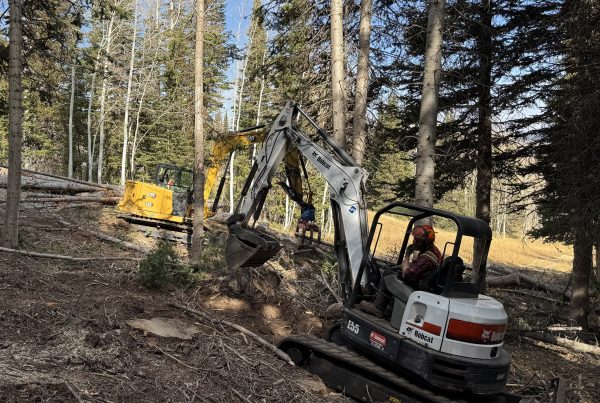
The most alarming aspect of accumulated dead timber is its role as readily available fuel for wildfires. Dry branches ignite quickly and burn with intense heat. In the rugged terrain of the Wasatch Mountains and the Uinta Mountains, a single spark can escalate into a massive inferno if the forest floor is littered with dry debris. Fire mitigation is not just a suggestion. It is an absolute necessity for survival. Creating a defensible space around your home involves systematically removing this dangerous fuel load. Canyon Cutters specializes in forestry applications for Fire Mitigation work needed throughout these critical mountain ranges.
When a fire encounters a property surrounded by dead trees, the flames can easily jump from the canopy to the roof of a house. This phenomenon is known as a crown fire. Crown fires are notoriously difficult to control and spread at astonishing speeds. By eliminating ladder fuels, which are lower branches that allow fire to climb into the upper canopy, property owners drastically reduce the chances of a crown fire developing. Proper land clearing techniques disrupt the continuous path of fuel.
Creating a Defensible Space
Establishing a defensible space requires a strategic approach to landscaping. It involves creating concentric zones of protection around your home. The immediate zone closest to the structure must be entirely free of combustible materials. The intermediate zone requires thinning trees and removing all deadwood. The outer zone focuses on broader forest health and reducing the overall density of the timber. Following the federal wildfire preparedness guidelines ensures that your property meets the highest safety standards for fire resistance.
Residents of Park City and Heber City face unique challenges due to the dense surrounding forests. The local climate conditions often create a perfect storm for fire danger during the dry summer months. High winds can carry embers for miles. If an ember lands on a pile of dry branches on your property, it can ignite instantly. Taking proactive steps to clean up your landscape is the best defense against this unpredictable threat. Canyon Cutters offers tailored Land Management plans to keep your property safe and compliant with local fire codes.
Protecting Ski in and Ski Out Properties
Challenges Near Park City Ski Resorts
Owning a home near the ski resorts of Park City is a dream for many outdoor enthusiasts. These properties offer unparalleled access to world class winter sports. However, they also come with distinct maintenance requirements. The very trees that provide privacy and a beautiful alpine setting can become significant liabilities if not properly managed. Heavy winter snow loads place immense pressure on tree branches. If a tree is already suffering from the accumulation of deadwood, the added weight of snow and ice will almost certainly cause structural failure.
Falling branches can damage expensive architecture, crush hot tubs, and block critical access roads. During the peak of winter, emergency response times may be delayed by weather conditions. Therefore, preventing accidents before they happen is paramount. Canyon Cutters puts a primary focus on homes and property located on and near these luxury resort areas. We understand the high standards expected by homeowners in these exclusive neighborhoods and provide discrete, professional service.
Maintaining Winter Access
For true mountain access, maintaining clear pathways is essential. Overgrown or dying vegetation can quickly obstruct private ski trails. A fallen branch hidden under fresh powder is a severe hazard for skiers and snowboarders. Regular maintenance is required to keep these routes safe and enjoyable. Canyon Cutters excels in Clearing Trails for Ski in and Ski Out access. Our team carefully removes hazardous limbs and debris without damaging the surrounding pristine environment.
We ensure that your property remains a winter paradise rather than a landscape of hidden dangers. Proper trail clearing also improves visibility and enhances the overall aesthetic appeal of the property. By managing the forest canopy, we allow more sunlight to reach the trails, which helps maintain excellent snow conditions and prevents the formation of dangerous ice patches. We invite you to secure your winter access by scheduling a consultation with our local experts today.
Biological Factors of Tree Decay
The Role of Fungi and Disease
To truly understand tree failure, one must look at the biological factors driving the decay. When a tree is injured by storms, lightning, or improper pruning cuts, the exposed wood becomes vulnerable to fungal infections. Wood decaying fungi digest the structural components of the tree. They break down the cellulose and lignin that give the tree its strength. This internal rot is often invisible from the outside. A tree may appear perfectly healthy with a full canopy of green leaves while its trunk is completely hollowed out by disease.
Certain species of fungi are highly aggressive and can kill a mature tree within a few years. Recognizing the fruiting bodies of these fungi, such as conks or mushrooms growing at the base of the trunk, is a clear warning sign of advanced decay. Researchers at the Utah State University Extension extensively study these local pathogens and provide vital information on disease identification. Property owners must be vigilant and look for these biological indicators. Ignoring a fungal infection guarantees eventual tree failure.
Bark Beetles and Invasive Insects
Insects play a massive role in tree mortality across Utah. Bark beetles are particularly devastating to pine and spruce populations. These tiny insects bore into the bark and lay their eggs in the nutrient rich cambium layer. As the larvae hatch and feed, they create winding galleries that cut off the flow of water and nutrients between the roots and the canopy. The tree slowly starves to death. Once a tree is infested and dies, it rapidly dries out and becomes a towering pillar of highly flammable deadwood.
Preventing pest infestations requires maintaining overall tree vigor. Healthy trees can produce sap to pitch out invading insects. Trees weakened by drought, soil compaction, or root damage are highly susceptible to attack. Maintaining proper soil moisture and avoiding mechanical damage to the trunk are critical preventative measures. When an infestation is discovered, swift action is required to remove the affected tree before the beetles can spread to neighboring healthy trees.
Professional Tree Pruning Strategies
The Importance of Crown Cleaning
Routine maintenance is the most effective way to prevent hazardous conditions. The foundation of good arboriculture is proper pruning. Crown cleaning involves the selective removal of dead, diseased, and broken branches from the canopy. This process immediately eliminates the most obvious risks and improves the overall appearance of the tree. By removing these decaying limbs, we also stop the spread of rot into the main trunk. Canyon Cutters offers expert Tree Pruning services designed to enhance the health and longevity of your landscape.
Pruning must be done with precision. Improper cuts can cause massive damage and invite the very diseases we are trying to prevent. Flush cuts, where the branch collar is removed, severely hinder the tree’s ability to heal. Leaving large stubs provides an entry point for pests and fungi. Our highly trained team understands the biology of trees and executes every cut according to industry best practices. We ensure the natural shape and beauty of the tree is preserved while maximizing safety.
Structural Thinning for Wind Resistance
Beyond removing dead limbs, structural thinning is vital for trees exposed to high winds. A dense canopy acts like a sail. During severe storms, the wind catches the dense foliage and puts immense stress on the root system and trunk. Thinning the canopy allows wind to pass cleanly through the branches. This significantly reduces the aerodynamic drag and lowers the risk of catastrophic uprooting or trunk failure.
Thinning also increases light penetration and air circulation throughout the inner canopy. Improved airflow dries out the foliage more quickly after rain, which reduces the ideal conditions for fungal diseases to take hold. Increased sunlight stimulates interior growth and creates a more robust, resilient tree structure. It is a delicate balance. Over pruning can cause severe stress and sunscald. Our arborist solutions are perfectly calibrated to deliver optimal results for the specific species found in Park City and Heber City.
Safe and Efficient Tree Removal
Evaluating When a Tree Must Go
Despite our best efforts to save trees, there are times when removal is the only safe option. A tree that is entirely dead, structurally compromised beyond repair, or located too close to a foundation must be taken down. Identifying these hazard trees requires a trained eye. We look for major cracks in the trunk, significant leans, extensive root rot, and large hollow cavities. When the structural integrity is lost, the tree becomes a ticking time bomb.
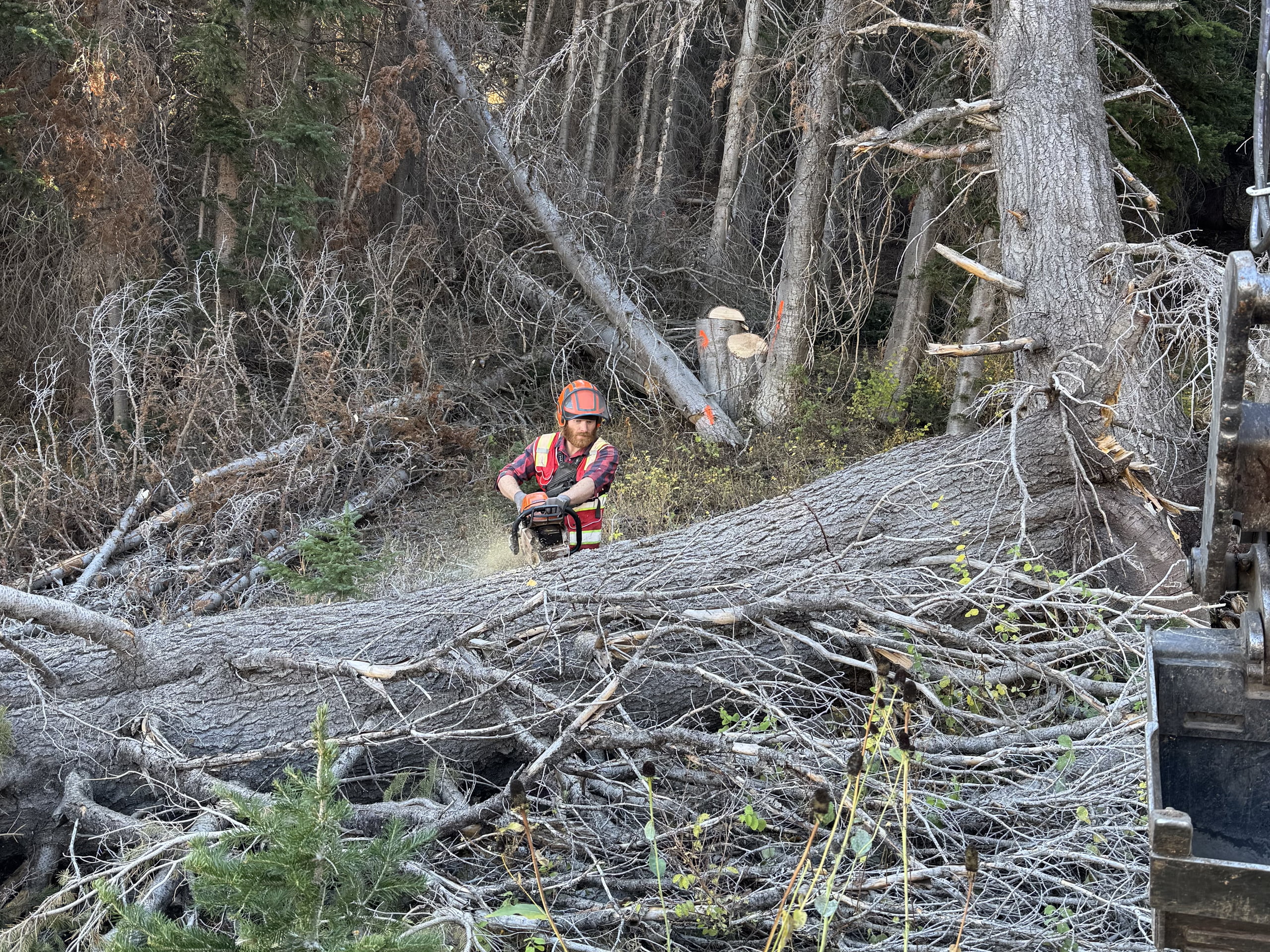
Removing a large tree in a residential area is a highly complex and dangerous operation. It requires specialized equipment, deep knowledge of physics, and rigorous safety protocols. Attempting a do it yourself removal can result in devastating property damage or fatal injuries. Canyon Cutters provides complete and secure Tree Removal services. We handle the entire process from the initial hazard assessment to the final cleanup, ensuring absolute safety for your home and family.
Advanced Rigging and Dismantling Techniques
In tight spaces, trees cannot simply be felled from the base. They must be carefully dismantled piece by piece. Our team utilizes advanced rigging techniques to safely lower heavy branches and trunk sections to the ground. Ropes, pulleys, and friction devices allow us to control the descent of massive pieces of wood, steering them away from roofs, fences, and delicate landscaping. This precision work is an art form that requires years of experience to master.
We take pride in our ability to execute complex removals with zero impact on the surrounding property. Whether the tree is leaning over a glass conservatory or wedged between two houses, we have the skills and equipment to handle the job safely. As a locally owned and operated business in Park City, Utah, we treat your property with the same care and respect as we would our own. Protect your valuable real estate by trusting the experts with your most challenging removal projects.
Wood Chipping and Dump Truck Hauling Logistics
The Efficiency of Onsite Wood Chipping
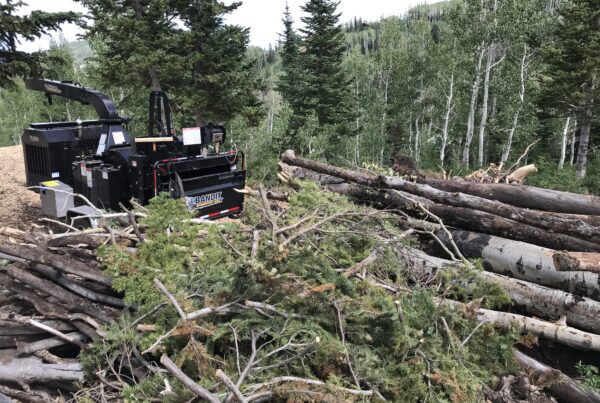
Once trees and brush are removed, a massive volume of raw material remains. Leaving this debris on site is unsightly and reintroduces fire hazards. Processing this material quickly is essential for a clean job site. Industrial wood chippers allow us to rapidly break down branches and small trunks into valuable mulch. This process drastically reduces the volume of the waste, making it much easier to handle and transport. Canyon Cutters utilizes high capacity machinery for efficient Wood Chipping on every project.
The resulting wood chips can be incredibly beneficial for your landscape. Mulch retains soil moisture, suppresses weed growth, and slowly adds nutrients back into the earth as it decomposes. Many of our clients choose to keep the chips for use in their garden beds or walking paths. This sustainable approach recycles organic matter directly back into the local ecosystem. It is an environmentally responsible way to handle the byproduct of necessary tree work.
Clearing the Site with Dump Truck Hauling
For massive logs and excess brush that cannot be chipped, heavy transport is required. We do not leave piles of unmanageable wood sitting on your driveway. Our fleet of heavy duty vehicles ensures that all debris is completely removed from the premises. Large scale land clearing operations generate tons of material that must be disposed of properly. Canyon Cutters offers dependable Dump Truck Hauling to efficiently export this massive volume of waste.
We partner with local recycling facilities and timber processors to ensure that the wood is repurposed whenever possible. Our logistical capabilities allow us to tackle the largest forestry projects in the Wasatch Mountains without delay. A clean, completely cleared site is the final step in resolving the deadwood hazard. You can trust our team to leave your property immaculate and ready for your next landscaping project.
Stump Grinding and Land Management Benefits
Eliminating Unsightly and Dangerous Stumps
The job is not truly finished until the stump is gone. Leaving a stump in the ground creates several ongoing problems. Stumps are significant tripping hazards, especially when hidden by tall grass or snow. They interfere with lawn mowing and landscaping plans. Furthermore, decaying stumps attract termites, carpenter ants, and other wood destroying insects. Once these pests establish a colony in the dead stump, they often migrate toward the healthy wood of your home. To permanently eliminate these risks, Canyon Cutters provides deep and thorough Stump Grinding services.
Our powerful grinding machines chew the stump and the immediate root flare down well below the soil surface. This process turns the hard wood into a mixture of soil and fine wood shavings. This mixture can be used to fill the resulting hole or spread as mulch. Grinding is vastly superior to digging or pulling stumps, which can severely damage surrounding root systems and underground utilities. It is the fastest, cleanest, and most effective way to reclaim your usable yard space.
Long Term Land Management Planning
Complete property care involves looking at the big picture. Resolving immediate hazards must be part of a broader strategy for landscape health. Proper land management evaluates soil conditions, species diversity, and water usage. By planning for the future, we ensure that your property remains robust and beautiful for decades. Taking a holistic approach prevents future problems and minimizes ongoing maintenance costs. We invite you to optimize your outdoor spaces by utilizing our long term land management expertise.
Our arborists work with clients in Park City and Heber City to develop customized management plans. We identify which trees need nurturing, which need pruning, and which areas require clearing to promote healthy new growth. This strategic oversight is especially important for large estates and commercial properties. Proactive management guarantees that your landscape remains a valuable asset rather than a growing liability.
Storm Cleanup and Landscape Rehabilitation
Rapid Response for Storm Cleanup
Mountain storms are fierce and unforgiving. Heavy snowfall, ice accumulation, and gale force winds frequently wreak havoc on the local tree canopy. Following a severe weather event, properties are often littered with broken branches and uprooted trees. This debris poses immediate safety risks and blocks essential access routes. Rapid response is critical to restore order and safety. Canyon Cutters is fully equipped to handle major Storm Cleanup operations across the region.
Our emergency crews prioritize the most dangerous situations first. We remove trees that have fallen on structures or vehicles and clear blocked driveways. Working in post storm conditions is exceptionally hazardous due to tangled branches and immense tension hidden within the fallen wood. Our professionals are trained to safely untangle these dangerous scenarios using specialized cutting techniques. We swiftly restore safety and normalcy to your property after the worst weather strikes.
Executing Property Rehabilitation
Once the immediate hazards are cleared, the focus shifts to recovery. Severe storms often leave the landscape looking devastated. Torn branches leave jagged wounds on the surviving trees, and heavy machinery used during cleanup can compact the soil. True recovery requires dedicated horticultural care. Canyon Cutters excels in complete Property Rehabilitation. We make corrective pruning cuts to help damaged trees heal properly and prevent future decay.
We also address soil compaction and structural damage to the landscape. Replanting appropriate, native species helps restore the aesthetic beauty and ecological balance of the property. Our goal is to leave your land healthier and more resilient than it was before the storm. By investing in proper rehabilitation, you ensure the long term vitality of your mountain retreat.
Erosion and Drainage Construction Solutions
Preventing Severe Soil Erosion
Mountain properties inherently deal with steep slopes and uneven terrain. When trees are removed, the root systems that previously anchored the soil slowly decay. This loss of structural support makes the hillside highly vulnerable to erosion. Heavy rains and rapid snowmelt can wash away massive amounts of topsoil, creating dangerous mudslides and undermining the foundations of homes and retaining walls. Stabilizing the soil is a critical component of property safety.
Managing water flow is the key to preventing erosion. We design and implement robust systems to capture and redirect runoff away from vulnerable areas. This often involves building physical barriers and contouring the land to manage the kinetic energy of falling water. Canyon Cutters provides expert Erosion and Drainage Construction Solutions tailored specifically for the rugged terrain of the Wasatch Mountains. We ensure your hillsides remain stable and secure.
Building Effective Drainage Systems
Poor drainage drowns tree roots and creates marshy, unusable land. Standing water also breeds mosquitoes and creates localized flooding issues. Installing French drains, swales, and proper grading ensures that water moves efficiently off the property without causing damage. The National Fire Protection Association, in its guidance on defensible space, also notes that proper grading and clearing help prevent the rapid spread of ground fires. You can review broader safety standards through the National Fire Protection Association to understand how water and land management intersect with fire safety.
Our construction solutions are built to last. We use high quality materials and proven engineering principles to construct drainage systems that can handle the massive volume of water produced during the spring runoff. Protecting your home’s foundation from water damage is just as important as protecting the roof from falling branches. Our complete arborist and land management solutions address every aspect of your property’s physical environment.
Winter Preparedness and Snow Removal
Managing Massive Winter Snow Loads
Park City is famous for its incredible snowfall. While this is fantastic for the local ski industry, it creates massive logistical headaches for property owners. Moving tons of snow requires heavy machinery and relentless effort. Driveways become impassable, and parking areas disappear entirely. Consistent, reliable service is required to maintain daily life in the mountains during the winter months. Canyon Cutters offers heavy duty Snow Removal to keep your property accessible and safe.
We utilize commercial grade plows, blowers, and loaders to clear even the largest accumulation. Our crews operate around the clock during major storms to ensure our clients are never snowed in. We carefully map out the property before the snow flies to identify curbs, landscaping features, and utilities to avoid causing any damage during the plowing process. Our meticulous attention to detail sets us apart from standard plowing services.
Preventing Dangerous Ice Accumulation
Snow is only half the battle. Melting snow often refreezes overnight, creating treacherous sheets of black ice on driveways and walkways. Slips and falls on ice are a leading cause of winter injuries. Proper ice management involves applying highly effective melting agents and providing traction materials to ensure safe footing. We proactively monitor weather conditions to treat surfaces before they become dangerously slick.
Managing ice also protects the physical infrastructure of your property. Expanding ice can destroy concrete driveways and retaining walls through the freeze thaw cycle. By keeping surfaces clear and dry, we extend the lifespan of your hardscaping. Our complete winter preparedness solutions guarantee that you can enjoy the beauty of the season without the stress of managing the harsh elements. Reach out to our local team today to secure your winter maintenance contract.
Frequently Asked Questions
What is the deadwood problem and why is it dangerous?
This issue occurs when a tree accumulates a large volume of dead or dying branches, or when an entire tree dies and remains standing. It is highly dangerous because the lifeless timber becomes extremely brittle and prone to snapping during high winds or heavy snowfall. This falling debris can cause catastrophic damage to homes, vehicles, and power lines. Additionally, dry timber acts as highly combustible fuel, drastically increasing the risk and severity of wildfires in mountain communities.
How does fire mitigation work in the Wasatch Mountains?
Fire mitigation involves the strategic removal of dense vegetation and lifeless timber to create a defensible space around a property. In the Wasatch Mountains, this means thinning out crowded timber stands, removing ladder fuels that allow fire to climb into the upper canopy, and clearing dry brush from the forest floor. By disrupting the continuous path of combustible material, we significantly slow the spread of wildfires and give firefighters a chance to defend the structures.
Why should I hire a professional for tree removal instead of doing it myself?
Taking down a large tree is an incredibly hazardous undertaking that requires deep knowledge of physics, advanced rigging techniques, and specialized heavy machinery. Professionals can accurately assess the structural integrity of the wood and predict how it will fall. Attempting a DIY project often results in fatal injuries or massive property damage. Professional arborists are fully insured and possess the skills necessary to safely dismantle dangerous trees in tight residential spaces without damaging the surrounding landscape.
What happens to the branches and timber after you cut down a tree?
We process the vast majority of the branches and smaller debris on site using industrial chippers. This turns the waste into valuable mulch that can be repurposed in your garden to retain moisture and suppress weeds. For massive logs and excess brush that cannot be processed efficiently on site, we utilize our heavy duty dump trucks to haul the material away entirely. We ensure that the work site is left completely clean and free of hazardous debris.
Do you provide services for homes directly on the ski resorts?
Yes. Our locally owned business puts a primary focus on homes and properties located on and near the ski resorts of Park City. We provide tailored solutions specifically designed for these high altitude environments. Our specialized offerings include clearing private trails for ski access, managing massive winter snow loads, and performing critical arborist work that protects expensive resort architecture from falling limbs and wind damage.