Loading…
Loading
 Douglas LivaUT-4717AJohn HillUT-383707AJesse GardnerUT-380938ARobert ValenciaUT-391234A
Loading
Forest Health & Species Care
August 21, 2026
The ecological cascade that's killing Wasatch aspen stands — from cavitation and Cytospora canker to poplar borer damage — plus the interventions that actually keep a clone alive.
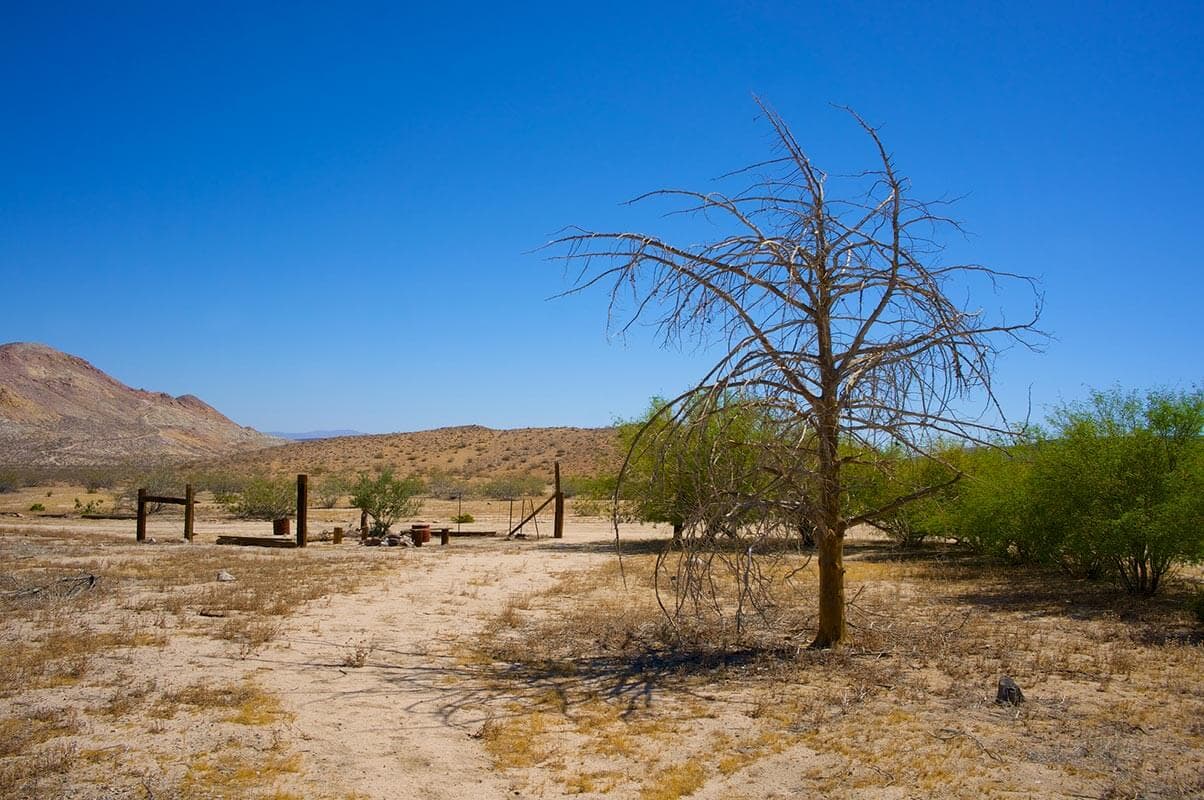
Drive Guardsman Pass in late July and you’ll see aspen stands that don’t look right. Groves with sparse crowns, dead standing stems mixed with living ones, whole ridgelines going pale weeks before fall color should start. That’s not drought stress in a single bad summer — it’s an ongoing collapse that foresters and ecologists have been documenting across the western U.S. since the early 2000s, and it has a name: Sudden Aspen Decline.
SAD hit its first major recognition after the 2000–2002 drought killed roughly 17% of Colorado’s aspen stands. Utah has been watching similar mortality play out through the 2010s and 2020s at the elevations that matter for Park City, Heber City, and the Uintas — roughly 6,500 to 9,500 feet, exactly where most local properties sit. If you have aspens on your land, some of them are probably in it right now. This guide walks through what SAD actually is, how to identify it before the trees you love are past saving, and what you can do about it — and about the ones you already lost.
SAD isn’t a single disease. It’s the shorthand for a cascadethat starts with a stress event (usually prolonged drought), damages the tree’s ability to move water (a phenomenon called cavitation, where columns of water in the xylem break), and then leaves the weakened tree open to a series of secondary attackers that finish it off. By the time you see the classic symptoms, you’re usually looking at the endgame — the actual mortal blow was struck years earlier.
The typical sequence in a Wasatch stand looks like this:
The critical thing to understand: SAD is a stand-scale collapse, not a per-tree disease.Aspens are clonal — the trees you see are usually genetically identical stems sprouting from a shared root system. When one stem dies, the roots are still alive and can produce new suckers. When the roots themselves die, the whole clone is finished. Managing SAD is less about saving individual trees and more about keeping the underground root system healthy enough to sucker regeneration into new stems.
Walk your aspens in mid-to-late July.That’s when SAD symptoms are most visible — the healthy trees are in peak green, so anything off-color stands out. Look for:
A healthy aspen crown is dense with leaves you can’t see through. A declining aspen crown lets sky through. In advanced decline, you’ll see only the outer twigs still leafy — the inner canopy is bare. Compare stem-to-stem in the same grove. One thinning stem is a warning; multiple stems thinning in the same clone means the whole clone is in trouble.
SAD kills from the top down. Look at the highest branches specifically — dead tips that never leafed out this year, or leafed out and then browned by mid-summer, are the classic sign. Bark on dead upper branches often turns dark and cracked while the lower trunk still looks healthy.
Aspens turn gold in September and October. That’s normal. If you’re seeing yellow or brown leaves in July or August, that’s decline. Same for premature leaf drop — if the tree is bare by early September, it stressed out early.
Cytosporacankers appear as sunken, darker patches on the smooth white bark, sometimes with small orange or black fruiting bodies visible inside the sunken area. They ring the trunk over years and eventually girdle the tree. Look at the lower six feet of each stem — that’s where cankers show up first.
Round exit holes about a quarter-inch across, often with fine sawdust or streaks of dark sap running below them. Poplar borer larvae tunnel for two to three years inside the trunk before emerging as adults. Their tunnels weaken the tree structurally and provide entry points for wood-decay fungi.
Look at the ground under the grove. A healthy aspen clone throws up knee-high suckers every spring. If you don’t see any — or you see them getting browsed off by elk and deer before they can establish — the clone can’t replace the stems it’s losing. That’s a stand-level red flag even if the mature stems still look okay.
Three things make northern Utah’s middle-elevation aspens especially vulnerable to SAD, and Canyon Cutters crews have watched all three intensify over the past decade:
The elevation band that’s hit hardest — 7,000 to 9,000 feet — is exactly where Park City, Deer Valley, and most of the surrounding developed neighborhoods sit. Which means: if you own property here and it has aspens, you have a decision to make.
SAD is a systemic ecological problem. No homeowner is going to “cure” it. But there are several things that meaningfully improve the odds for a specific grove on a specific property.
Aspens don’t need irrigation in a normal Wasatch summer. They need it in a bad one. A drip line at the edge of the grove (30–40 feet from the largest stems, at the outer root zone), running slowly for 4–6 hours once every 2–3 weeks in drought years, does more than any other single intervention to prevent the cavitation event that starts the whole cascade.
Do this in the two summers aftera severe drought too, while the clone is recovering. The damage isn’t all done in the drought year itself.
A grove that can’t regenerate is a grove that will eventually die out entirely. If you’re seeing suckers browsed off every year, fence them — even a temporary 5-foot fence around a section of the grove, held for 3–5 years, gives the suckers time to establish above browse height and become the next generation of stems. This is one of the few interventions with real, measurable, long-term benefit.
Standing dead aspens don’t come down neatly. They shatter and drop unpredictably, often onto whatever’s below them — cars, roofs, driveways, other trees. And heavily cankered stems can harbor the pathogens and insects that will move on to their neighbors.
Removal timing matters: winter is best, when the cankered wood is frozen (reducing pathogen spread during cutting) and the ground is firm enough to support equipment. The wood should be hauled off if cankered or borer-infested, or on-site chipped if healthy. Do not stack aspen firewood next to living aspens; poplar borer adults will find fresh-cut logs and move on to the closest living tree.
Aspens don’t love shade. If a grove is being shaded out by encroaching conifers (a common pattern in the mid-elevation Wasatch), selective thinning of the encroaching Douglas-fir or subalpine fir can open the canopy, increase soil moisture, and give the aspen clone room to recover. This is nuanced work — the wrong cuts expose the aspen bark to sun scald, which is its own problem — so it’s worth having an arborist walk the property before picking up a chainsaw.
Aspens don’t respond well to heavy pruning cuts, especially during summer. Every cut is an entry point for the same Cytosporathat’s working on the rest of the grove. Limit pruning to genuinely hazardous branches, do it in winter dormancy, and make clean cuts at the branch collar.
A lot of aspen problems get called “decline” when they’re actually something else. A few of the misdiagnoses Canyon Cutters crews correct most often:
Getting the diagnosis right matters because the treatment differs.
Aspens are the ecological glue of the middle-elevation Wasatch. Their loss changes wildlife habitat, understory diversity, snowpack retention, and yes — property values. Losing a grove hurts more than losing a lawn tree, because the grove was part of what made the property what it is.
The honest news is: some Wasatch groves are going to be lost. Clones that had already burned through their resilience by the early 2000s are running out of runway. The better news is: many others can be stabilized with the right interventions, and losing stands can often be renewed through active management — fence the suckers, water the survivors, remove the dead wood, and let the clone rebuild from the roots up. Aspens are extraordinarily resilient underground. What’s dying is the visible generation, not necessarily the whole organism.
Canyon Cutters walks a lot of Wasatch aspen groves every year — from single-clone yard groves in Old Ranch Road to multi-acre stands on private inholdings in the Uintas. If you want an honest read on what your grove is doing, what’s worth saving, and what needs to come down before the next storm, reach out through the contact page or call (201) 960-8275for a walkthrough. We’ll flag the standing dead, identify the cankered stems, assess sucker regeneration, and give you a written plan for the next 3–5 years of maintenance.
And if you’ve got conifers on the same property — which most Wasatch aspen sites do — that walk is also the time to check for the very different kind of trouble on the pine and spruce side. Our bark beetle field guide covers what to look for there.
Tags
Free Consultation
Tell us about your land and we'll set up a free on-site visit and walk it with you.
ISA Certified Arborist · Licensed & insured · Free, no-obligation estimates