Loading…
Loading
 Douglas LivaUT-4717AJohn HillUT-383707AJesse GardnerUT-380938ARobert ValenciaUT-391234A
Loading
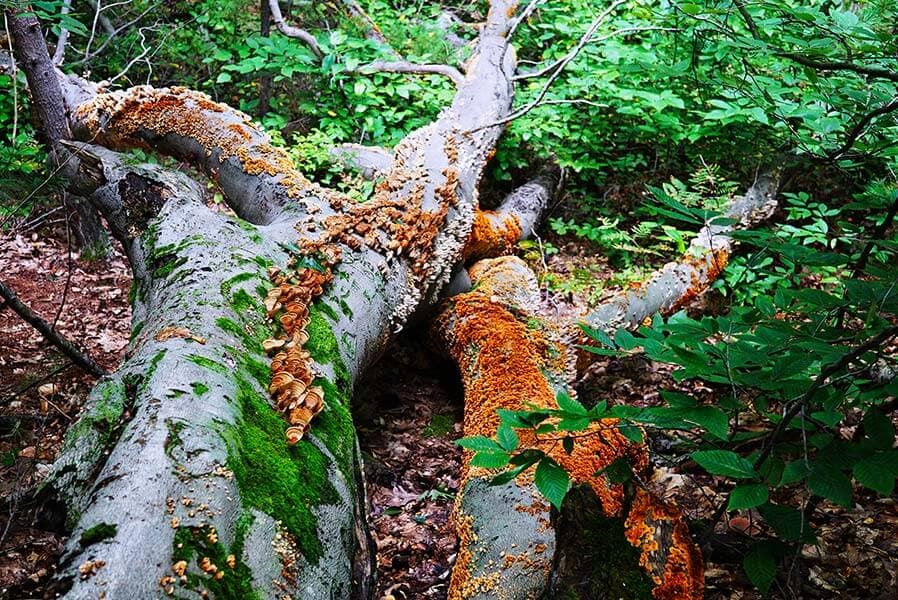
Drainage & Erosion Control
August 5, 2026
Steep alpine lots take a beating from spring runoff and summer downpours. What we build — retaining walls, French drains, redirects, revegetation — to keep water off the foundation and topsoil on the hill.
Mountain living brings incredible views, fresh air, and immediate access to world-class recreation. However, owning a property in a mountainous region also presents severe environmental challenges. Water management is one of the most critical aspects of maintaining a safe and beautiful mountain home. Heavy snowfall, rapid spring melting, and intense summer storms can easily wash away topsoil, flood basements, and destroy landscaping.
Proper land management requires extensive planning and expert execution. Canyon Cutters is locally owned and operated in Park City, Utah. The business puts a primary focus on homes and property located on and near the ski resorts of Park City. Providing a complete arborist solution for residents of Park City and Heber City, Utah, Canyon Cutters ensures that your land remains stable, healthy, and visually stunning year-round.
The force of water is unmatched in nature. When left to flow wildly across a property, water acts as a destructive agent. Sloped terrains, which are incredibly common around the ski resorts of Park City, accelerate the speed of water runoff. Fast-moving water carves deep trenches into the earth, strips away nutrient-rich topsoil, and destabilizes the foundations of homes.
Property degradation happens gradually and then all at once. Homeowners often do not notice the subtle signs of soil displacement until a massive storm causes a visible mudslide or severe pooling against the side of a house. Taking proactive steps to control the flow of water is essential for preserving the integrity of any mountain estate.
Seasonal extremes define the environment in the Wasatch and Uinta Mountains. Winters deliver hundreds of inches of snow. While this is perfect for the local ski resorts, it creates a massive reservoir of frozen water sitting directly on your property. When spring arrives, the rapid temperature shifts cause this snow to melt rapidly. The ground, often still frozen beneath the surface, cannot absorb the sudden influx of water.
Summer thunderstorms add another layer of complexity. The baked summer soil can become hydrophobic, meaning it actively repels water initially. When a heavy thunderstorm strikes, the water simply sheets off the surface, gathering speed and debris as it moves downhill. Therefore, having robust systems in place to catch, slow down, and redirect this runoff is incredibly important.
Topographical variations are the main reason properties near ski resorts face elevated risks. These homes are frequently built on steep inclines or directly at the base of massive drainage basins. Every drop of rain that falls on the mountain above your home eventually has to find a path downward. If your property stands in the way of this natural flow without adequate diversion systems, your land becomes the path of least resistance.
Development impacts also play a significant role. When roads, driveways, and large homes are built into the side of a mountain, the natural drainage pathways are permanently altered. The introduction of impermeable surfaces like asphalt and concrete means that water has fewer places to soak into the earth. Consequently, the volume of runoff increases dramatically, requiring engineered systems to prevent catastrophic property damage.
A customized approach is required for every single property. There is no single fix that works universally for mountain homes. The experts at Canyon Cutters evaluate the specific topography, soil composition, and existing vegetation on your land to design a highly effective water management plan. Below are some of the most reliable methods used to secure hillside properties and manage heavy water flow.
Subsurface water management is often just as important as controlling the water you can actually see. Ground saturation can cause massive retaining walls to fail and concrete foundations to crack under hydrostatic pressure. A French drain is a highly effective tool for dealing with subsurface water accumulation.
The anatomy of a French drain consists of a slightly sloped trench filled with washed gravel and a perforated pipe. The pipe is typically wrapped in commercial-grade landscape fabric to prevent fine sediment from clogging the system. As groundwater rises or surface water percolates into the soil, it encounters the gravel-filled trench. Because water always seeks the path of least resistance, it flows into the pipe and is safely channeled away from vulnerable structures.
Strategic placement is critical for French drains to work properly. They are frequently installed along the perimeter of home foundations, behind large retaining walls, and across large flat expanses of lawn that tend to become soggy during the spring melt.
Slope stabilization is a primary concern for any property built on a steep incline. Retaining walls are heavy-duty structures designed to hold back tons of soil and rock. By breaking a steep, continuous slope into a series of level steps or terraces, retaining walls fundamentally alter the way water interacts with your land.
Gravity walls and reinforced structures are the two main categories used in mountain landscaping. Natural stone, heavy timber, and engineered concrete blocks are frequently utilized to match the aesthetic of Park City homes. Behind every successful retaining wall is a massive amount of hidden drainage work. Without proper gravel backfill and weep holes to allow trapped water to escape, even the strongest retaining wall will eventually bulge and collapse under the weight of wet, expanding soil.
Terracing benefits go beyond simple structural support. Creating flat, usable spaces on a steep mountain property allows for beautiful garden beds, functional outdoor living areas, and safe walkways. Furthermore, flat terraces give rainwater the opportunity to soak into the soil rather than rushing violently downhill.
Directing surface water is the first line of defense against property damage. A swale is a broad, shallow ditch that is heavily vegetated. Unlike a hard concrete channel, a swale looks completely natural and blends seamlessly into the mountain landscape.
The function of a swale is to catch surface runoff, slow its velocity, and gently guide it toward a safe discharge point, such as a local storm sewer or a dedicated retention pond. Because swales are wide and shallow, they spread the water out over a larger surface area, encouraging percolation into the soil and filtering out pollutants.
Property grading involves using heavy machinery to physically alter the contours of your land. The absolute most important rule of grading is ensuring that the soil pitches away from your home's foundation. Even a slight negative grade can funnel thousands of gallons of water directly into your basement during a heavy storm. Canyon Cutters utilizes advanced equipment to expertly sculpt the land, ensuring that gravity works for you, rather than against you.
Managing hardscape runoff requires specialized hardware. Driveways, patios, and walkways generate massive amounts of fast-moving water because none of it can be absorbed. Catch basins are large underground boxes with grated tops installed at the lowest points of a property to collect this concentrated runoff.
Debris filtration is a major benefit of catch basins. The basin is designed so that the exit pipe is located several inches above the bottom of the box. This creates a trap where heavy sediment, leaves, and pine needles can settle out of the water before it enters the underground piping system. This prevents total system clogs that can be incredibly difficult and expensive to fix.
Channel drains act similarly but are designed for wide, flat areas. These are the long, linear grates you frequently see installed across the width of a steep driveway or surrounding a pool deck. They intercept water as it sheets across a hard surface and funnel it safely underground.
Armoring the soil is necessary when water is forced to flow rapidly through a specific channel. Riprap refers to large, angular rocks placed heavily along the banks of slopes or drainage channels. The rough, uneven edges of the rocks lock together, creating an impenetrable barrier that rushing water cannot easily wash away.
Aesthetic integration is a huge advantage of using stone. A dry creek bed functions as a heavy-duty drainage channel during a storm, but during dry weather, it simply looks like a beautiful, natural landscaping feature. By using varied sizes of local river rock and boulders, these channels perfectly mimic the appearance of a natural mountain stream.
Property care in the high elevations of Utah requires a diverse skill set. Canyon Cutters provides an extensive list of property services designed to work together harmoniously. Addressing land management, tree health, and water control simultaneously yields the best possible results for homeowners. The following is a detailed look at the services offered:
1. Wood Chipping: Fallen branches, removed trees, and cleared brush can quickly turn a beautiful property into an eyesore. Wood chipping is a highly efficient way to process this organic waste. Furthermore, the resulting wood chips can be repurposed directly on the property as a natural mulch. A thick layer of wood chips applied to exposed soil is an excellent, immediate tactic to reduce surface water velocity and protect the ground from direct rain impact.
2. Land Management: Maintaining acreage in the mountains requires constant vigilance. Land management includes assessing the overall health of the ecosystem on your property. This involves monitoring soil health, addressing invasive weed species, and ensuring that the natural water cycles remain uninterrupted by human development.
3. Tree Removal: Dead, dying, or dangerously leaning trees pose a massive threat to homes, power lines, and human life. Tree removal in confined residential areas requires expert rigging and climbing techniques. Removing hazardous trees protects your physical structures. However, it is vital to remember that removing a tree also removes a massive root system that was previously absorbing hundreds of gallons of water and holding the soil together. When a tree is removed, drainage solutions must often be updated to compensate for the lost natural infrastructure.
4. Dump Truck Hauling: Large-scale landscaping and land rehabilitation projects require moving massive amounts of material. Dump truck hauling ensures that heavy debris, massive boulders, and excavated dirt are quickly removed from your property. Additionally, it allows for the rapid delivery of the raw materials needed for drainage projects, such as tons of washed gravel, topsoil, and structural retaining wall stones.
5. Fire Mitigation: Wildfires are a devastating reality in the western United States. Canyon Cutters also specializes in Forestry applications for Fire Mitigation work needed in the Wasatch & Uinta Mountains. This involves creating defensible space around a home by strategically thinning dense timber stands, removing ladder fuels that allow fire to climb into the canopy, and clearing dead ground brush. The link between fire and water is crucial. When a wildfire burns through an area, it destroys the vegetation that holds the earth in place. Post-fire landscapes are incredibly susceptible to catastrophic mudslides. Proper fire mitigation not only stops fires but preserves the vital vegetation needed for land stability.
6. Tree Pruning: Regular tree pruning is essential for the health of your forest canopy. Removing dead or crossing branches allows sunlight and air to penetrate the interior of the tree, promoting vigorous growth. A healthy, fully foliated tree canopy acts as a massive umbrella during a rainstorm. The leaves and branches intercept raindrops, shattering them and significantly reducing the kinetic energy of the water before it hits the soil below.
7. Stump Grinding: Leaving a stump in the ground after a tree removal can lead to numerous problems. Stumps can attract destructive pests like carpenter ants and termites, which may eventually migrate to your home. Stump grinding utilizes specialized heavy machinery to completely obliterate the wooden stump well below the surface of the soil. This allows homeowners to reclaim the space for new planting, lawn expansion, or the installation of new subsurface water pipes.
8. Snow Removal: Living near the ski resorts of Park City guarantees heavy winter snowfall. Professional snow removal keeps your driveways, walkways, and access roads clear and safe throughout the winter. Where snow is piled during the removal process directly impacts spring runoff. Piling thousands of pounds of snow directly above a vulnerable retaining wall or right next to a home foundation guarantees flooding when temperatures rise. Strategic snow removal plans consider the eventual melting process to protect the property.
9. Clearing Trails for Ski in & Ski Out: Properties located directly on the slopes demand a unique type of maintenance. Clearing trails for ski in and ski out access enhances the luxury and convenience of your mountain home. This service involves carefully pruning back encroaching brush, removing dangerous obstacles, and smoothing the terrain to ensure a safe, enjoyable skiing experience directly from your back door.
10. Erosion / Drainage Construction Solutions: As detailed extensively above, this service is the backbone of property preservation. From installing heavy-duty catch basins to sculpting the earth with complex swale networks, these construction solutions ensure that your property is completely protected from the destructive forces of uncontrolled water.
11. Storm Cleanup: When severe weather strikes Park City, the aftermath can be overwhelming. High winds snap healthy trees in half, and torrential rains can cause localized flooding. Storm cleanup services provide rapid response to clear dangerous debris, remove fallen timber from structures, and stabilize areas that have suffered immediate washouts. Fast action after a storm prevents secondary damage from occurring.
12. Property Rehabilitation: Neglected properties or lots that have suffered severe environmental damage require a full reset. Property rehabilitation involves a combination of all the above services. It starts with clearing dead vegetation and debris, moves into structural soil grading and water management installation, and finishes with replanting and revitalizing the natural landscape.
Nature's engineering is highly efficient, and understanding it is key to effective land management. The relationship between soil mechanics and plant life dictates how successful any water management project will be.
Soil composition in Utah varies wildly, even on a single property. You may encounter heavy, dense clay, loose sandy loam, or solid bedrock within a few feet of each other. Clay soils are notoriously difficult for drainage. Clay particles are microscopic and pack tightly together, leaving very little room for water to pass through. When clay gets wet, it expands significantly and holds onto water for days or weeks. This causes water to pool on the surface and creates massive hydrostatic pressure against basement walls.
Sandy and rocky soils drain very quickly but are highly susceptible to being washed away entirely during a heavy storm because the particles do not bind tightly together. Assessing the exact soil type is the mandatory first step before designing a water diversion system.
The role of root systems cannot be overstated. Trees and large shrubs provide the biological glue that holds mountain properties together. A mature tree has a root system that extends far beyond the width of its branches. These roots dive deep into the earth, anchoring the top layers of soil to the more stable subsoil below.
Water absorption is another major benefit of healthy trees. A single large evergreen tree can absorb hundreds of gallons of water from the soil every single day during the growing season. By actively pulling moisture out of the ground, trees act as living, breathing water pumps that naturally lower the water table on your property and reduce the burden on your engineered drainage systems.
The danger of clear-cutting is severe. When a large section of vegetation is removed for new construction or view enhancement without a strategic plan, the biological glue is lost. The soil, now fully exposed to rain and lacking the structural support of roots, will immediately begin to slide downhill. This is why Canyon Cutters advocates for a balanced approach, combining necessary tree removal with immediate soil stabilization techniques and smart replanting strategies.
Professional execution is what separates a temporary fix from a permanent solution. The team at Canyon Cutters follows a rigorous, multi-step process to ensure that every project is executed flawlessly.
Visual inspection is where everything begins. Experts walk the entire property, looking for the telltale signs of water damage. They look for deep ruts in the soil, exposed tree roots, foundation cracks, and areas of the lawn that remain spongy long after a rainstorm has passed.
Mapping the topography is critical. Using advanced tools, the team determines the exact pitch and grade of the land. They identify the high points where water originates and the low points where it naturally wants to collect. They also analyze the neighboring properties, as water flowing onto your land from an uphill neighbor is a frequent issue in mountain communities.
Creating the blueprint involves selecting the right combination of services. If the problem is purely surface runoff from a steep driveway, a series of channel drains and a large catch basin might be prescribed. If the issue is a soggy, failing hillside, the design might include terracing with retaining walls, backed by extensive French drains, and heavily planted with deep-rooted native shrubs.
Sizing the system correctly is incredibly important. A drain pipe that is too small will quickly become overwhelmed during a major Park City thunderstorm, rendering the entire system useless. The engineering phase calculates the maximum potential water volume and specifies materials designed to handle that peak flow with room to spare.
Heavy machinery operation requires immense skill, especially on steep, unforgiving mountain terrain. Canyon Cutters utilizes specialized equipment to trench, grade, and move heavy materials safely.
Material quality is never compromised. Only commercial-grade landscape fabrics, heavy-duty PVC piping, and structurally sound stone are used. Every joint in the pipe network is securely fastened, and exact grading pitches are maintained using laser levels. Even a one-degree error in the slope of a drainage pipe can cause water to pool internally and clog the system with sediment over time.
Hiding the infrastructure is the mark of a truly professional job. Once the heavy underground work is completed, the focus shifts to aesthetics. Trenches are carefully backfilled, soil is compacted to prevent future settling, and the surface is restored.
Replanting and mulching complete the process. If a swale was created, it is seeded with native grasses and covered with erosion control blankets to hold the seed in place until it germinates. By the time the project is fully completed, the massive underground water control network should be entirely invisible to the casual observer.
Preserving the local ecosystem is a responsibility shared by all mountain residents. The Wasatch and Uinta Mountains boast pristine rivers, streams, and alpine lakes. When soil washes off a residential property, it does not just disappear. It flows down the mountain, carrying with it fertilizers, vehicle oils, and fine sediment directly into local waterways.
Protecting aquatic life requires stopping this dirty runoff. High sediment loads in rivers smother fish spawning beds and block the sunlight aquatic plants need to survive. By controlling the water on your own property and filtering it through swales and proper catchment systems, you are actively participating in the conservation of the greater Park City environment.
A secure foundation is the most valuable asset a home possesses. When potential buyers look at luxury mountain real estate, extensive home inspections are standard. If an inspector finds a damp basement, a failing retaining wall, or evidence of significant soil displacement, the value of the home plummets immediately. In many cases, buyers will completely walk away from a deal rather than take on a water mitigation nightmare.
Turnkey outdoor spaces command premium prices. A steep, unusable, muddy hillside is a liability. By investing in terracing, retaining walls, and dry creek beds, you transform a liability into a stunning, functional asset. Beautifully managed land, complete with healthy, professionally pruned trees and flawless water management, significantly elevates the curb appeal and market value of your property.
Reactive repairs are always exponentially more expensive than proactive solutions. Waiting until a basement floods to address a grading issue means you are now paying for water extraction, mold remediation, drywall replacement, flooring replacement, AND the exterior drainage work that should have been done in the first place.
Insurance limitations are a harsh reality for many homeowners. Most standard homeowners insurance policies do not cover damage caused by "earth movement" or "surface water flooding." If a mudslide caused by poor drainage crashes into your living room, the financial burden will likely fall entirely on your shoulders. Investing in professional solutions from Canyon Cutters is a highly effective insurance policy against devastating out-of-pocket expenses.
A functioning system requires regular checkups. Even the most robust, perfectly engineered water diversion system needs occasional maintenance to ensure it continues to operate at peak efficiency year after year.
Spring inspections are the most important. After the snow melts, you must walk your property and inspect all the components. Ensure that the grates on all catch basins are completely clear of winter debris, pine needles, and dead leaves. Check the discharge points of all underground pipes to ensure water is flowing freely and that animals have not built nests inside the pipe openings.
Summer vegetation management involves keeping an eye on the plants growing near your drainage networks. While roots are great for soil stability, aggressive tree roots can actively seek out the moisture inside a French drain pipe, eventually crushing or clogging it. Canyon Cutters can provide the necessary arborist oversight to ensure trees are thriving without threatening your underground infrastructure.
Autumn preparations require clearing all fallen leaves from swales, gutters, and surface drains. A single thick layer of wet autumn leaves can completely blind a grated drain, forcing water to bypass the system entirely just as the freezing winter weather is about to arrive.
Local knowledge is an irreplaceable asset. National landscaping chains or out-of-town contractors simply do not understand the highly specific nuances of the soil, weather patterns, and municipal regulations in Park City and Heber City.
Canyon Cutters has built a reputation on reliability, deep local expertise, and a genuine passion for preserving the beauty of the Utah mountains. By offering a true all-inclusive suite of services, from fire mitigation high in the Uintas to precise stump grinding in a Park City backyard, they provide a level of cohesive property care that is unmatched in the region.
Protecting your slice of the mountains requires taking action before the next massive storm hits. Whether you are dealing with a constantly muddy driveway, a terrifyingly steep backyard, or overgrown timber that poses a fire and stability risk, the solutions are available.
1. What exactly are erosion and drainage construction solutions? These solutions encompass a variety of engineered methods used to control the flow of water and hold soil in place. This includes installing French drains to handle subsurface water, building retaining walls to stabilize slopes, grading the land to direct surface runoff away from structures, and utilizing organic methods like deep-rooted planting and wood chip mulching to secure the topsoil.
2. How do I know if my Park City property needs a new drainage system? There are several clear warning signs to look out for. If you notice water pooling in your yard hours after a rainstorm, mud or sediment washing across your driveway, deep trenches forming in your mulch beds, cracks developing in your foundation, or a persistent musty smell in your basement, you likely have a significant water management issue that requires immediate professional evaluation.
3. Can tree removal impact the drainage on my property? Yes, tree removal has a massive impact on land stability. A large tree acts as a biological water pump, absorbing hundreds of gallons of water daily, while its root system physically anchors the earth. When a tree is removed, the soil instantly loses this structural support and water absorption capacity. It is highly recommended to consult with experts who can address both the tree removal and the subsequent need for updated soil stabilization.
4. Why are homes located near ski resorts more vulnerable to water damage? Homes near ski resorts are typically built into the side of the mountain or at the base of large drainage basins. They are subjected to the cumulative runoff of the entire mountain above them. Furthermore, the massive amounts of snowfall these areas receive lead to rapid, high-volume runoff during the spring melt, placing immense stress on the natural and engineered water pathways surrounding the property.
5. What is the connection between fire mitigation and erosion control? Fire mitigation and land stability are deeply connected. Wildfires destroy the vegetation and root systems that hold the mountain soil in place. After a fire, the exposed, weakened soil is highly prone to massive, devastating mudslides during the next heavy rain. By proactively managing forest fuels through proper fire mitigation techniques, you protect the living root systems that are essential for long-term erosion prevention.
Taking control of your land is the ultimate responsibility of any mountain property owner. The sheer power of water moving down a sloped terrain can cause irreversible damage in a matter of hours if proper precautions are not taken. Implementing robust water management systems is not just an aesthetic upgrade; it is a critical structural necessity.
From the initial site assessment to the final grading, every step of the process requires precision, heavy machinery, and deep environmental knowledge. By integrating complete arborist services, fire mitigation, and heavy-duty property rehabilitation, homeowners can ensure their estates remain safe and stunning. Canyon Cutters stands ready to provide the residents of Park City and Heber City with the specialized, localized expertise needed to conquer the unique challenges of the Wasatch and Uinta Mountains. Protect your investment, secure your foundation, and enjoy the peace of mind that comes from a perfectly managed mountain property.
Tags
Free Consultation
Tell us about your land and we'll set up a free on-site visit and walk it with you.
ISA Certified Arborist · Licensed & insured · Free, no-obligation estimates